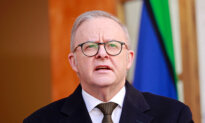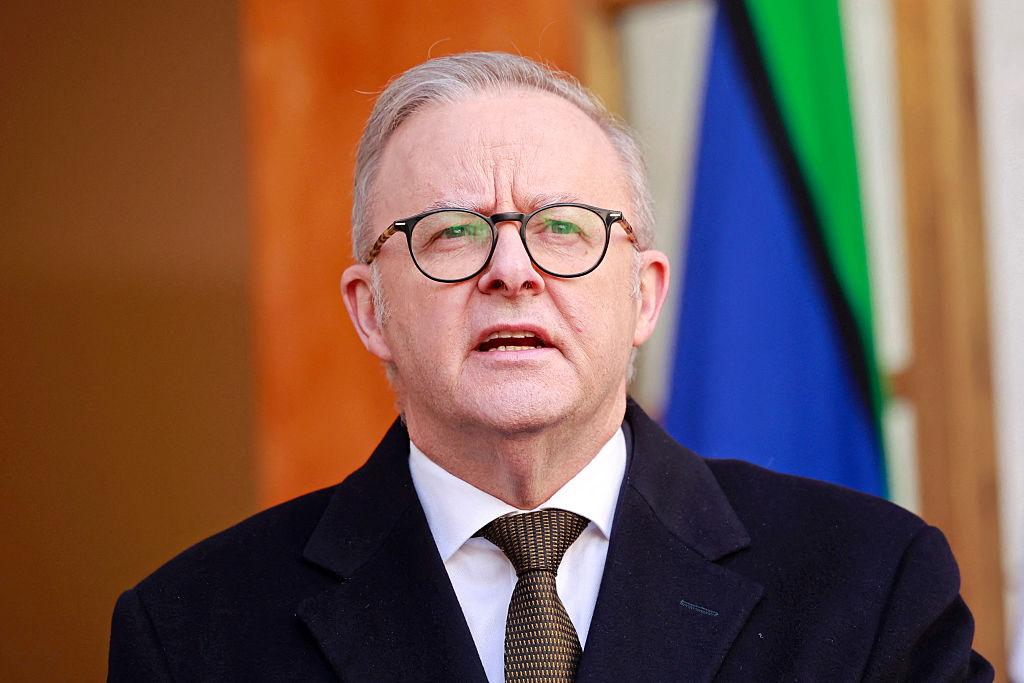

Prime Minister Anthony Albanese joined world leaders in a virtual meeting overnight to discuss Ukraine’s negotiations aimed at ending Russia’s invasion.
Posting on X, Albanese confirmed he took part in the call with British Prime Minister Keir Starmer and French President Emmanuel Macron, as part of the “Coalition of the Willing”—a group of nations committed to supporting Ukraine.
“Overnight, I joined a meeting of the Coalition of the Willing convened by @Keir_Starmer and @EmmanuelMacron, alongside President @Zelenskyy_Ua and other democratic leaders,” Albanese wrote.
“Australia remains committed to supporting Ukraine and it was an opportunity to discuss next steps in achieving a just and enduring peace,” he added.
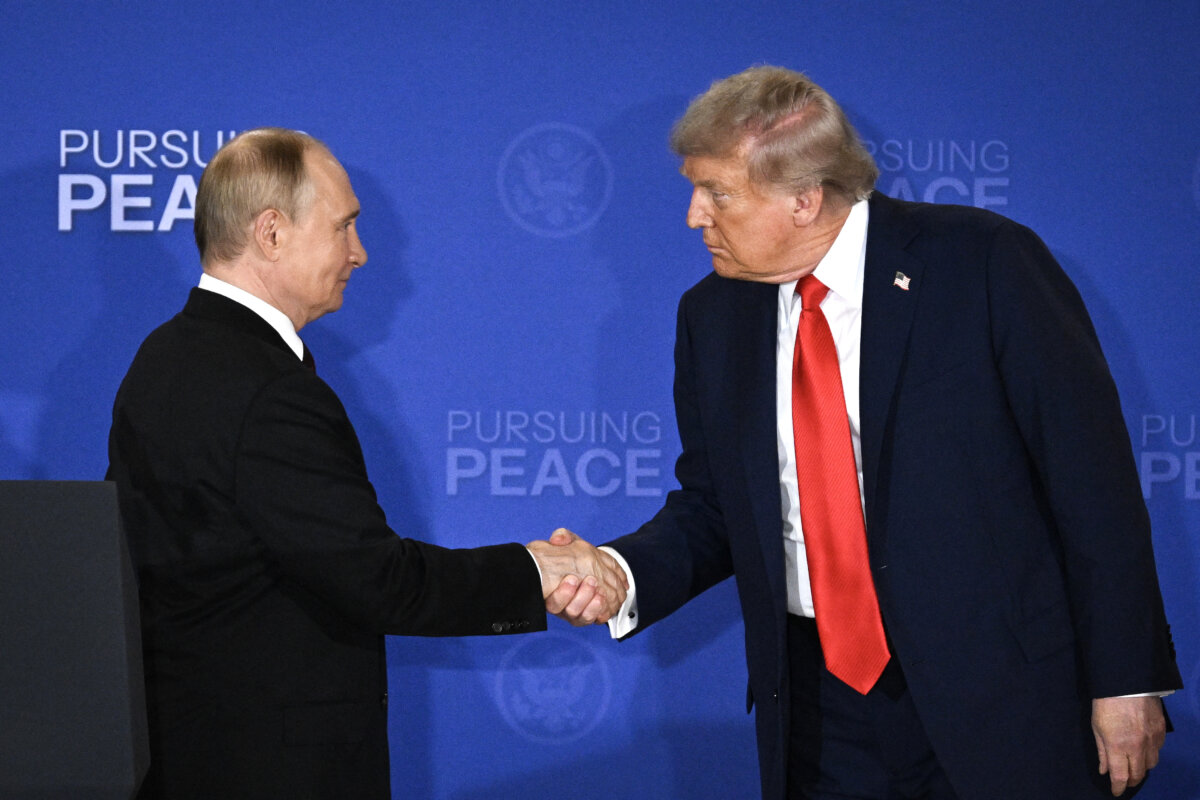
The talks followed U.S. President Donald Trump’s summit with Vladimir Putin in Alaska, which, despite expectations, wasn’t able to deliver on an immediate deal.
Macron and Starmer Reaffirm Support
In a joint statement after the meeting, Macron and Starmer said leaders had reiterated their commitment to Ukraine and welcomed President Volodymyr Zelenskyy’s determination to seek a just and lasting peace.
“The leaders also commended President Trump’s commitment to providing security guarantees to Ukraine, in which the Coalition of the Willing will play a vital role through the Multinational Force Ukraine, among other measures,” the statement read.
They confirmed readiness to deploy a reassurance force once hostilities cease, and to assist in securing Ukraine’s skies and seas as well as rebuilding its armed forces.
European leaders are expected to accompany Zelenskyy to the White House this week for further talks with Trump.
Back home, Liberal Senator Dave Sharma supported Albanese’s participation.
“We welcome Australia’s involvement and the prime minister’s involvement in this call,” he told Sky News.
However, Sharma added it was too soon to judge the outcomes.
“No ceasefire deal was reached, no land swap agreements were reached, which I think was important, but we need to really see how this plays out from here,” he said.
Australia’s Sanctions Against Russia
Australia has imposed more than 1,400 sanctions since Russia launched its full-scale invasion of Ukraine.
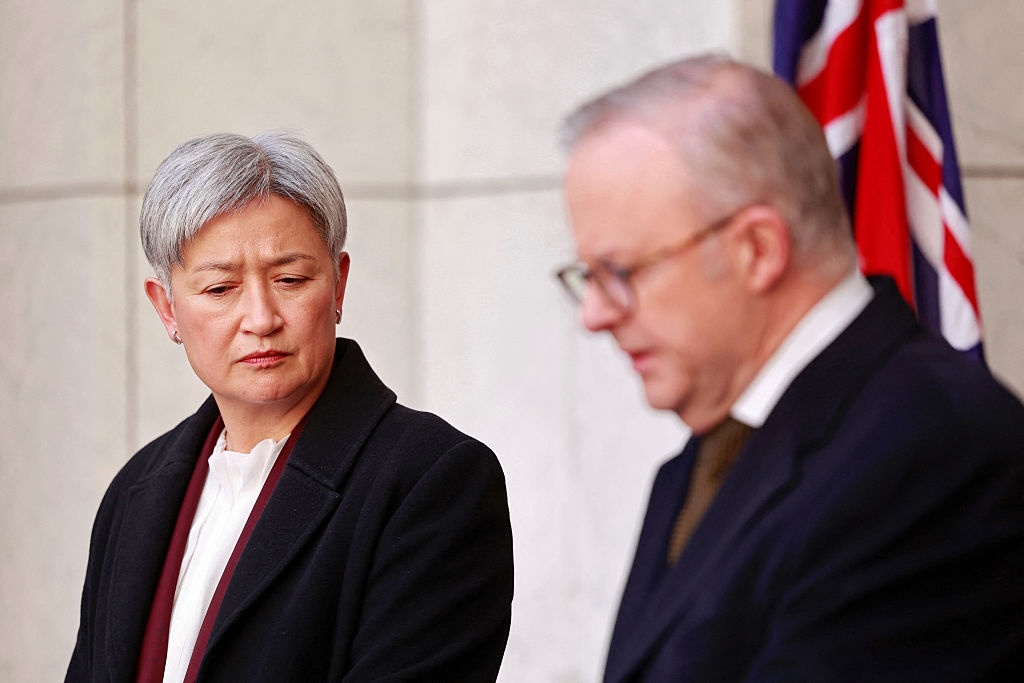
Foreign Minister Penny Wong said these measures remain an important part of the response.
“We will continue to take coordinated and decisive action to protect Ukraine’s sovereignty and territorial integrity, and disrupt Russia’s ability to fund its aggression,” Wong said in an earlier statement.
In June, the government sanctioned 60 vessels linked to Russia’s so-called shadow fleet—the first time Australia has acted against this network.
Authorities said the vessels are used to bypass sanctions and sustain the war effort by transporting Russian oil and goods through deceptive practices such as flag-hopping, disabling tracking systems, and operating without proper insurance.
Australia’s move aligned with partners including Canada, the United Kingdom and the European Union, with the aim of starving Russia’s war economy of oil revenues.
 Friends Read Free
Copy
Facebook
Tweet
Friends Read Free
Copy
Facebook
Tweet