Alberta is planning legislation to restrict access to euthanasia and to press ahead with the creation of a new provincial police force.
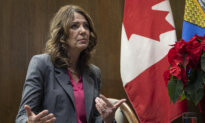
As the Legislative Assembly of Alberta reconvened on Feb. 24, government House Leader Joseph Schow said the province will tighten rules for medical assistance in dying (MAID) aiming to better protect vulnerable residents.
The government is also moving to expand staffing for its forthcoming Alberta Sheriffs Police Service, making it easier for current Alberta Sheriffs peace officers to transition into police roles.
Schow noted these measures are among 18 bills planned for the legislative session, which runs until May.
MAID Rules
MAID is currently available in Canada to adults capable of informed consent who are suffering from a “grievous and irremediable” medical condition, whether the condition is terminal or not. Ottawa’s planned expansion to permit MAID for those whose sole underlying cause is mental illness is currently paused until next year.
Schow said the province plans to ban MAID for mature minors, those whose only underlying condition is mental illness, those making an advance request for MAID in the future, and adults without the capacity to make independent health-care decisions.
Mature minors are individuals under 18 who are legally deemed capable of understanding and making their own medical treatment decisions.
Most of the items mentioned by Schow are already barred at the federal level. However, Alberta is seeking to make those limits explicit under provincial law and prevent MAID rules from being expanded or changed in the future.
Schow said the Alberta government will also propose enhanced oversight and regulation of MAID, including all medical professionals involved in referring, assessing, or performing MAID.
Provincial Police Force
Schow said the government is moving forward with legislation to expand the new provincial police service, the Alberta Sheriffs Police Service (ASPS).
The province’s Public Safety Minister Mike Ellis tabled legislation toward that end on Feb. 24, which would allow the government to move 1,200 Alberta sheriff employees and their budget to the new ASPS Crown corporation.
The new police force could eventually take over local policing, or work alongside RCMP, in municipalities that choose to opt in, according to the legislation. Most Alberta municipalities currently rely on the RCMP for the bulk of their policing needs.
“The implementation of the ASPS creates more policing solutions and options for municipalities in Alberta,” Schow told reporters Feb. 24.
Other Bills
Alberta also plans to table its 2026 budget on Feb. 26. Premier Danielle Smith has said the budget will include a multi-billion dollar deficit, partly due to lower-than-expected oil and gas prices that have reduced resource revenues in the province.
Alberta had an $8.3 billion budget surplus in the 2023-2024 fiscal year but has said it expects to face a shortfall of about $6.4 billion on this year’s budget.
Schow said the deficit is not expected to lessen key services provided by the provincial government.
“Budgets are always tough, especially when you have depressed oil prices. But it doesn’t mean that we can’t walk and chew gum at the same time,” he said.
The budget is expected to include a sizeable increase in health-care spending, including a 22 percent pay increase for doctors.
Alberta’s Opposition NDP has criticized the UCP government over delays in putting in place more emergency room triage physicians after the death last month of a patient who waited hours for care in Edmonton.
Opposition Leader Naheed Nenshi said the government is trying to shift blame for what happened and had “invented the jobs on the back of a napkin.”
The province’s Hospitals Minister Matt Jones said Alberta has earmarked $20 million for the new hires and had promised they would be on the job by Feb. 1; however, as of Feb. 24, the positions have not yet been filled. Jones said implementation has been delayed by negotiations with the Alberta Medical Association.
Immigration policy is also set to be a key part of this session of the Alberta legislature, with Schow saying the province wants to “give greater control to the province over immigration and protect newcomers from bad actors in the immigration system.”
“It has become clear the federal government has lost control over immigration,” Schow said.
In a Feb. 19 televised address, Smith said Alberta will hold a referendum on Oct. 19 that asks Albertans if they agree with limiting which migrants are approved for provincially funded programs, including health care and education.
The referendum will also ask if Albertans agree to abolish the Senate and whether provinces should select justices for provincial courts of King’s Bench and appeals courts instead of Ottawa.
 Friends Read Free
Copy
Facebook
Tweet
Friends Read Free
Copy
Facebook
Tweet