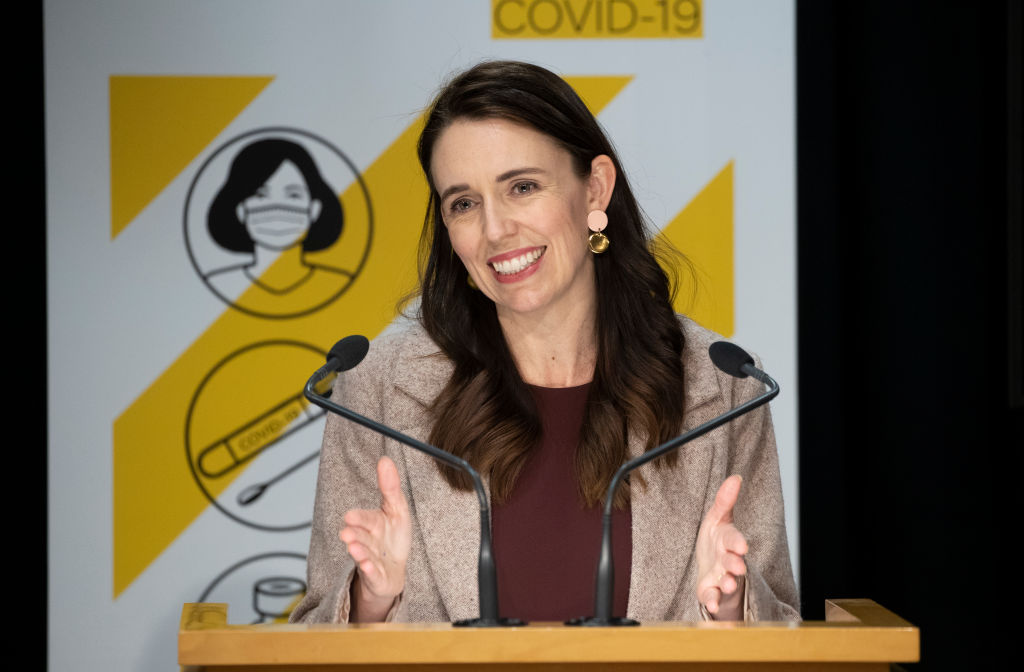

Former New Zealand Prime Minister Jacinda Ardern, whose “go early, go hard” response to the pandemic drew international acclaim, is set to testify before the country’s Royal Commission into COVID-19, likely reigniting debate over her government’s handling of the crisis.
Her global message of “be kind” was held up as an example early in the pandemic, earning support in both New Zealand and abroad.
However, harsh lockdowns and strict border policies, which initially prevented citizens from returning and later allowed re-entry only via a lottery-like system due to limited capacity, sparked widespread backlash.
Protests culminated in a 23-day occupation of Parliament grounds, ending in a forced removal by police.
Recently, well-known New Zealand tech entrepreneur Ian Taylor wrote her an “open letter” in which he captured the shift, and the ambivalence that remains.
He started by acknowledging that as New Zealand emerged virtually unscathed from the first lockdown, it was “the envy of the world … I was inundated with messages from international colleagues asking if they could have ‘Jacinda’ come take care of them.”
“My response was always one of pride,” he wrote.
“But as time passed, the reality began to fray around the edges. The PR slogans ‘be kind’ and ‘we’re all in this together’ felt increasingly hollow as divisions deepened and the promises faded into spin.”
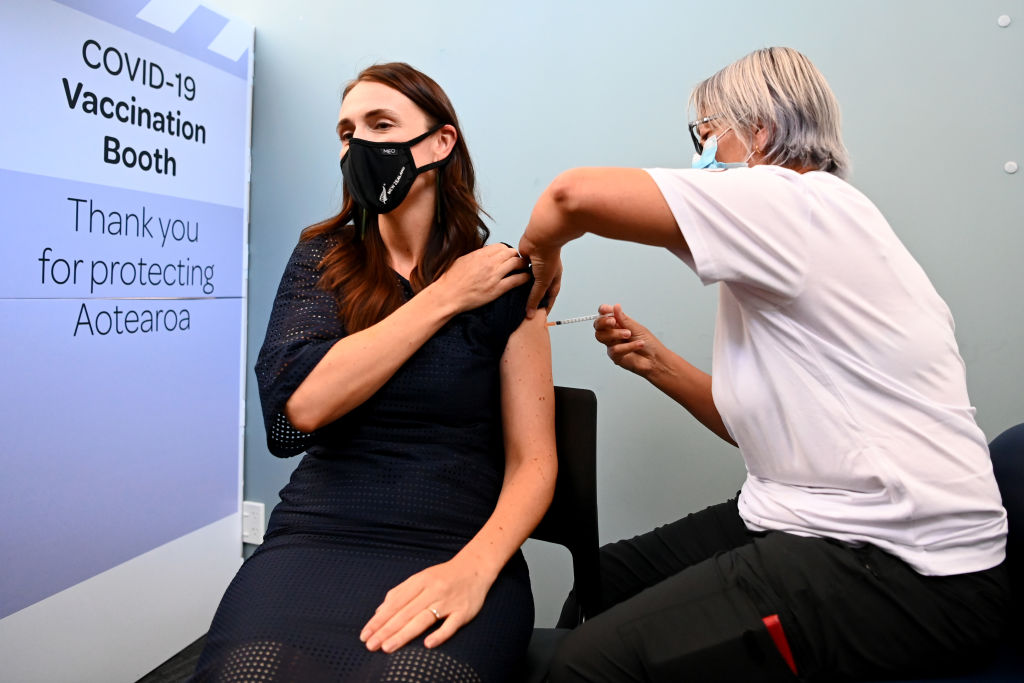
Ardern is likely to respond to questions about her decisions around lockdown, quarantine, and mandates sometime in August.
In the meantime, the second phase of the inquiry began this week with submissions from health sector organisations and professionals, community groups, and critics of mandates. The hearings are being livestreamed.
On July 9, commissioners heard from groups particularly hard-hit by the government’s measures, such as those with disabilities.
‘They Still Won’t Come Out’
Barry de Geest, a thalidomide survivor, told the inquiry that many disabled individuals remain fearful of leaving their homes due to anxiety from government messaging and media coverage during the pandemic.
“They still won’t come out into the community because they’re just terrified of what could happen,” he said.
De Geest highlighted discrimination faced by disabled people exempt from wearing masks.
“The number of people we had crying because … they were being abused by people saying ‘put your mask on,’ ‘think of us,’ there was so much of that,” he said.
He added that the longer the lockdowns were imposed, the more isolated disabled people felt.
“No thought was given to the social side of how people were supported,” he said.
“It was more about having borders and checkpoints and stuff, rather than saying, ‘How can we entertain people because they can’t go to the movies, they can’t go out for dinner?’ That has impacted people considerably.”
An international group of social science researchers, the CARUL Collective, told the inquiry that lockdowns contradicted the government’s “be kind” messaging.
Researcher Nick Long described lockdowns as overly simplistic.
“It’s important to have clarity, but clarity doesn’t need to translate into a blunt, one-size-fits-all approach,” he said.
His colleague Antje Deckert said the government’s encouragement of people to report others breaking COVID rules was “highly ineffective” because “not one of our research participants said that peer-to-peer policing had spurred them into obeying COVID-19 restrictions.”
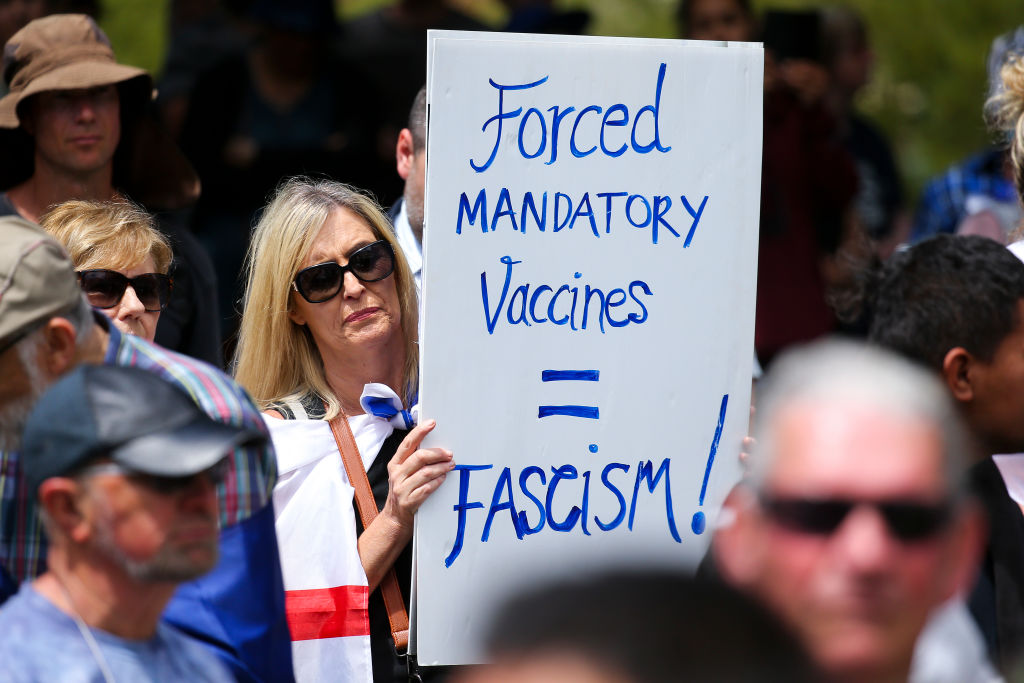
That attitude was echoed in the submission of the Northland Chamber of Commerce, which said that a cooperative approach would have worked better than mandates in convincing people to get vaccinated.
Its president, Tim Robinson, told the Royal Commission that, rather than the “authoritarian” mandate path, it would have been more effective to engage with health providers to discuss the vaccine with Northland communities and businesses.
“Anybody that I dealt with or worked with during that whole period said, ‘Look, I’ve got a much better chance of convincing somebody that vaccination’s a good idea if there’s no threat attached to it,'” he said.
Earlier in the week, the Employers and Manufacturers Association (EMA) said that vaccine mandates had caused legal confusion for businesses.
“You’ve got conditions of employment, [and] running in parallel to that, you’ve got the Bill of Rights, so people have the right to say yes or no to treatment, and treatment includes injections,” EMA employment relations and safety manager Paul Jarvie told the inquiry.
“Those businesses that were mandated to have vaccines, that immediately create employment law issues. If someone doesn’t get [vaccinated], what do you do with them?” he asked.
The CEO of Auckland’s Heart of the City, Viv Beck, said that despite contactless deliveries being allowed, businesses experienced a 95 percent drop in sales during the level four lockdowns, and many are still trading at levels lower than they were before the pandemic. Wage subsidies paid at the time had helped, but didn’t cover other operating costs and rent.
She also pointed out that being given information was different from being able to participate in decision-making.
“We were actually getting asked about a decision about to be made, often at the last minute, but that’s the point, if it happens from the start, businesses have to be a trusted voice in decision making,” she said.
 Friends Read Free
Copy
Facebook
Tweet
Friends Read Free
Copy
Facebook
Tweet