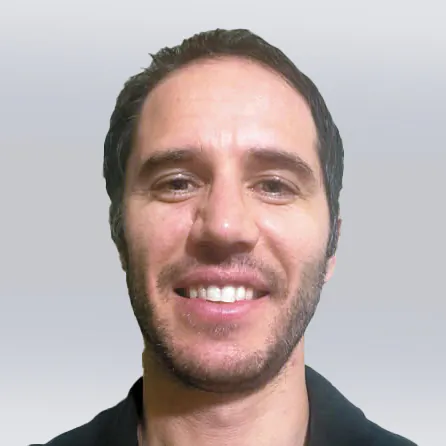
Libertarian MP David Limbrick says he will oppose Victoria’s proposed state-based Indigenous Voice, concerned at the cost taxpayers will bear.
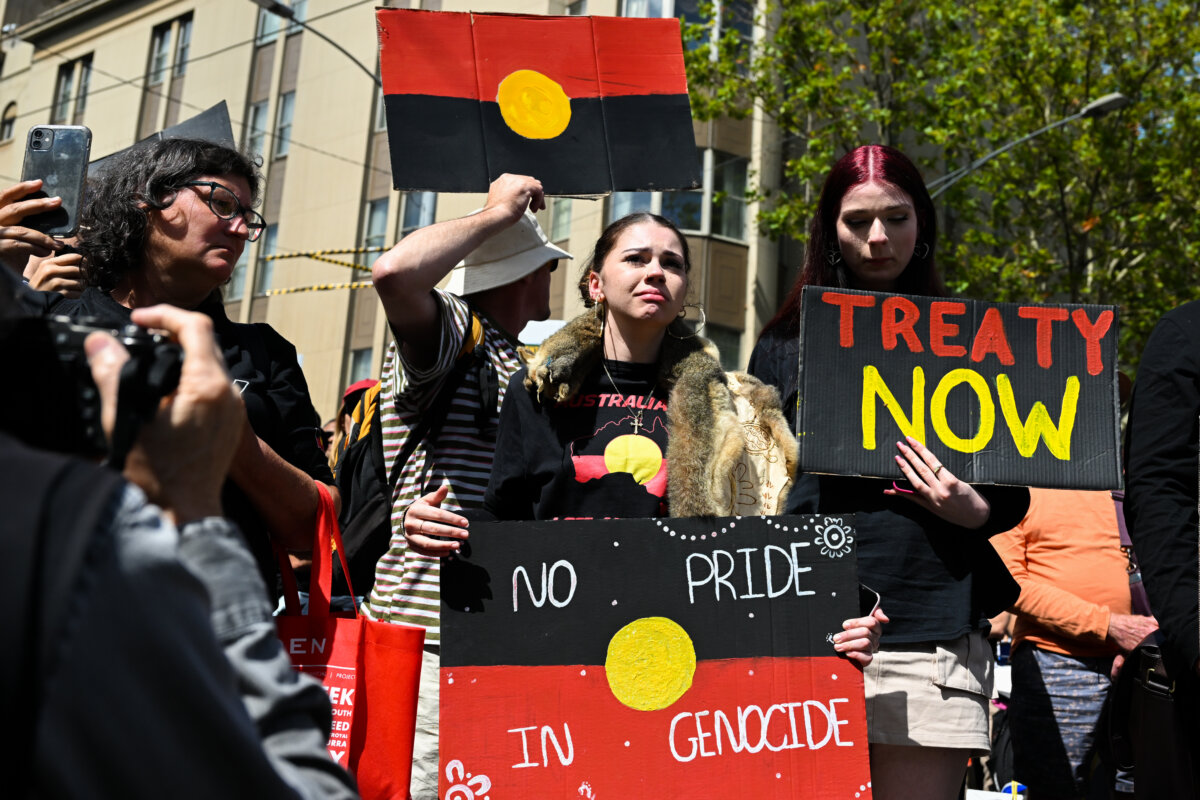
The upper house MP’s comments come after Labor revealed its Statewide Treaty Bill, which aims to embed a “Voice” that will act as an advisory body to the parliament.
The Voice formalises the existing First Peoples’ Assembly and will receive the power to “make decisions and rules about specific matters that directly impact” Indigenous people, it will also oversee implementation of the official “Treaty.”
A Treaty in this context refers to an agreement between a government and Aboriginal and Torres Strait Islander peoples that acknowledges their distinct political status, and looks to address this through any number of measures including reparations, education initiatives, or official recognition.
Yet Limbrick questioned where additional funding for these initiatives would come from.
“All this stuff that’s being talked about is going to cost huge amounts of money, and we don’t know where it’s going to come from,” he told The Epoch Times.
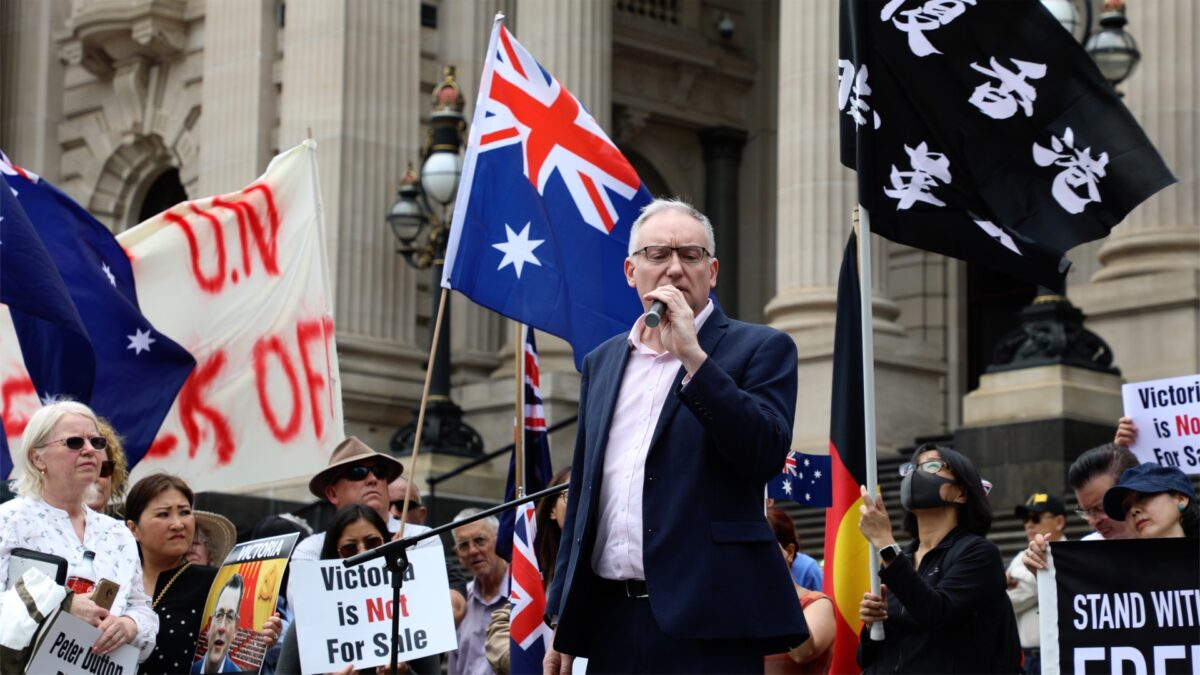
The 2023-24 Victorian Budget invested $82 million to support the First Peoples’ Assembly to carry out negotiations for the Treaty between Indigenous representatives and Victoria, part of a four year $138 million plan.
Limbrick called on the Allan Labor government to focus more on cutting the state’s net debt of $167 billion.
“In the Yoorrook Report, they were talking about taking land off people and all these different taxes that might have to be put in,” Limbrick said.
“Victorians are being taxed to death already. There’s no more room for more taxes.
“So I’m very sceptical about it, and I’ll be opposing any sort of race-based legislation or Voice to Parliament.”
The Yoorrook for Transformation Report called for sweeping changes to Victoria to redress identified past harms to Indigenous tribes.
For example, recommendation 16 of the report suggests reinstating Indigenous place names across Victoria, including in prominent public spaces, parks, reserves, waterways, and for roads.
Recommendation 21 also advocates for a mechanism to facilitate the transfer to entitlements to Aboriginal landowners, including assets like land, water, resources, leaseholds, licences, entitlements, and other interests.
Premier Jacinta Allan said the Yoorrook Report outlined a clear plan to “make amends for past policies and practices, and ensures these wrongs are never repeated.”
But Limbrick pointed to the 2023 referendum as evidence of the public’s mood towards overhauling current institutions for major Indigenous initiatives.
The vote saw over 2.1 million Victorians–or 54 percent of voters–vote against the embedding a national Indigenous Voice into the federal Parliament.
“When I talk to constituents about this, their first reaction is, ‘Didn’t we vote on this in 2023?’” Limbrick said.
“And I think most Victorians feel the same way. They’ve got lots of questions about how is this going to actually look, what does Treaty actually mean.”
Victorian Labor Rules Out New Taxes
The Epoch Times contacted the Victorian government regarding Limbrick’s concerns.
A spokesperson ruled out new land taxes in the statewide Treaty bill, but added there would be a focus on truth telling in local communities, new policies, and advice on the potential impact of new laws on Indigenous people.
The Allan government would also create a mechanism as per the National Agreement to Close the Gap, and confirmed the Voice would not supersede the powers of the Victorian Parliament, nor require amendments to the Constitution.
“The ongoing representative body will be able to advocate for First Nations communities, provide advice, work on building community leadership capability and work with the Victorian government to close the gap between First Peoples and other Victorians,” the spokesperson said.
“This Treaty will not sit outside our existing parliamentary and democratic structures but within them, unifying all Victorians. The ongoing body will be subject to oversight bodies including IBAC, VAGO, and Ombudsman.”
 Friends Read Free
Copy
Facebook
Tweet
Friends Read Free
Copy
Facebook
Tweet