
Australia and Germany have moved to tighten defence ties, signing a suite of agreements to expand military cooperation and space capabilities.
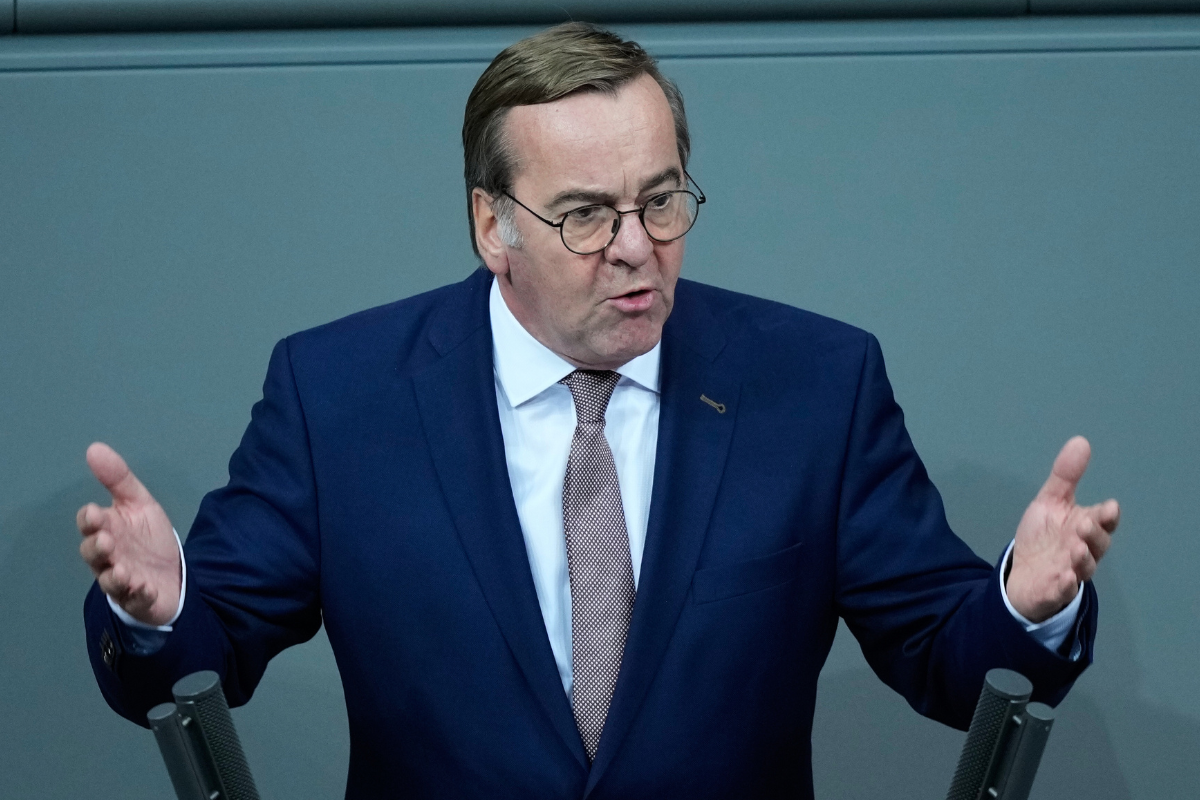
Australia’s Defence Minister Richard Marles and German counterpart Boris Pistorius formalised the arrangements on March 26.
The centrepiece is a proposed “status of forces” agreement, designed to make it easier for Australian and German forces to operate within each other’s territories.
Marles described the partnership as one “that’s going from strength to strength,” while Pistorius said Australia is Germany’s closest partner in the Pacific, pointing to a world of “less reliability, less honesty, [and] less predictability.”
The status of forces agreement will streamline arrangements for joint operations, training, and deployments between the nation’s militaries.
The space cooperation deal aims to improve awareness in that emerging domain where threats are increasing due to the prevalence of satellites.
“China and Russia are our direct neighbours. They have enhanced their offensive capabilities in space. They are able to jam blind or deploy kinetic energy weapons or to destroy satellites. This means we need to be aware of what is going on up there,” Minister Pistorius told reporters.
Germany plans to invest more than 35 billion euros in space systems, including sensors, to build a global monitoring network.
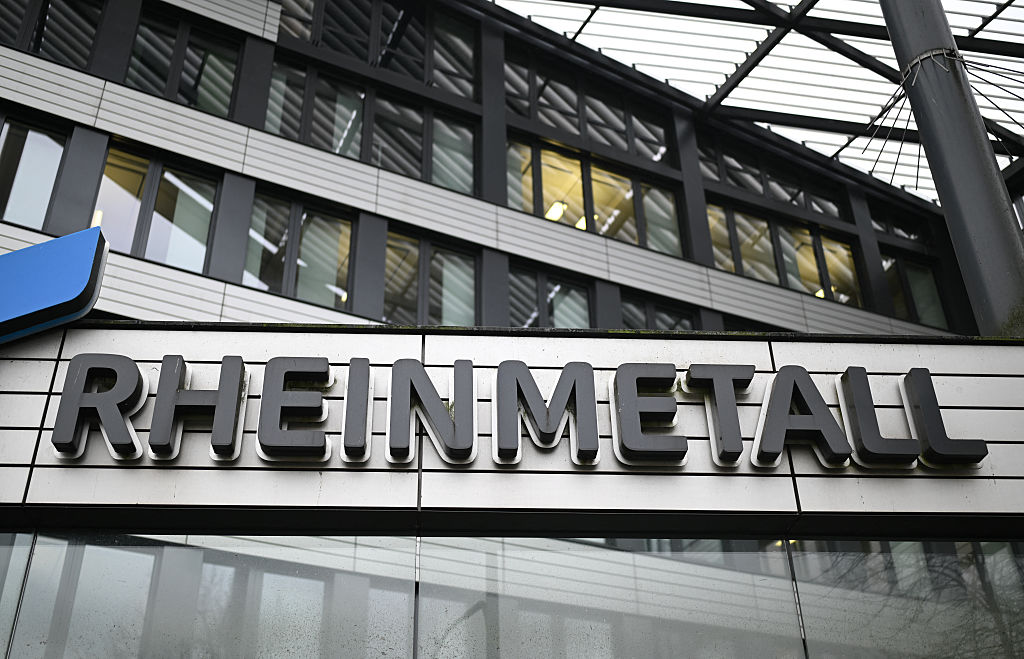
While more work is promised in terms of defence industry with Germany’s Rheinmetall already producing combat reconnaissance vehicles at its Brisbane facility.
A new agreement with TDW will support missile manufacturing under Australia’s guided weapons program, in partnership with Kongsberg.
The meeting comes in the footsteps of European Commission President Ursula von der Leyen, who warned about the threat posed by the Chinese Communist Party (CCP).
“More than 40 percent of European imports are from the Indo-Pacific,” she told the European Australian Business Council on March 25.
“Taiwan produces 60 percent of the world’s semiconductors and 90 percent of the most advanced chips. Security and stability in your region matter to Europe, and to the whole world.”
She said European Union leaders kept an eye on the activities of the CCP naval flotilla that circumnavigated Australia in early 2025, which disrupted 49 commercial flights when the ships carried out a mock live fire exercise in the Tasman Sea.
“In this new reality, Australia’s role as a beacon of peace and stability is even more important to us. Already last year, European countries joined Australia’s freedom-of-navigation exercises in the South China Sea and the Talisman Sabre training mission,” von der Leyen said.
 Friends Read Free
Copy
Facebook
Tweet
Friends Read Free
Copy
Facebook
Tweet