
Australia is in high-level talks with France and the United Kingdom to secure the reopening of the Strait of Hormuz, according to Deputy Prime Minister Richard Marles.
This comes as a fragile U.S.-Iran ceasefire fails to restore confidence to global energy supply chains.
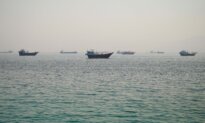
Despite the Pakistan-brokered truce agreed upon on April 7, the world’s most critical oil chokepoint remains effectively paralysed. Just seven ships passed through the Strait between the morning of April 9, a staggering collapse from the pre-conflict daily average of 140.
“We’re talking with the countries leading these efforts—the United Kingdom, France—about how Australia can best contribute,” Marles said on ABC TV on April 10.
However, Marles indicated any further action from Australia, including sending more defence assets to the region, depended on the ceasefire becoming permanent.
The Transit Impasse
The primary obstacle to reopening is not just military, but economic. Reports indicate Tehran is attempting to exert sovereignty over the Strait by demanding a $1-per-barrel “transit fee” on oil tankers, payable in cryptocurrency or Chinese yuan.
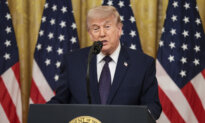
This move has drawn a sharp rebuke from U.S. President Donald Trump, who took to Truth Social to issue a blunt ultimatum.
“There are reports that Iran is charging fees to tankers going through the Hormuz Strait—They better not be and, if they are, they better stop now!” Trump wrote, adding, “That is not the agreement we have!”
Shipping analysts suggest that until these “sovereignty fees” and the threat of naval mines are resolved, commercial insurers will continue to black-list the route, keeping Australian prices at record highs.
Australia’s Strategic Footprint
While the Opposition has called for Australia to join U.S.-led action to force the Strait open, Marles reiterated the government’s focus on the Indo-Pacific.
He confirmed that Australia’s current contribution remains centered on the E-7A Wedgetail airborne early warning aircraft currently stationed in the region.
“It is playing a really important role,” Marles said, while dismissing suggestions from former Prime Minister Tony Abbott that Australia’s reluctance to send warships reflects national weakness.
“We have capability, and that’s not the issue,” Marles said. “We will act in our national interest and we respectfully disagree with the position of Mr Abbott.”
Why is the Strait of Hormuz Important to Australia?
The paralysis of the Strait has created a bottleneck for Australia’s refined fuel security: Australia imports approximately 90 percent of its refined fuels from Asian hubs, primarily Singapore and South Korea.
These refineries rely on Middle Eastern crude transiting through Hormuz.
As a result, even with the federal excise cut, Australian petrol prices remain highly volatile as refineries pass on the “risk premium” associated with secured crude oil.
Shadow Defence Minister James Paterson warned that the international community must not allow the Strait to become a “plaything of Iran.”
“That cannot be the terms of this settlement,” Paterson said. “This should not be used by the regime to raise revenue to sponsor their terror against the world.”
 Friends Read Free
Copy
Facebook
Tweet
Friends Read Free
Copy
Facebook
Tweet