
A $7.3 million program to accelerate renewable energy generation in the Pacific has been launched by the federal government in response to criticism of its climate credentials.
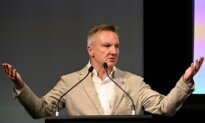
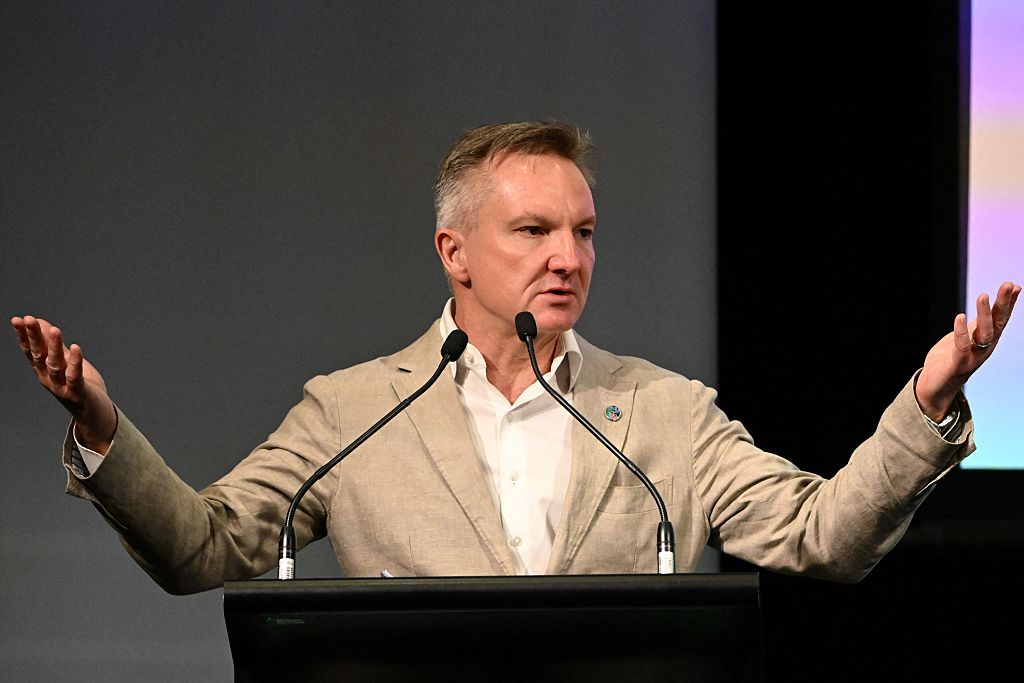
Energy Minister Chris Bowen announced the deal with Vanuatu at the pre-COP31 in Fiji on Monday, alongside a memorandum of understanding designed to boost the nation’s renewable energy workforce and development.
The deal comes as Australia faces scrutiny over its fossil fuel exports and as the government considers the approval of a major coal-mine expansion.
Ministers and participants from more than 50 nations are expected to attend the four-day climate summit in the Pacific before the headline United Nations’ Conference of the Parties meeting in Turkey in November.
Australia’s first funding commitment at the event was designed to help Vanuatu expand renewable energy resources, Bowen said, including grid modelling and more early career engineers.
“This is the sort of practical action that Australia takes to help the Pacific transition away from fossil fuels,” he said.
“Some Pacific countries spend 25 percent of their [gross domestic product] on diesel … that’s terrible for emissions, it’s terrible for respiratory health, and it’s terrible for the economy.”
The funding could help Vanuatu electrify all of its government buildings by 2030, including schools and hospitals, said the Energy Efficiency Council’s Chief Executive Luke Menzel.
“If Vanuatu can do it, Australia can do it, and so can the world,” he said.
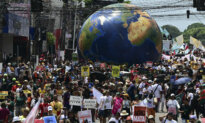
But the announcement came as other nations questioned Australia’s climate record, pointing to its ongoing expansion of fossil fuel exports as their nations face rising sea levels.
The Hunter Valley Operations project, which would extend coal mining in New South Wales (NSW) until 2045, is waiting for federal approval after the NSW Independent Planning Commission gave its go-ahead last week on Wednesday.
By Jennifer Dudley-Nicholson and Duncan Murray in Fiji.
 Friends Read Free
Copy
Facebook
Tweet
Friends Read Free
Copy
Facebook
Tweet