
The Canadian government has updated its travel advisory for Cuba, warning Canadians to avoid non-essential travel to the island nation that is facing escalating shortages of goods.
“Avoid non-essential travel to Cuba due to worsening shortages of fuel, electricity, and basic necessities including food, water, and medicine, which can also affect resorts,” Ottawa said in a Feb. 12 advisory.
The government’s previous advisory for Cuba said to “exercise a high degree of caution” when travelling to the country.
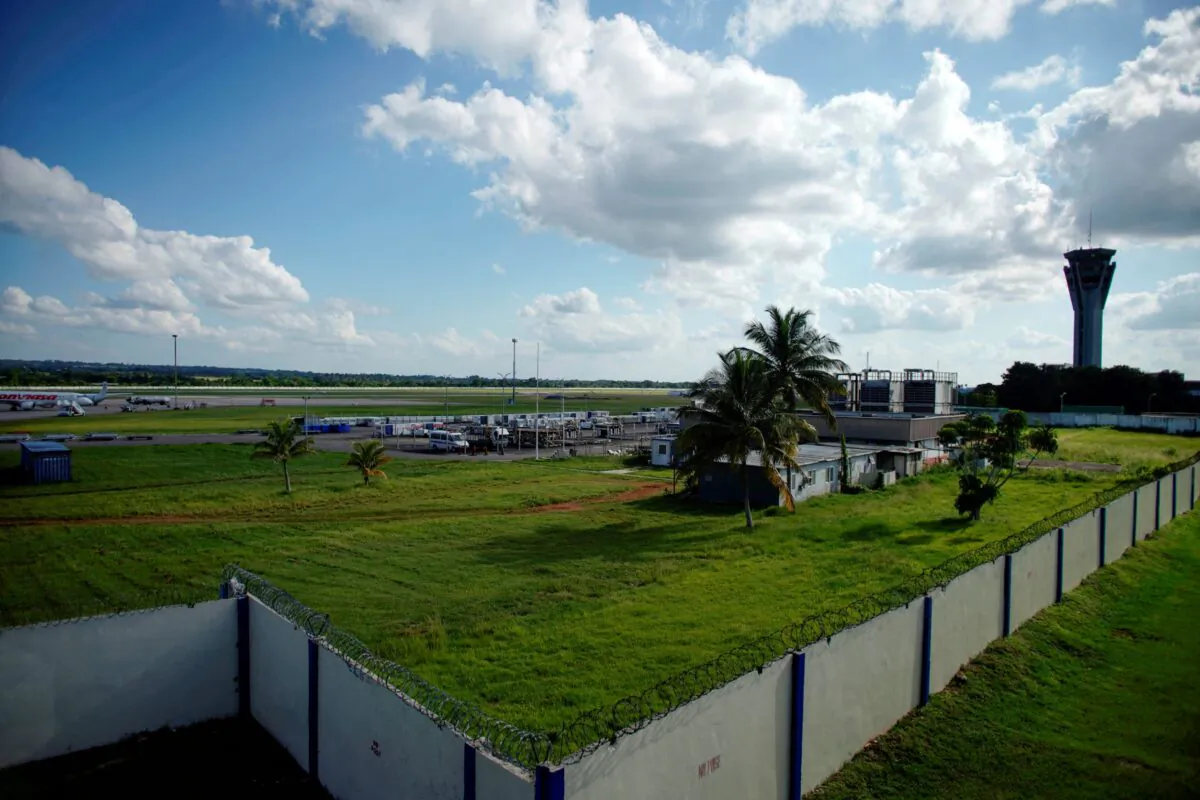
The updated advisory said the availability of fuel in Cuba has decreased and may disrupt ground transportation. All Canadian airlines have suspended upcoming flights to Cuba and will assist in facilitating the return of clients currently on the island.
The government advised those in Cuba without a return ticket to seek a “commercial option to leave the country.” While international airlines offer flights back home, it noted, “they may become limited on short notice.”
Ottawa’s updated advisory comes days after Air Canada announced it was suspending its service to Cuba due to a shortage of aviation fuel on the island. The airline said on Feb. 9 that it would be operating empty flights to Cuba to pick up around 3,000 customers and bring them home.
WestJet, Air Transat, and Sunwing have also announced flexible rebooking or cancellation options for flights to Cuba this month. Aeromexico is still offering one-way flights from Havana to Toronto throughout February, with one stop along the way.
Cuba has historically relied on its ally Venezuela for much of its oil and fuel imports, including aviation fuel. But U.S. sanctions and pressure on Venezuelan oil exports have disrupted supplies, contributing to fuel shortages in Cuba.
Venezuelan energy shipments to Cuba declined sharply after U.S. military forces captured Venezuelan Leader Nicolás Maduro last month in a night raid on the country’s capital, and placed targeted sanctions on the country.
U.S. President Donald Trump signed an executive order on Jan. 29 authorizing the United States to impose additional tariffs on imports from countries that directly or indirectly supply oil to Cuba under the International Emergency Economic Powers Act.
In the order, Trump characterized the Cuban government’s “policies, practices, and actions” as posing an “unusual and extraordinary threat” to U.S. national security and foreign policy, citing Cuba’s alignments with Russia, China, Iran, and transnational groups such as Hamas and Hezbollah.
 Friends Read Free
Copy
Facebook
Tweet
Friends Read Free
Copy
Facebook
Tweet