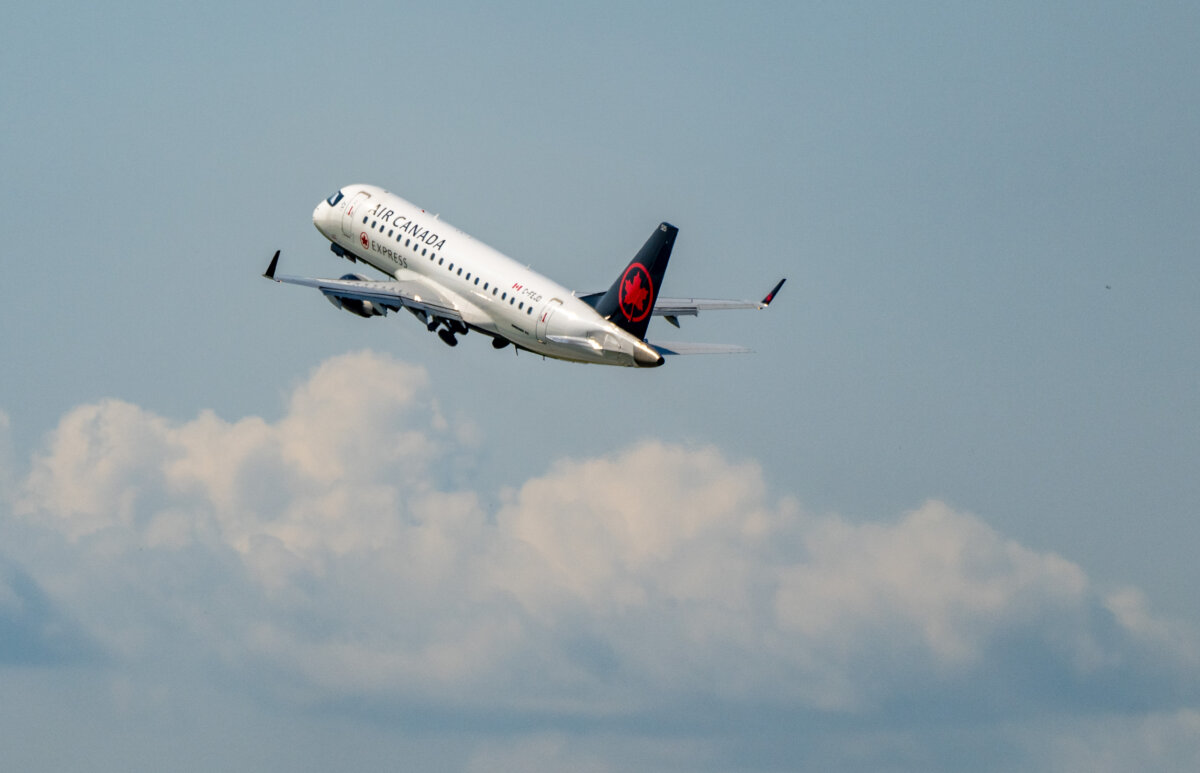

Air Canada announced it is suspending its service to Cuba due to a shortage of aviation fuel on the island.
The airline said on Feb. 9 that in the following days, it will operate empty flights to pick up the approximately 3,000 customers remaining in Cuba and return them home.
“Air Canada took the decision following advisories issued by governments regarding the unreliability of the aviation fuel supply at Cuban airports,” the airline said, adding that estimates have shown fuel will not be commercially available at airports on Feb. 10.
For the remaining flights, Air Canada said it will bring in extra fuel and make “technical stops as necessary” to refuel on the return journey.
Air Canada said that seasonal flights to Holguín and Santa Clara are cancelled for the rest of the season, while flights to Varadero and Cayo Coco are currently suspended with a “tentative restart, pending review, on May 1.”
In an official notice posted to the Federal Aviation Administration website on Feb. 8, Havana’s José Martí International Airport warns Jet A1 fuel is “not available” as of Feb. 10, with the warning running until March 11.
WestJet, Air Transat, and Sunwing have all announced flexible rebooking or cancellation options for flights to Cuba this month.
Air Canada’s notice comes shortly after Global Affairs Canada issued an update to its travel advisory for Cuba, warning that the situation in the communist-ruled country is “unpredictable and could deteriorate, disrupting flight availability on short notice.”
The advisory said Canadians in Cuba should exercise a “high degree of caution” and that shortages of food, water, medicine, electricity, and fuel could also impact beach resorts.
Around the same time as Global Affairs’s warning about Cuba, the U.S. embassy in Havana issued a security alert on Feb. 3, saying that the island’s electrical grid is becoming “increasingly unstable” with prolonged scheduled and unscheduled power outages occurring daily.
The embassy also noted a fuel shortage is leading to long lines at gas stations. “Take precautions by conserving fuel, water, food and mobile phone charge, and be prepared for significant disruption,” the alert said.
Cuba has historically relied on Venezuela for much of its oil and fuel imports, including aviation fuel. Tightened U.S. sanctions and pressure on Venezuelan oil exports have disrupted supplies, contributing to a fuel shortage in Cuba.
Venezuela’s government has been a close ally of Cuba for decades, providing subsidized oil under longstanding energy agreements. Energy shipments to Cuba declined sharply after U.S. military forces captured Venezuelan Leader Nicolás Maduro last month in a night raid on the country’s capital and placed targeted sanctions on the country.
On Jan. 29, U.S. President Donald Trump signed an executive order declaring a national emergency and authorizing the United States to impose additional tariffs on imports from countries that directly or indirectly supply oil to Cuba under the International Emergency Economic Powers Act. In the order, Trump characterized the Cuban government’s “policies, practices, and actions” as posing an “unusual and extraordinary threat” to U.S. national security and foreign policy, citing Cuba’s alignments with Russia, China, Iran, and transnational groups such as Hamas and Hezbollah.
Mexico was another key oil supplier to Cuba and became its main source of imports following U.S. actions on Venezuela. Trump said on Feb. 2 that Mexico had agreed to stop sending oil to Cuba, but the head of Mexico’s state-own energy company Pemex disputed this on Feb. 4.
Pemex CEO Victor Rodriguez said Pemex would honour its contract with Cuba and continue with exports of crude and refined oil products as long as they’re available. He spoke alongside Mexican President Claudia Sheinbaum, who said at the press conference that humanitarian oil shipments to Cuba far outstripped commercial obligations.
Noé Chartier contributed to this report.
 Friends Read Free
Copy
Facebook
Tweet
Friends Read Free
Copy
Facebook
Tweet