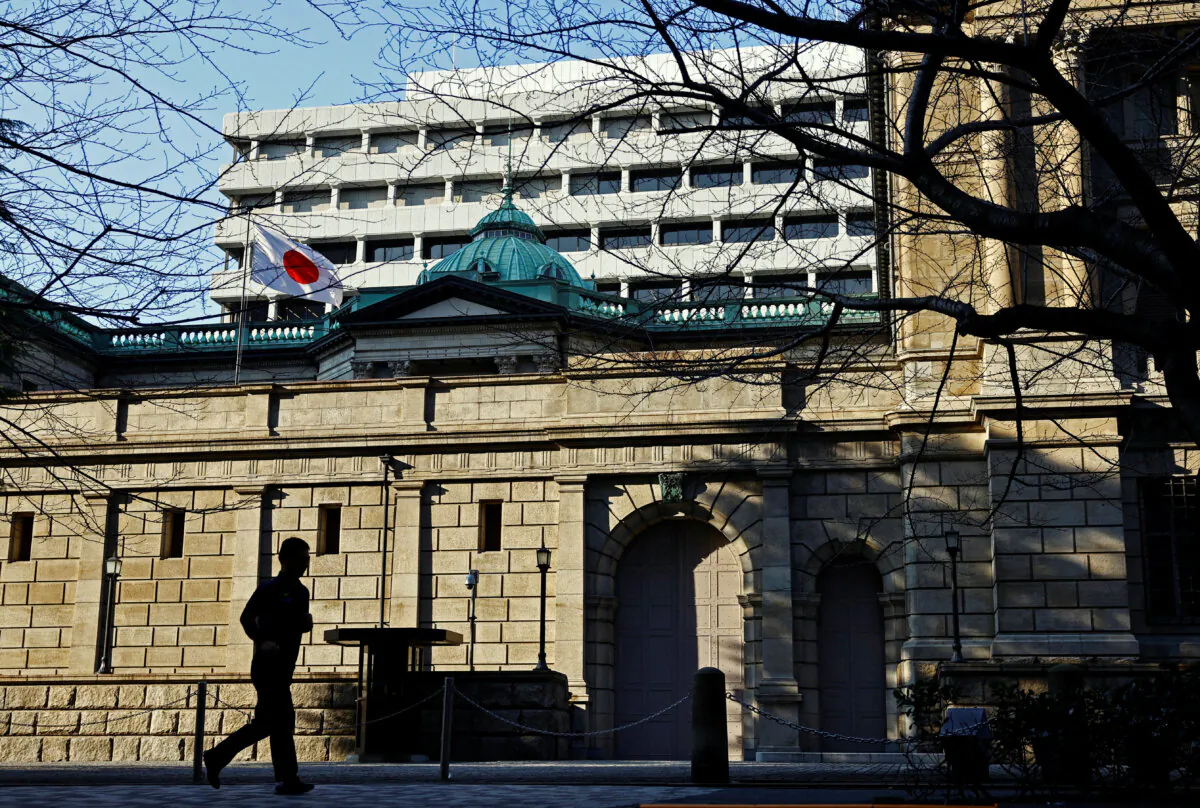

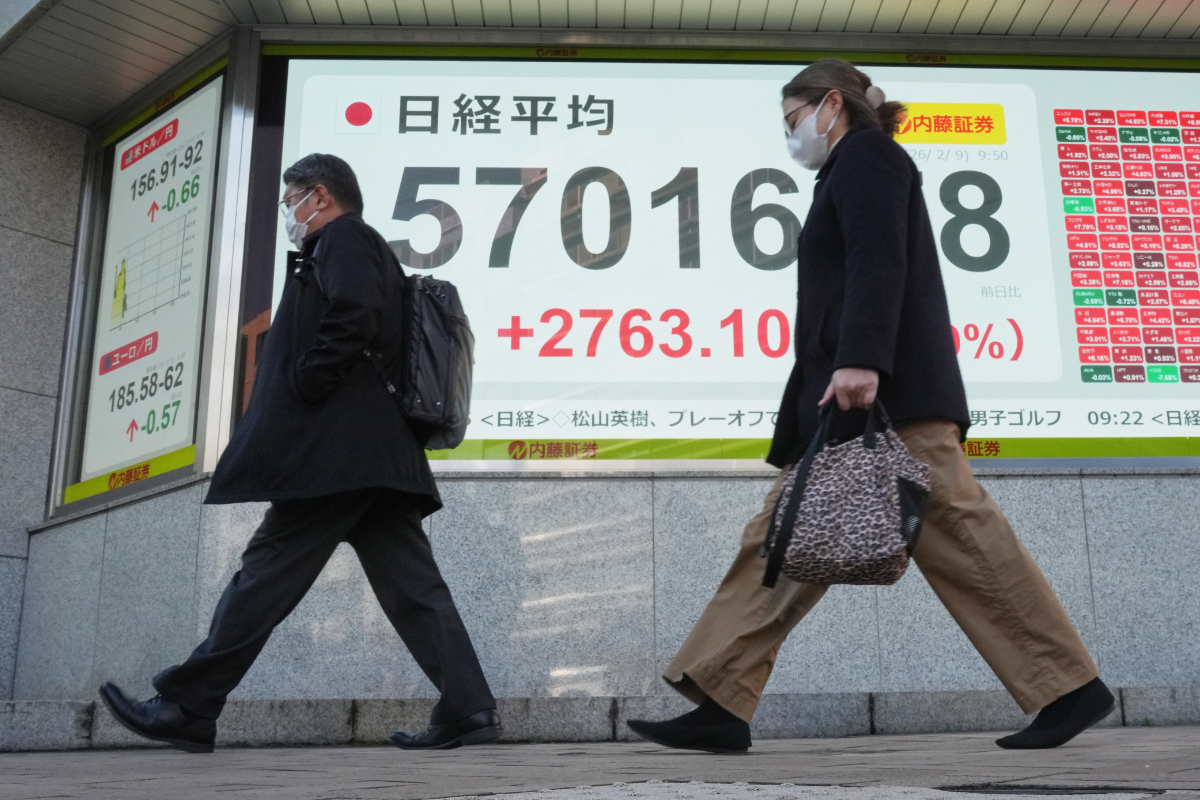
Japan’s central bank on June 16 raised its benchmark interest rate to the highest level in more than three decades, citing broadening inflation pressures and rising energy costs.
The Bank of Japan (BOJ) voted 7–1 to raise its policy rate to about 1 percent from 0.75 percent, marking the highest benchmark interest rate since 1995. The new rate takes effect on June 17.
The decision comes as policymakers assess the economic fallout from months of conflict in the Middle East, which has disrupted energy supplies and pushed up oil prices worldwide.
“Japan’s economy has recovered moderately, although some weakness has been seen in part, partly due to the impact of the situation in the Middle East,” the central bank said in its June 16 policy statement.
The central bank said inflationary pressures have broadened beyond energy markets and could increasingly affect households and businesses.
While consumer inflation has recently remained below the BOJ’s 2 percent target because of government measures to offset higher energy costs, policymakers warned that businesses are rapidly passing higher costs through their supply chains.
“The price pass-through stemming from the rise in crude oil prices has been progressing at a relatively fast pace in business-to-business transactions,” the central bank said.
It added that the trend could spread to consumer prices across a wide range of products.
The bank also said medium- and long-term inflation expectations continue to rise, increasing the risk that underlying inflation could exceed the 2 percent target.
Shinichi Uchida, BOJ deputy governor, said after the meeting that the risk of a severe economic slowdown had diminished since the bank’s previous meeting in April.
“On the other hand, price rises are broadening, and there is a risk that underlying inflation may deviate from our target,” he said.
Energy Costs Remain a Risk
Japan remains particularly vulnerable to swings in global energy markets because it imports nearly all of its fossil fuels.
According to Japan’s Agency for Natural Resources and Energy, the country imports almost all of its fossil fuels and relies on the Middle East for more than 90 percent of its crude oil imports.
Japan also imports large volumes of liquefied natural gas from the region.
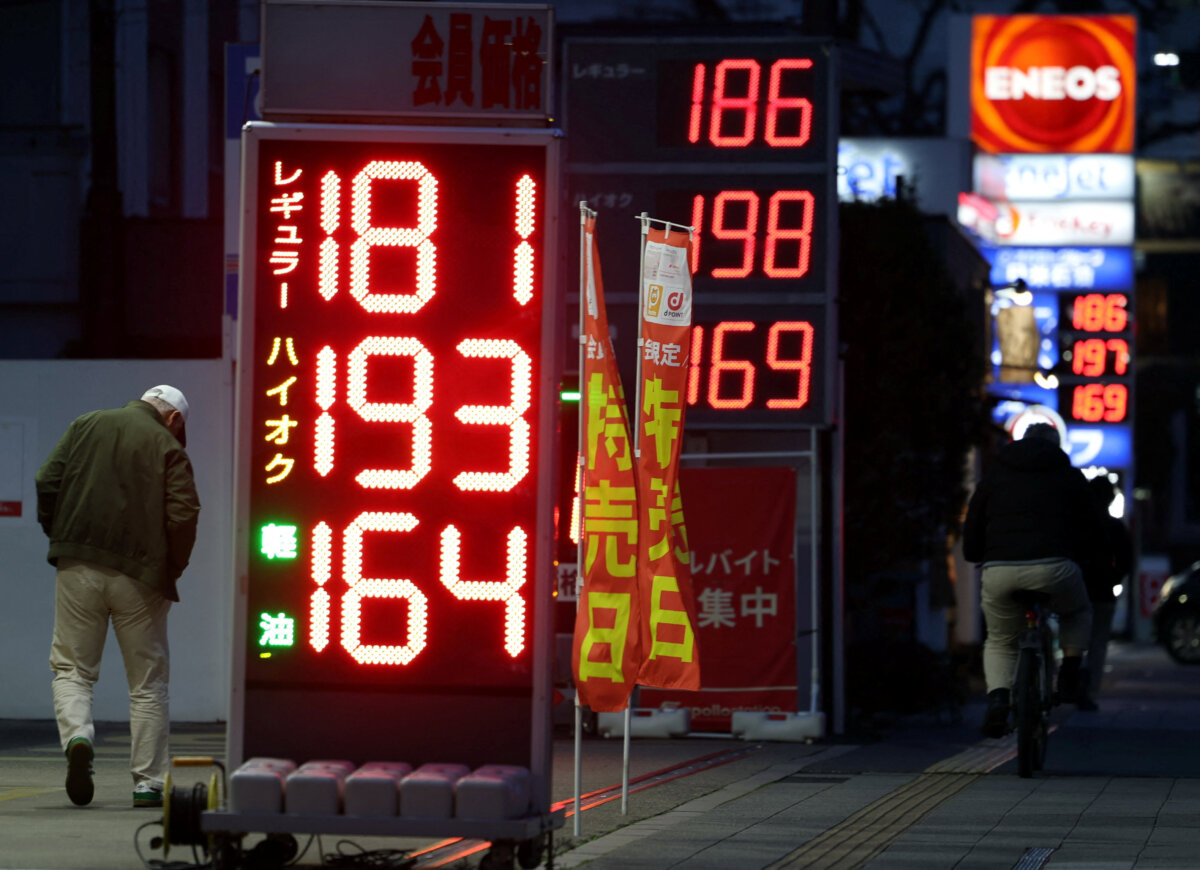
The BOJ said government subsidies and efforts to secure alternative supplies of raw materials had reduced some of the risks associated with the conflict.
“It is necessary to pay particular attention to the impact of the future course of the situation in the Middle East on financial and foreign exchange markets and on Japan’s economic activity and prices,” the bank said.
Japanese Prime Minister Sanae Takaichi has welcomed recent diplomatic progress between the United States and Iran following U.S. President Donald Trump’s announcement of a deal on June 14.
“In the future, we strongly hope that this memorandum will be steadily implemented, that free and safe navigation in the Strait of Hormuz will be actually ensured, and that a final agreement on Iran’s nuclear issue and other matters will be realized at the earliest possible date,” Takaichi said in a June 15 post on X.
Uchida also welcomed the agreement but added that there is “uncertainty on the pace of improvement in distribution [of oil].”
Economic Risks
The BOJ said labor shortages remain widespread and wage increases are increasingly feeding through to consumer prices.
“Wage growth is moving roughly in line with levels consistent with our price target,” Uchida said. “The mechanism by which wages and prices rise in tandem is becoming embedded.”
The central bank said underlying inflation is expected to reach a level generally consistent with its 2 percent target between the second half of fiscal year 2026 and fiscal year 2027.
The BOJ’s decision was not unanimous.
Board member Toichiro Asada voted against the rate increase, arguing that the conflict in the Middle East still poses significant risks to production and employment.
The BOJ said Asada believed that “downside risks to production and employment were greater than upside risks to prices” and preferred to leave interest rates unchanged.
Officials said they would carefully assess the timing and pace of future moves while monitoring inflation, wage growth, energy markets, and the economic impact of events in the Middle East.
Reuters contributed to this report.
 Friends Read Free
Copy
Facebook
Tweet
Friends Read Free
Copy
Facebook
Tweet