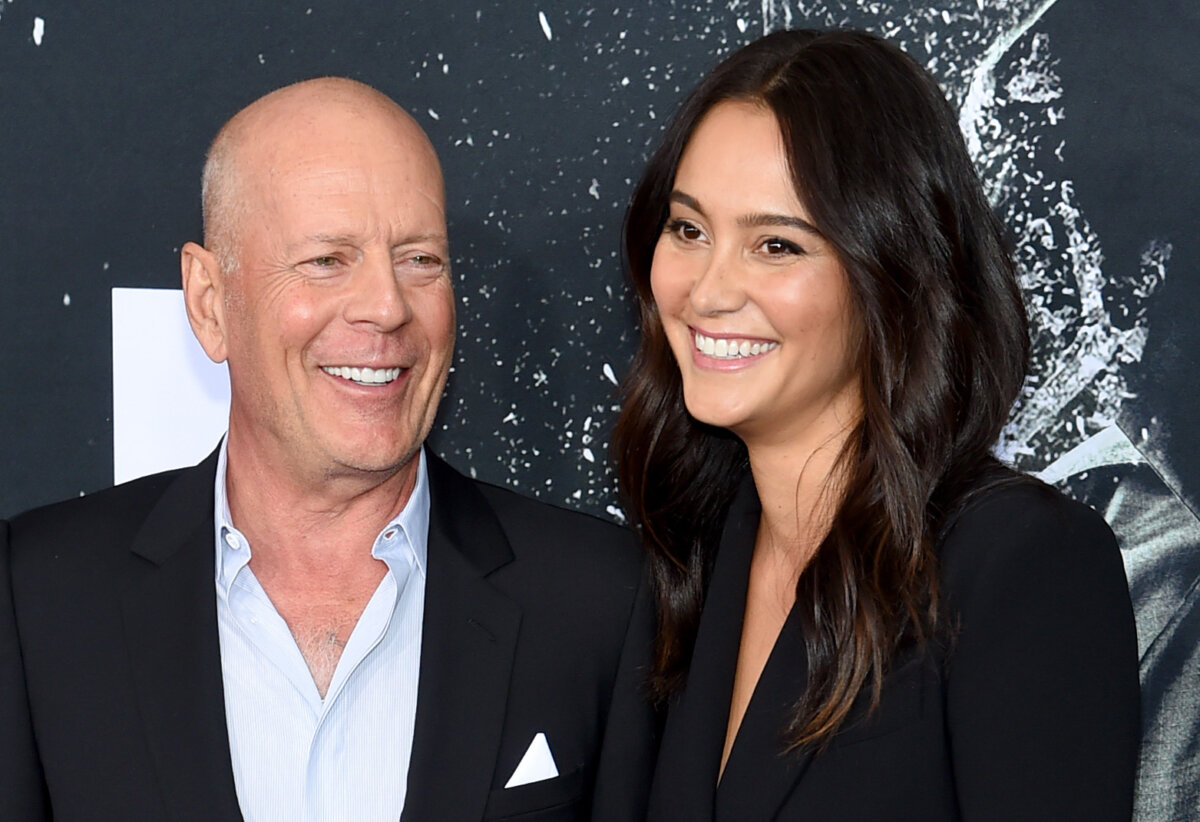

When Emma Heming Willis and her family received the devastating news that her husband, actor Bruce Willis, had a form of dementia, she expected clarity on what treatment to expect next.
Instead, she says they were left to navigate the immediate path largely on their own.
Speaking to the International Dementia Conference (IDC) 2026 in Sydney, Heming Willis reflected on the difficult period following her husband’s diagnosis of frontotemporal dementia, and the lack of information on this rare form.
“We walked out of our early diagnosis with no road map, no clear guidance, just a check back in a month and that was it,” she said.
“For our family, receiving a rare dementia diagnosis came with so much confusion and uncertainty.
“What we were facing did not look like what most people imagine dementia looks like. Because of that, it would feel incredibly isolating.”
Drawing on her family’s experience, Heming Willis unveiled raredementia.com.au, a new Australian website designed to help families access information and support services.
Shining a Light on Lesser-Known Dementias
The website has been developed to improve awareness of dementia conditions that often receive less public attention than Alzheimer’s disease.
Dementia is an umbrella term for conditions that accelerate the decline of brain functions like memory, thinking, behaviour and language.
According to the Queensland Brain Institute, normal ageing may involve occasional forgetfulness, slower processing speeds, or difficulty recalling a word.
Dementia goes beyond these changes by progressively affecting a person’s ability to function independently in everyday life. People with dementia may struggle with tasks they once performed routinely, become confused in familiar environments or experience significant changes in personality and behaviour.
Alzheimer’s disease is the most common form of dementia, with the World Health Organisation estimating it makes up to 60 to 70 percent of all dementia cases.
However, many other forms of dementia receive far less public attention, including vascular dementia, Lewy body dementia, primary progressive aphasia, and frontotemporal dementia (FTD), the condition diagnosed in Bruce Willis.
FTD accounts for around one in 25 dementia cases. Unlike Alzheimer’s disease, early symptoms often involve significant changes in personality, behaviour or language rather than memory loss.
The Willis family publicly announced Bruce Willis’ diagnosis in February 2023. Since then, Heming Willis has become a prominent advocate for greater dementia awareness and support for carers and families.
“The Rare Dementias Support Program, led by HammondCare as part of the international Rare Dementia Support community, recognises something deeply important—support should not depend on how common your diagnosis is,” she said.
Marie Alford, co-convenor of the IDC 2026, said Heming Willis’ website would help broaden public understanding of the many different forms of dementia.
“When we talk about rare dementias, it’s with an understanding that they are not the dominant story in the narrative—this website will help address this,” Alford said.
 Friends Read Free
Copy
Facebook
Tweet
Friends Read Free
Copy
Facebook
Tweet