
Australian businesses will soon have to find ways to improve “gender equality” in their workplaces if they want to win government contracts.
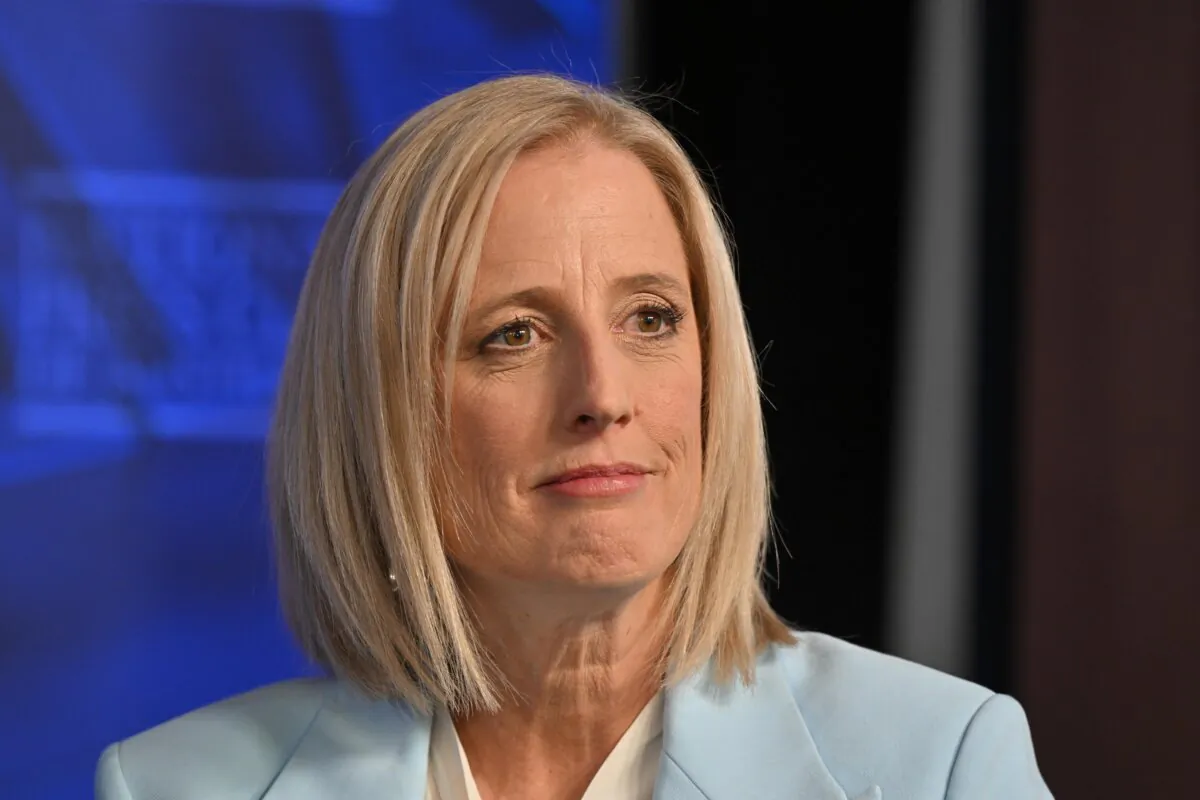
In her speech to the National Press Club of Australia on March 7, federal Minister for Finance and Minister for Women Katy Gallagher outlined measures to reduce the “gender pay gap.”
The gender pay gap is an indicator calculated by dividing the difference between the average total remuneration of male and female employees in an organisation, against the average male total remuneration.
The calculation covers all employees and employee types, such as part-time and casuals (more women fill these types of positions), but does not include the CEO position and non-binary employees.
According to Ms. Gallagher, the average gender pay gap in Australia was 12 percent in favour of men, with the difference in total remuneration between the two genders reaching 21.7 percent in organisations with over 100 employees.
To address this issue, the minister said the government would use the Workplace Gender Equality reporting framework to make gender equality a requirement for businesses with 500 or more employees tendering for government contracts.
“Today, I’m pleased to say that the government will use its purchasing power to better support gender equality outcomes,” she said.
“Every year, the government spends $70 billion to procure goods and services.
“And we think there’s more that can be done to make sure women are getting a fair slice of that spending.”
Specifically, companies will be required to make improvements in areas such as the gender makeup of their boards and workforce, equal pay and flexible working arrangements for women, workplace consultation on gender equality, as well as efforts to prevent and address sexual harassment.
“Not only will businesses have to set targets, but they’ll have to show progress towards them,” Ms. Gallagher said.
“We in the government believe that shining a light on what’s actually happening in workplaces will put pressure on employers to rethink how they hire, promote, and remunerate their staff.
“I’m very confident it will drive change and deliver the outcome we want.”
Ms. Gallagher’s remarks come shortly after the government released the gender pay gap data of 5,000 public and private companies in late February.
At the time, the minister touted the move as a “historic step” in strengthening transparency and accountability of the government’s work in addressing “gender inequality.”
Super Payment on Paid Parental Leave Starts With Government First
Ms. Gallagher also acknowledged that the government has not planned to make it compulsory for companies to pay super for employees on parental leave.
Under a new policy, from July 1, 2025, eligible parents could get an additional amount of 12 percent, or $106, paid to their super accounts per week on top of government parental support payments.
The amount will be paid by the government, while employers have not been required to foot the bill.
“We’re going to legislate our system first. We will continue to work with employers on these matters,” Ms. Gallagher said.
The minister believed as the government showed leadership in this aspect, employees would start to expect more from their employers, making the super scheme a standard workplace conditional workplace entitlement.
 Friends Read Free
Copy
Facebook
Tweet
Friends Read Free
Copy
Facebook
Tweet