
Ottawa has dropped counter-tariffs on U.S. seafood and fish products after feedback from affected Canadian industries.
Finance Canada announced on Aug. 26 it has made “select adjustments to protect against broader economic harms” after hearing “feedback,” but that other dollar-for-dollar counter-tariffs would remain.
The United States imposed 50 percent tariffs on US$20 billion Canadian exports to the United States beginning on Aug. 22, which included paper, alcohol, cement, and dairy. In response, Ottawa will impose tariffs on CA$27.6 billion worth of U.S. imports, with rates ranging from 15 percent to 50 percent, beginning Sept. 8.
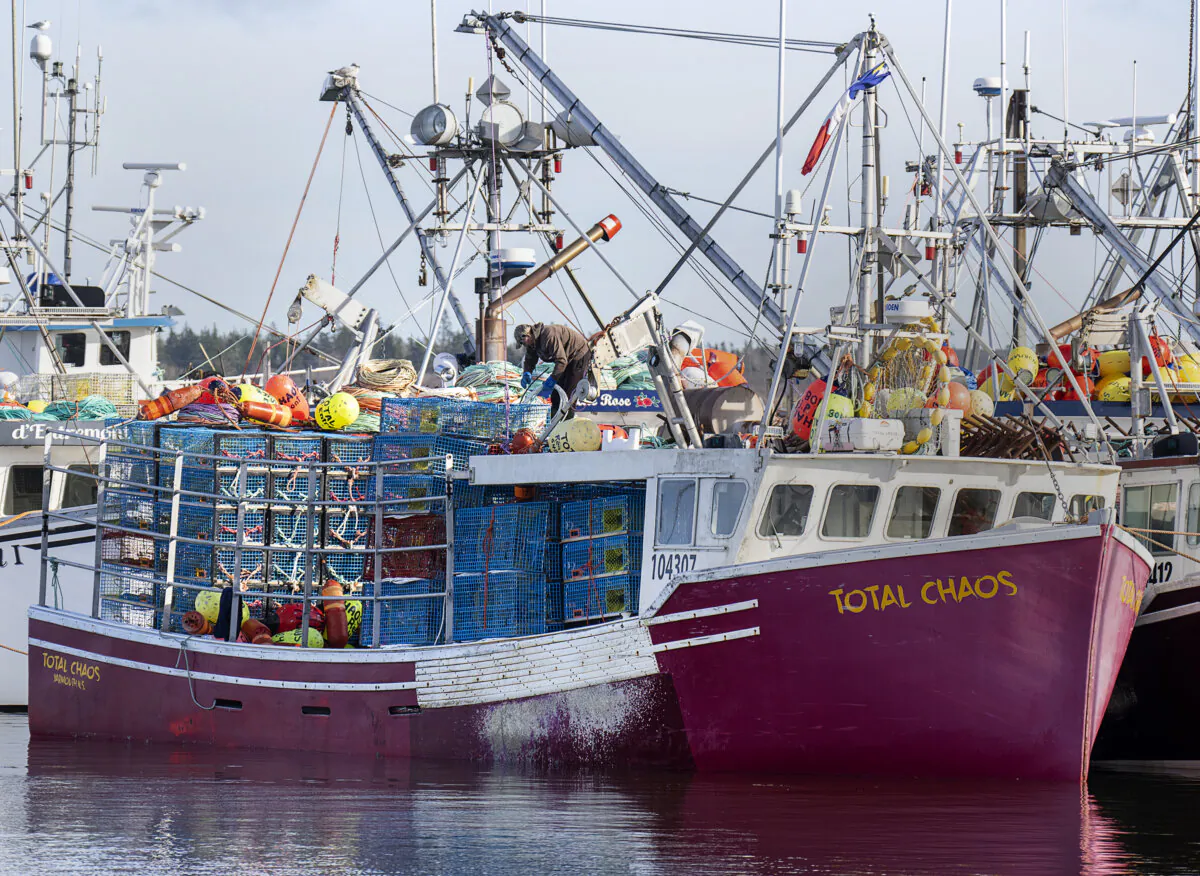
In addition to imposing tariffs on U.S. products like steel, aluminum, paper, electrical machinery, furniture, and vehicles, Canada was set to impose 25 percent tariffs on fish and seafood, including trout, carp, tuna, lobster, oysters, shrimp, and salmon.
Finance Minister François-Philippe Champagne told reporters on Aug. 27 that Ottawa updated the tariff list to exclude fish and seafood products because it was the “right thing to do in the interest of Canada, and that’s what we always strive to do when it comes to the measures.”
Washington has already announced 50 percent tariffs on Canadian autos beginning in 2027 in response to Canada’s planned counter-tariffs. The seafood industry in Canada’s Atlantic provinces has been concerned that Ottawa’s counter-tariffs on seafood could lead to further U.S. tariffs on their products.
The Nova Scotia Seafood Alliance had said it was “somewhat blindsided” when the government announced the tariffs, and were “disappointed” that its organization had not been consulted before the list was released.
Lobster Council of Canada executive director Geoff Irvine said the tariffs took the industry by surprise, but added that he was pleased to see they had been removed.
“It’s important to keep food and protein out of the tariff wars,” he said. “Everybody has to eat and we don’t want any additional inflation and costs for food products.”
Restaurants Canada said in a social media statement it was “grateful” Ottawa listened to industries and decided to rescind the tariffs because 71 percent of operators were reporting declining profitability.
“Every measure that reduces the cost of doing business helps restaurants remain viable during this challenging time for Canada, while keeping meals affordable,” the organization said.
U.S. Sen. Susan Collins, who represents the state of Maine, said she appreciated Canada’s decision to remove the tariff from its list, noting that it would have caused “tremendous harm” to the state’s lobster industry.
“I urge the U.S. to respond to this show of good faith from our Canadian friends by returning to the negotiating table and working to amicably resolve this trade dispute. Canada is not China,” she said in a social media statement.
The Canadian Press contributed to this report.
 Friends Read Free
Copy
Facebook
Tweet
Friends Read Free
Copy
Facebook
Tweet