Russia warned on Aug. 27 that it could strike British and French military targets both inside and outside Ukraine, following the UK’s pledge to share classified technical intelligence to help Kyiv build its own long-range cruise missiles.
In an Aug. 27 post on X, the Russian Ministry of Foreign Affairs said that London and Paris are “trying to dodge responsibility for deep strikes into Russia by shifting the assembly role to Ukraine.”
“They should understand this is ‘playing with fire’ and that the consequences could be unpredictable, including for them,” it said.
The post included an image of the Ukrainian trident superimposed on top of London’s Tower Bridge and Paris’s Eiffel Tower.
While visiting Kyiv, British Prime Minister Andy Burnham on Aug. 24 said that the UK would help Ukraine make its own long-range missiles by sharing classified technical information for British components.
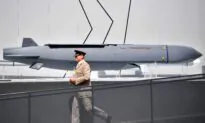
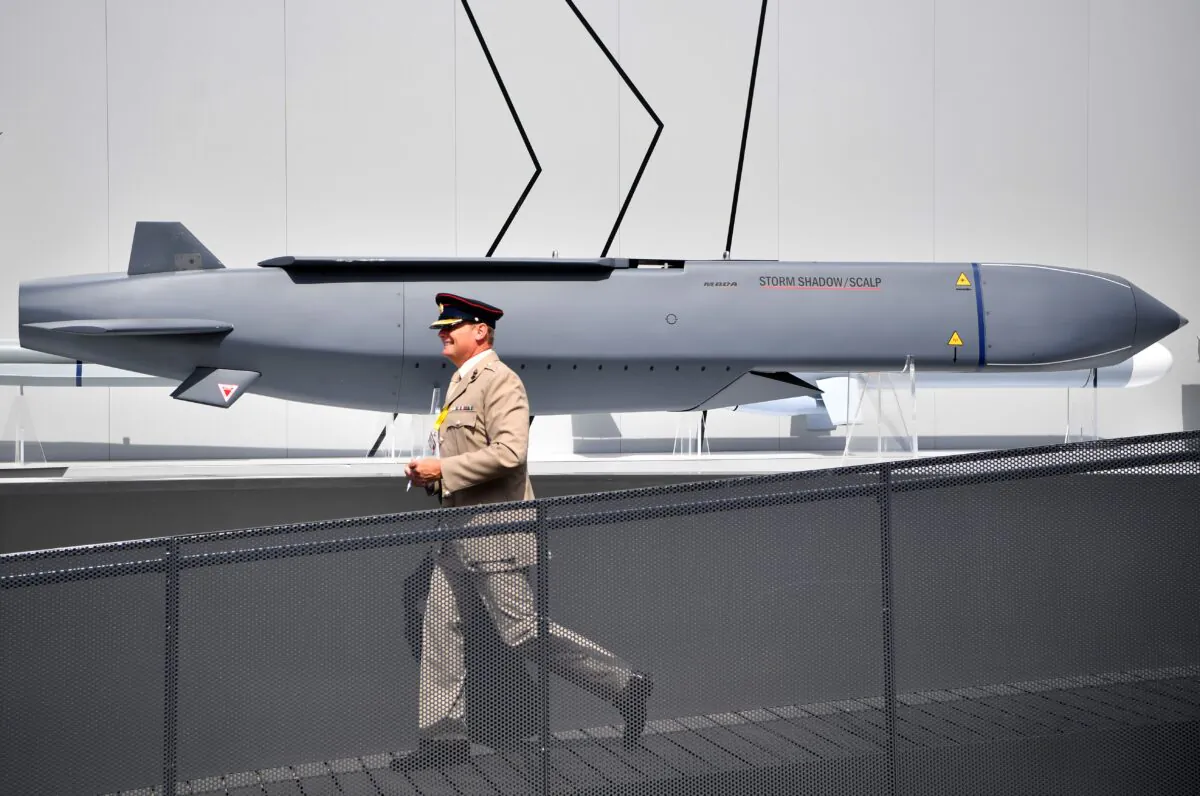
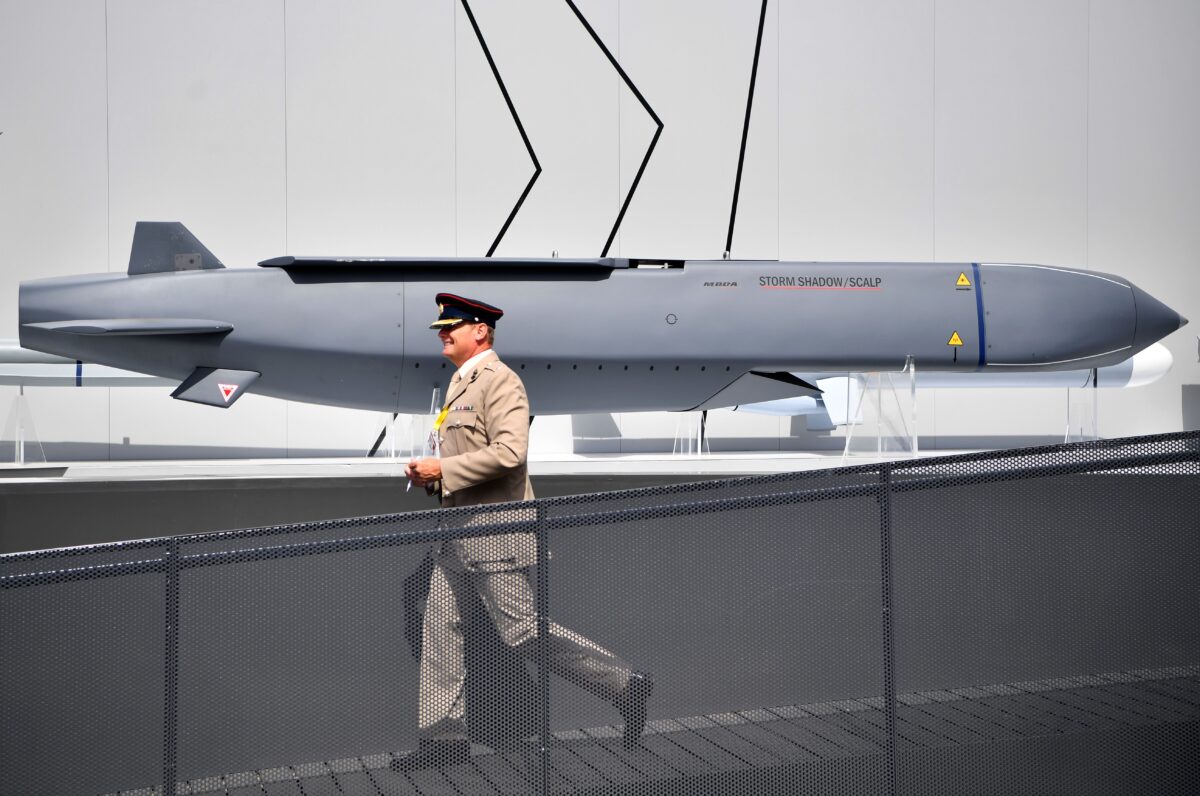
The SCALP missile is the French-produced version of the UK’s Storm Shadow, an air-launched, high-precision missile with a range of more than 250 kilometers (about 155 miles). Both use shared French and British technology.
Since 2023, the UK has been providing Storm Shadow missiles to Kyiv to allow Ukrainian forces to hit Russian targets.
At a news briefing in Moscow on Aug. 27, Russian Foreign Ministry spokeswoman Maria Zakharova warned of “inevitable catastrophic consequences” unless the UK changed course.
“We have repeatedly warned that any British military installations and equipment in Ukraine and beyond its borders could be targeted in response to Ukrainian strikes on Russian territory carried out using British weapons,” she said.
“We propose that the British leadership once again carefully analyze the situation and immediately, in the most resolute and unequivocal manner, abandon the hostile, aggressive line, which can only … create the risk of the conflict escalating to an entirely new level.”
The escalation comes as CIA Director John Ratcliffe made a surprise visit to Moscow for meetings on Aug. 25, which U.S. President Donald Trump confirmed on Aug. 26.
The president, however, dismissed all rumors about the purpose of Ratcliffe’s trip, denying that he was sent to warn the Kremlin against testing NATO’s resolve, striking England, or disregarding Iranian sanctions.
Speaking to radio host Glenn Beck, Trump said: “Well, none of the above. He’s there, you know, on very sort of semi-routine—I hate to disappoint people.”
Kremlin spokesman Dmitry Peskov also said on Aug. 26 that Ratcliffe held talks with his counterparts but did not meet with Russian President Vladimir Putin during his visit.
The apparent visit followed increased U.S. economic pressure against Iran.
On Aug. 24, U.S. Treasury Secretary Scott Bessent announced the administration’s campaign to isolate Iran’s economy, calling it “Operation Economic Outcast.”
Neither China nor Russia had “accepted” the U.S. measures, Iranian Economy Minister Ali Madanizadeh said on Aug. 24.
Historically, high-level surprise visits have served as a critical back channel to deliver direct warnings to Russia, as seen with a secret trip to Moscow made in November 2021 by then-Director William Burns, just a few months before Russia invaded Ukraine.
Russia has denied that it was planning any assault or provocation against any NATO members, calling the allegations “fearmongering.”
Since the Russia–Ukraine war started in 2022, Moscow has repeatedly warned the UK and other Western allies about their support for Kyiv.
The Kremlin said on Aug. 24 that the UK’s decision to hand Ukraine classified information on British-made components used to make SCALP long-range cruise missiles would “add fuel to the fire.”
“Britain methodically and regularly adds fuel to the fire and methodically and regularly hatches schemes to prevent even the slightest progress in the peaceful settlement process,” Peskov told reporters.
Emel Akan, Reuters, and The Associated Press contributed to this report.
 Friends Read Free
Copy
Facebook
Tweet
Friends Read Free
Copy
Facebook
Tweet