

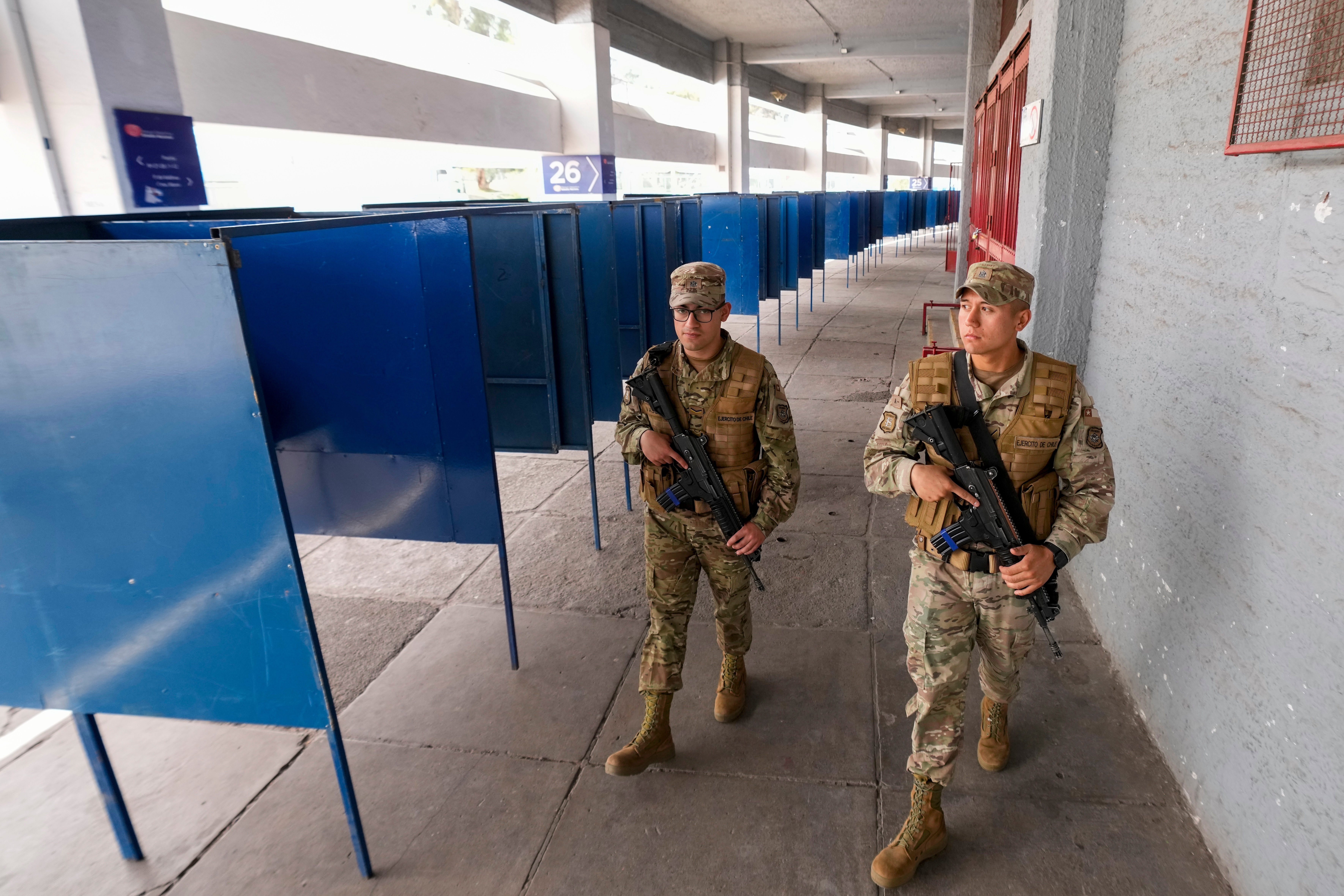
The inconclusive presidential election results of Nov. 16 have put Chile on the path to a December runoff vote to decide the nation’s future.
Left-wing labor minister Jeannette Jara and right-wing candidate José Antonio Kast secured the top two spots to win the four-year term on Nov. 16. Chile’s national electoral service reported that 26.63 percent of the popular vote went to Jara, and Kast secured 24.25 percent. Because neither leading candidate won an absolute majority, a second round of voting is scheduled for Dec. 14.
The election has shone a light on the candidates’ stark ideological differences in one of Latin America’s most stable and affluent democracies. Jara’s social-welfare focus and link to the Chilean communist party present a very different vision for the country from Kast’s tough-on-crime stances and migration platform. Meanwhile, crime, illegal immigration (particularly from Chile’s troubled neighbors Venezuela and Haiti), and the economy are at the forefront of voter concerns ahead of the December polls.
For U.S. policymakers, some regional analysts have said that if Kast—the head of Chile’s Republican Party—is elected, it could signal a potential turning point for political alignment, trade strategy, and security cooperation across the Southern Cone.
Latin America has been undergoing a broader realignment with U.S. interests through more conservative political regimes in recent years. Bolivia pivoted toward a more U.S.-friendly government in October and joined the ranks of Ecuador, Paraguay, and Argentina, which currently have leaders who are turning away from the rhetoric of and alliances with socialist Cuba and Venezuela’s entrenched regimes.
Winds of Change
“If things go as expected [in the second round], the regional implication is it further strengthens this shift towards a pro-U.S. bloc,” Evan Ellis, a Latin America research professor for the U.S. Army War College, told The Epoch Times.
Multiple reports anticipate Kast has an advantage going into the December runoff, amid a potentially united conservative vote that was divided in the first round. The three right-wing party candidates obtained 50 percent of the nation’s total vote on Nov. 16, according to El Libero. Although it’s not certain that every other conservative vote will go to Kast in the second round, the only other option will be to support a member of Chile’s communist party.
Ellis said he thinks that the political left’s choice of a “communist party candidate” in a country already struggling with the failures of outgoing left-wing progressive President Gabriel Boric puts the left at a significant disadvantage.
Jara has downplayed her ties to the communist party while touting herself as a champion of social mobility, inclusiveness, and grassroots reform. On the other end, Kast is seeking institutional stability and favors more traditional conservative values. Both candidates have promised to address the nation’s problematic border crisis and economic challenges.
Chile’s economic dynamism has stalled over the past decade. The International Monetary Fund attributes some of this to “weaker connections” within its vast industrial commodities market. Chile is the world’s top copper producer, but the mining sector suffered a 9.3 percent drop in June—the most significant monthly decline since 2017.
This year, the European Union recognized Chile as having “strategic importance” in the coming years because of its vast natural resources and raw materials.
The Organization for Economic Co-operation and Development (OECD) reported that Chile’s slowing economy stems from restricted capital markets and a monetary policy stance that has led to tighter credit conditions. These conditions ultimately took a toll on business investment following the COVID-19 pandemic. The OECD stated that structural barriers have hindered economic productivity.
From Bad to Worse
A spiraling immigration crisis has also influenced public opinion alongside soaring crime rates. Beginning in 2017, the South American nation witnessed an influx of Venezuelan and Haitian refugees, largely through the highly remote northwestern border with Bolivia. Many of these arrived as illegal immigrants looking for a more stable government and better employment opportunities.
In May, the Chilean think tank Libertad y Desarrollo (LYD) said the nation is facing an “unprecedented migration crisis” due to the “massive and irregular” surge of migrants into Chile and people overstaying their visas.
“This has strained institutional capacity, exacerbated informal employment, poverty, and a decline in security,” the LYD stated.
On July 30, the United States and Chile signed a new Biometric Identification Transnational Migration Alert Program agreement as part of broader cooperation on migration between the two nations.
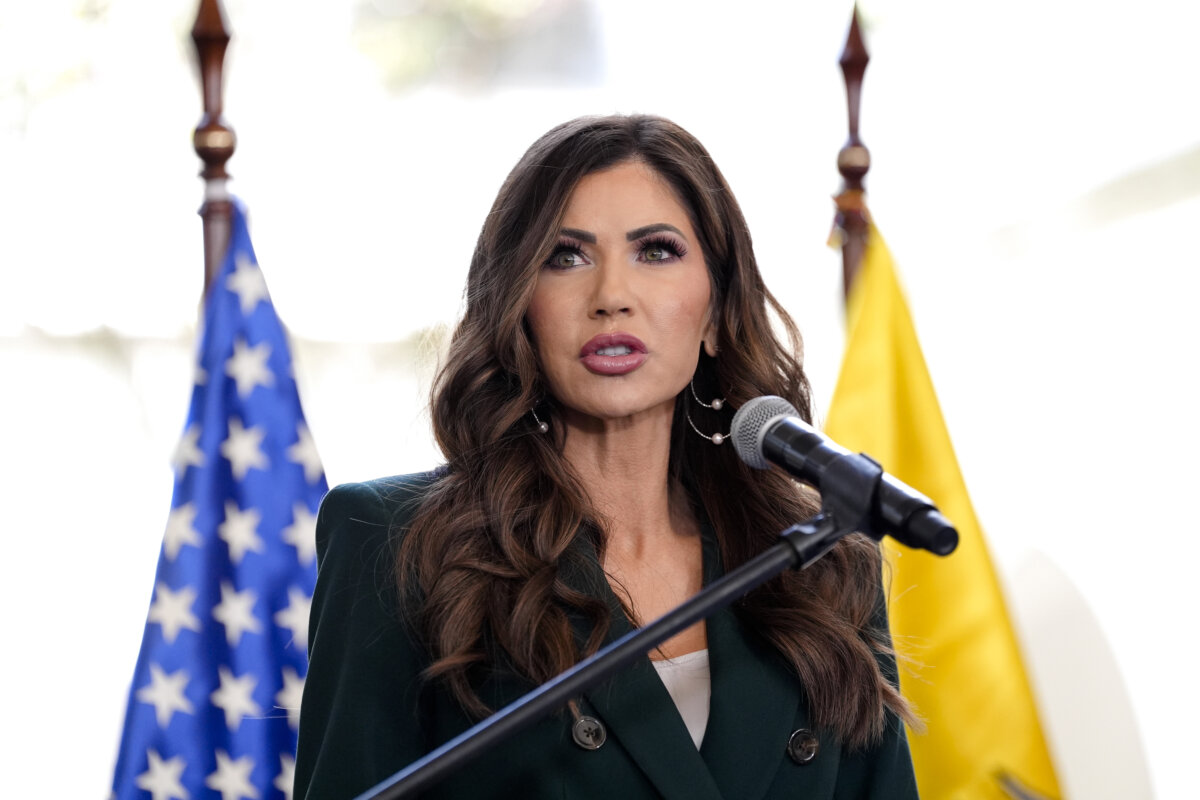
“[The program will] help both nations better track criminals, terrorists, other dangerous individuals who try to cross our borders and do us harm. America, Chile, and the entire western hemisphere will be safer because of these efforts,” Department of Homeland Security Secretary Kristi Noem said in an official statement on the initiative.
Many Chileans are fed up with soaring crime rates and illegal immigration, which worsened under Boric.
“The cities haven’t been safe for years, and more people are living on the streets,” Anna Rojas told The Epoch Times.
Rojas said that in her hometown of Iquique, she no longer sees the same popular seaside destination she grew up with.
“I don’t let my grandchildren play outside alone anymore,” she said.
The entire Tarapacá region—of which Iquique is the capital—has experienced a surge in violent crime since 2022, according to the group Insight Crime. Because of its strategic location as a major port city and its close proximity to the remote desert border with Bolivia, Iquique has become a popular base for illegal immigrants and criminal cartels such as Venezuela’s Tren de Aragua.
As of August, Tren de Aragua was reported to be operating in 14 of Chile’s 16 regions, including Tarapacá. The increasing presence of this crime syndicate is linked with spikes in homicides, contract killings, kidnappings, and human trafficking.
In a 2024 assessment of Chile’s crime landscape, the Royal United Services Institute stated that murders and organized crime have become “disturbingly commonplace.”
“We were promised many things under Boric, and none of them came to pass,” Rojas said. “With Jara, it would be more of the same. People are ready for change.”
Rising to power in the wake of the country’s largest public demonstrations since the Pinochet era, Boric took the nation’s helm in March 2022 amid an already struggling economy. Failed attempts at constitutional changes, controlling the nation’s migration crisis, poverty, and organized crime are some of voters’ concerns, according to Rojas. In her estimation, the prospect of electing Jara, a Boric administration minister, has been a deal-breaker for a lot of people.
In a 2024 interview with El País, Boric claimed to have reduced poverty during his administration. The National Socioeconomic Characterization Survey published figures in July that show that 22 percent of Chileans are living below the poverty line. By comparison, the national poverty rate in 2020 was 10.8 percent, according to Chile’s National Library of Congress.
“Chileans don’t feel better than they did four years ago,” Robert Funk, a Chilean political analyst at GlobalSource Partners, told Latin America Reports.
Funk pointed out that when Boric and his fellow student leaders claimed that democratic governments had failed to change the status quo, he quickly changed his tune after being sworn into office.
The Boric administration has also been plagued by scandal. There were accusations of corruption involving the social development minister, and the president was the focus of a sexual harassment claim, which he denied.
Kast has taken heat because his father was reportedly a member of the Nazi Party in Germany during World War II. Human rights groups also made claims during Kast’s previous presidential run that his family collaborated in detaining political opponents in the town of Paine during the Pinochet dictatorship.
 Friends Read Free
Copy
Facebook
Tweet
Friends Read Free
Copy
Facebook
Tweet