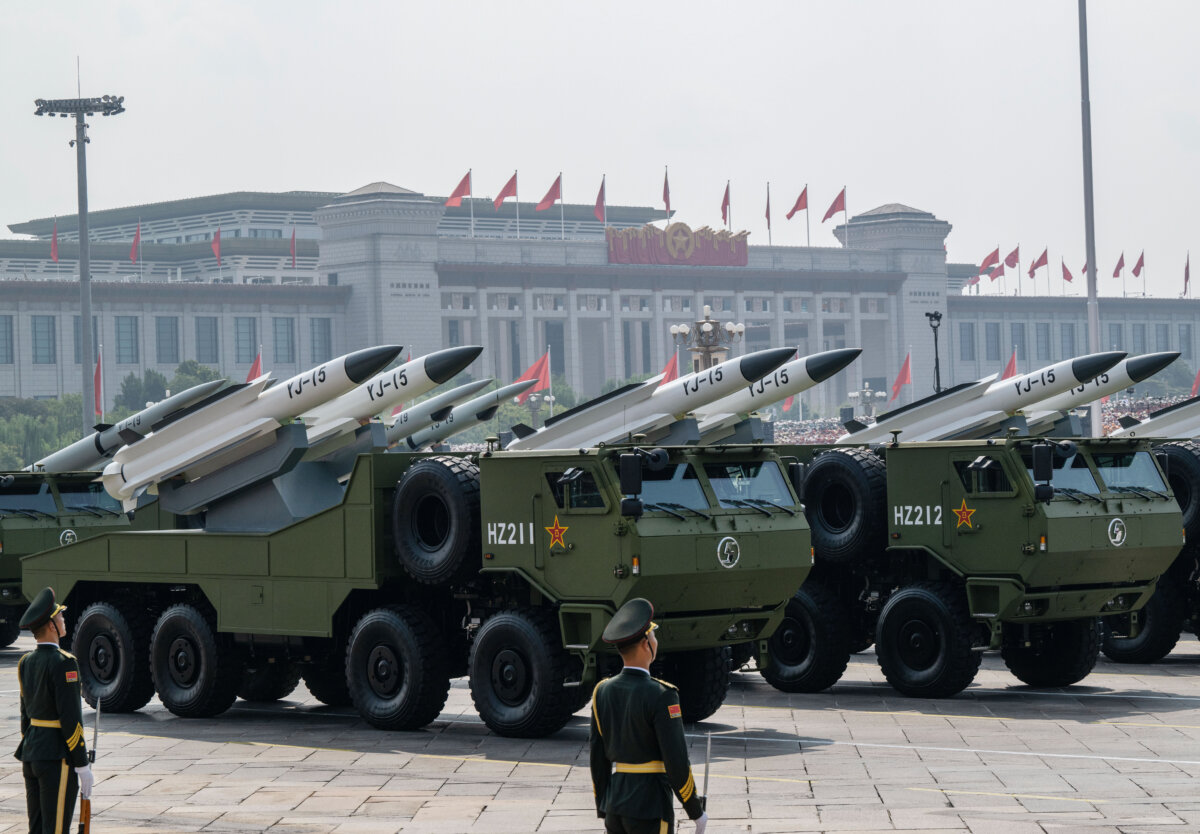

Beijing’s continued punitive actions against Tokyo could further weaken fragile bilateral relations and heighten the risk of miscalculation in the Indo-Pacific, experts warn.
The Chinese Ministry of Foreign Affairs announced sanctions against a Japanese lawmaker on March 30 for his repeated visits to Taiwan—a self-governed democracy that China has never ruled but has vowed to annex by force.
Keiji Furuya, a Japanese politician of the ruling Liberal Democratic Party (LDP), has been barred from China, Hong Kong, and Macau since the notice.
The move follows his March 16 meeting with Taiwanese President Lai Ching-te.
Earlier, the Chinese Communist Party (CCP) on March 27 dismissed Tokyo’s response to an intrusion at the Chinese Embassy as “far from enough,” demanding that Japan provide a responsible resolution.
Its rebuke directly responded to Japanese Defense Minister Shinjiro Koizumi, who stated earlier that same day that the embassy breach was “deeply regrettable.”
The dispute stems from March 24, when a 23-year-old Japan Ground Self-Defense Force (GSDF) second lieutenant scaled a barbed-wire fence and broke into the Chinese embassy in Tokyo.
Beijing has grown increasingly hostile toward Japan following November remarks by Prime Minister Sanae Takaichi, who said Japan would be justified in deploying its Self-Defense Forces in the event of an attack on Taiwan.
Since then, China has implemented coercive economic measures, including export controls targeting 20 Japanese entities starting in February and warnings for its citizens to avoid traveling to Japan.
Steady Pressure
Bonnie Yushih Liao, a senior research fellow at the Japan Forum for Strategic Studies (JFSS) in Tokyo, said that if Beijing deems Japan’s response to the embassy intrusion “not enough,” it is unlikely to overreact in a single dramatic move, but could tighten pressure in both immediate and cumulative ways.
“Based on past practice, China has demonstrated a willingness to adopt short-term punitive measures that are highly visible and politically effective,” Liao told The Epoch Times.
“However, these are rarely ends in themselves. China’s strategy is about creating a steady sense of pressure that raises costs for the other side over time.”
Liao said she expects a wider pattern of sustained diplomatic pressure from Beijing to emerge.
“Targeted economic or administrative friction, and increased maritime activity around the Senkaku Islands [by Beijing] are measures that signal resolve without crossing into open confrontation,” she said.
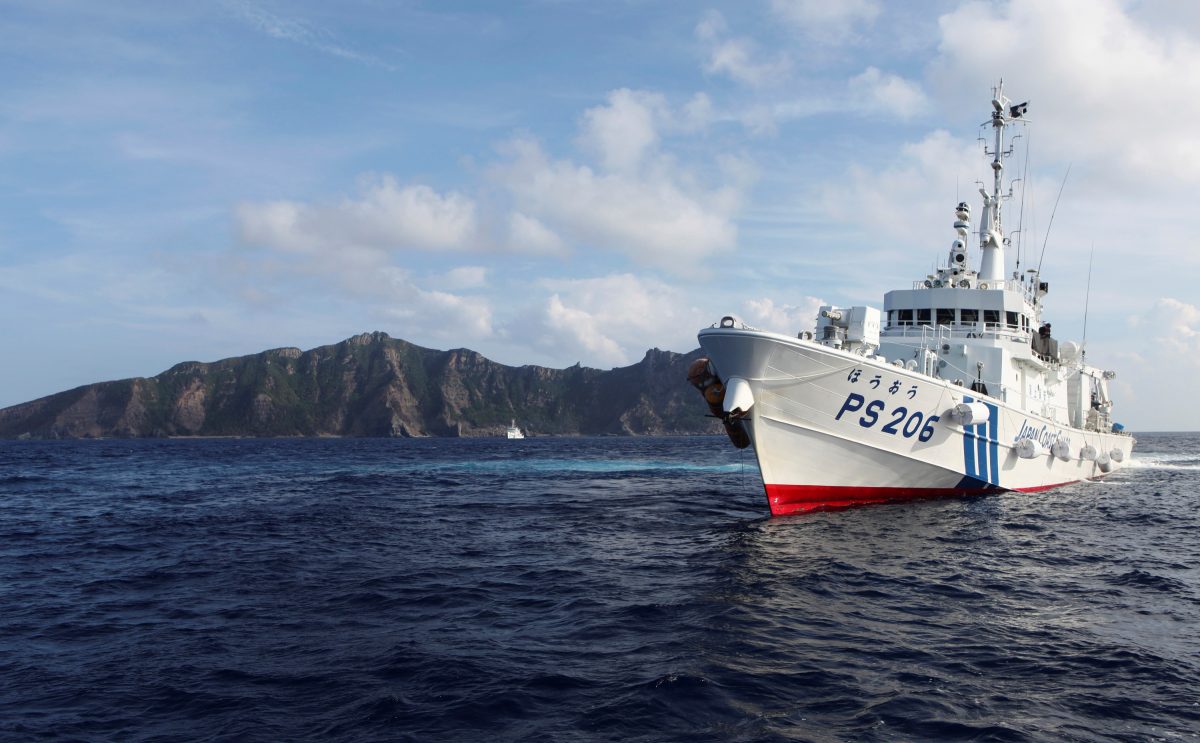
The Senkaku Islands are disputed territory in the East China Sea administered by Japan but also claimed by Taipei and Beijing, with China regularly dispatching vessels that linger in the surrounding waters.
John Lim Chuan-tiong, a research fellow at Tokyo University’s Institute for Advanced Studies on Asia, said that given the rapidly deteriorating Japan–China relations, sanctions against Japanese officials, as seen in the case of Keiji Furuya, will likely increase.
“Because the Chinese government has labeled Japan’s recent actions as ‘remilitarization,’ there are no signs that Beijing will stop this pressure against Tokyo in the short term,” Lim told The Epoch Times.
“However, when Beijing imposed travel bans and asset freezes on Japanese lawmaker Hei Seki over his visit to Taiwan, it only boosted his public profile, so the broader effectiveness of future CCP sanctions remains to be seen.”
Strains Intensify
Liao said the embassy intrusion comes at a highly sensitive time, further fraying Japan–China relations ahead of the U.S.–China bilateral meeting set for May 14–15 in Beijing between U.S. President Donald Trump and Chinese leader Xi Jinping.

Within this consequential geopolitical landscape, Liao said the CCP is magnifying the incident to keep Japan–China tensions high.
“For Beijing, maintaining a firm posture toward Japan could reinforce China’s position as a regional power unwilling to tolerate perceived ‘provocations,’” Liao said.
“It also signals strength ahead of high-stakes negotiations with Washington.”
Liao said Tokyo increasingly recognizes that Beijing is applying simultaneous diplomatic, military, and economic pressure, pushing bilateral relations into a prolonged period of structural confrontation.
“[Such pressure would cause] a gradual hardening of attitudes on both sides, reflected in more cautious diplomacy, declining political trust, and a stronger emphasis on deterrence and preparedness in Tokyo,” Liao said.
However, Lim cautioned that the CCP risks a major diplomatic failure on its home turf if this hostility toward Japan persists until the end of the year.
“Beijing holds the initiative in Japan–China relations, not Tokyo, but under current Chinese policies, there are no immediate signs of these frozen ties improving,” Lim said.
“If China fails to de-escalate, it may struggle to hold smooth talks with the Japanese leader at the November Asia-Pacific Economic Cooperation (APEC) summit in Shenzhen this year, making it harder to portray the event as a success.”
Miscalculation in Pacific
Edo Naito, a retired international business attorney and political analyst specializing in Japanese law and foreign relations, said Beijing will likely continue provocations in the East and South China Seas, even if these efforts yield limited impact due to Tokyo’s strategic backing.
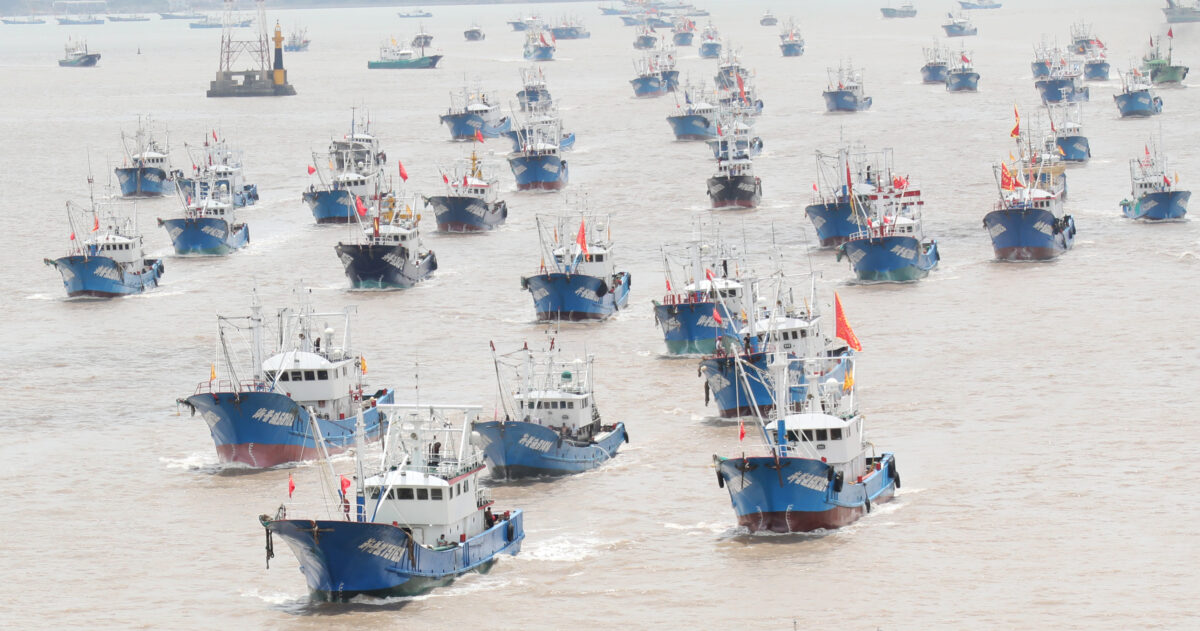
“Japan will continue on its current plans to create the strongest possible deterrence along the Japanese archipelago and extend support to our [Japan’s] neighbors in the first island chain,” Naito told The Epoch Times.
The first island chain includes mainland Japan, the Ryukyu Islands, Taiwan, the Philippines, and Borneo, which analysts believe serves as a strategic buffer preventing China’s military from freely projecting power into the Pacific Ocean.
Japan’s Defense Ministry said on March 31 it stationed domestically developed longer-range missiles in Kumamoto Prefecture and new ultra-fast gliding weapons in Shizuoka Prefecture. This marks the first time the country has positioned such advanced armament to build its counterstrike capabilities.
Liao said Beijing’s relentless intimidation toward Tokyo is actively accelerating security alignments across the Indo-Pacific.
“Countries are drawing closer not only because of formal alliances, but because of a shared perception that coercion is becoming normalized,” she said.
Liao said the CCP’s retaliatory economic measures are also driving Indo-Pacific nations with deep trade ties to Beijing to accelerate economic de-risking.
“The lesson many governments and businesses are taking is clear: economic ties can be turned into leverage, and overdependence carries strategic risk,” she said.
Liao said these constant, routine hostile maneuvers are altering Indo-Pacific security architectures by making the threshold for escalation harder to define.
“The real danger is not a single crisis but a region increasingly defined by constant, low-level coercion,” Liao said.
“Over time, this kind of environment erodes predictability, increases the risk of miscalculation, and makes even small incidents more likely to spiral into something much larger.”
 Friends Read Free
Copy
Facebook
Tweet
Friends Read Free
Copy
Facebook
Tweet