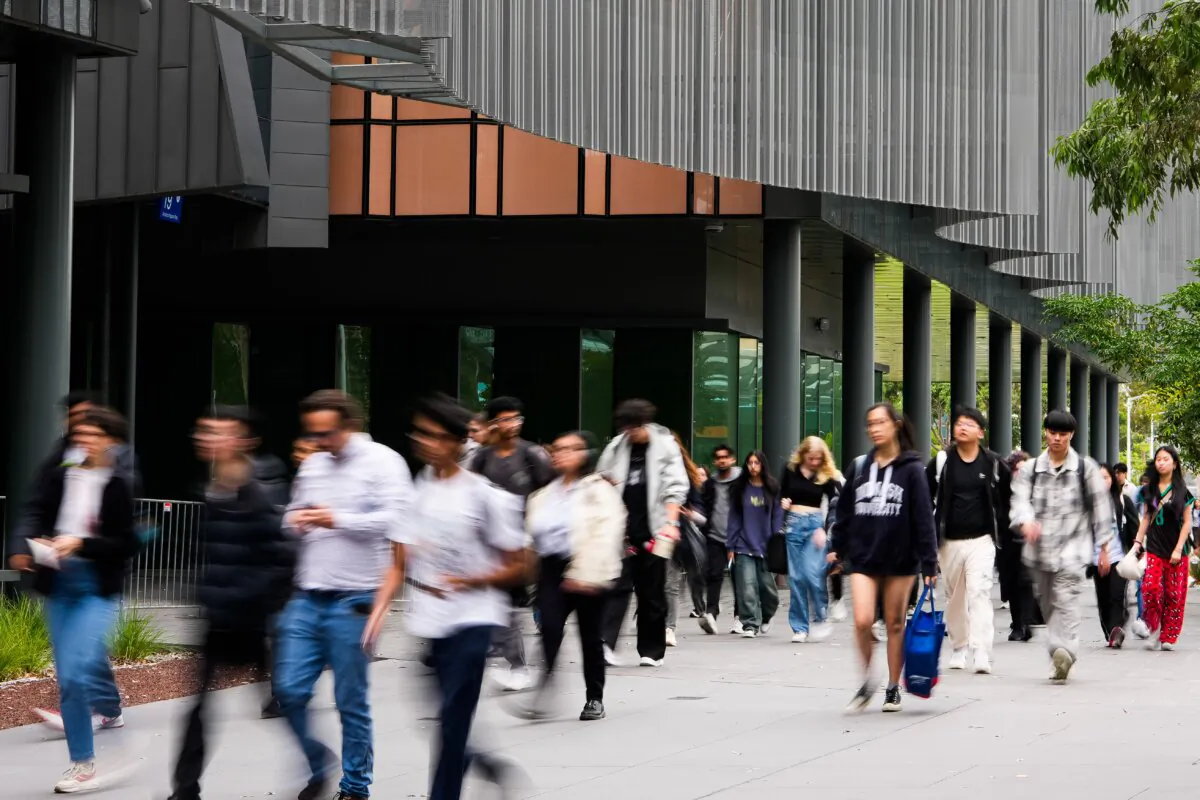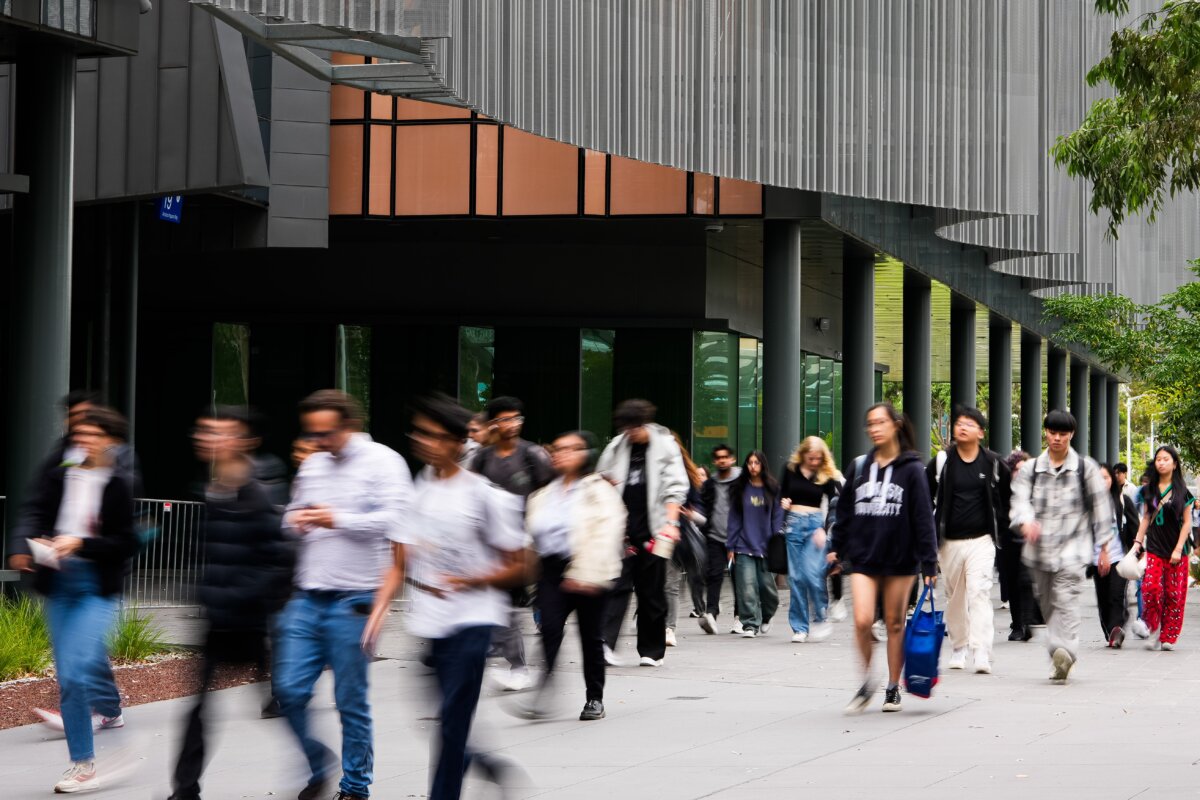

Chinese-linked academics, who’ve contributed disproportionately to Australian research in the past, are leaving the country in droves, according to an Australia-China Relations Institute webinar.
Sun Wanning, deputy director of the Institute, claimed there was a “brain drain” of Chinese researchers amid heightened scrutiny of sensitive research being stolen.
“I’ve been told the brain drain is happening right now, as has happened for quite a few years, and it’s happening at all levels: professors, senior professors, to postdocs,” Sun said.
The academic also said some researchers had been invited to join the panel, but none were willing.
“I think there are many reasons for them not to talk, even though it is their academic freedom to talk,” he said.
National security restrictions were seen as a major obstacle by many of the people he’d spoken to, Sun said.
“They agree with the principle of it. But what they’re saying to me is that what’s happening now is … excessive securitisation.”
Sun said many were Australian citizens or permanent residents.
Chinese academics have come under scrutiny in recent years amid concerns research with potential “dual-use” applications are being channeled into the Chinese Communist Party’s (CCP) military complex.
These include products, software, or systems that are primarily designed for civilian or commercial applications but can be easily adapted or repurposed for military, defence, or intelligence purposes.
A recent report by Strider Technologies, a strategic intelligence firm, found over 6.500 joint research projects have been produced via partnerships between CCP-linked institutions and Australian or New Zealand universities.
It found the most prolific partnerships were with the so-called “Seven Sons of National Defence”—institutions closely linked to the CCP People’s Liberation Army.
Meanwhile, Sun also revealed some academic staff told him any application for research funding that involved collaboration with China are being heavily scrutinised.
“Some faculties are even putting hurdles [in front of] their researchers to recruit Chinese students, to co-author papers, with a China-based researcher, and even to invite some scholars to come to visit Australia to a conference, or to go to China to attend conferences,” he said.
“They don’t feel that they understand fully the politics behind this,” Sun said.
John Ross, Asia Pacific editor of the Times Higher Education, pointed out that senior academics would also be feeling pressure from Beijing.
“The Chinese are really pushing, for various reasons, to have a lot more joint ventures on Chinese soil, rather than having this sort of export-oriented sort of brand of international education that’s happening now,’ he said.
“I think that there are real issues, potentially. Australian universities will be tacitly pressured to accept limitations to academic freedom that just wouldn’t fly in Australia. And all those MOUs (memorandums of understanding) that Australian universities signed with Chinese universities [and] institutions … try and find ones that are public. So we don’t really know what’s going on.
 Friends Read Free
Copy
Facebook
Tweet
Friends Read Free
Copy
Facebook
Tweet