
Colombia’s presidential election on May 31 yielded no clear winner and is now headed to a runoff on June 21.
No candidate secured an outright majority—more than 50 percent—in the first round of voting, sending the two leading candidates to a runoff, although outgoing leftist President Gustavo Petro is challenging the results.
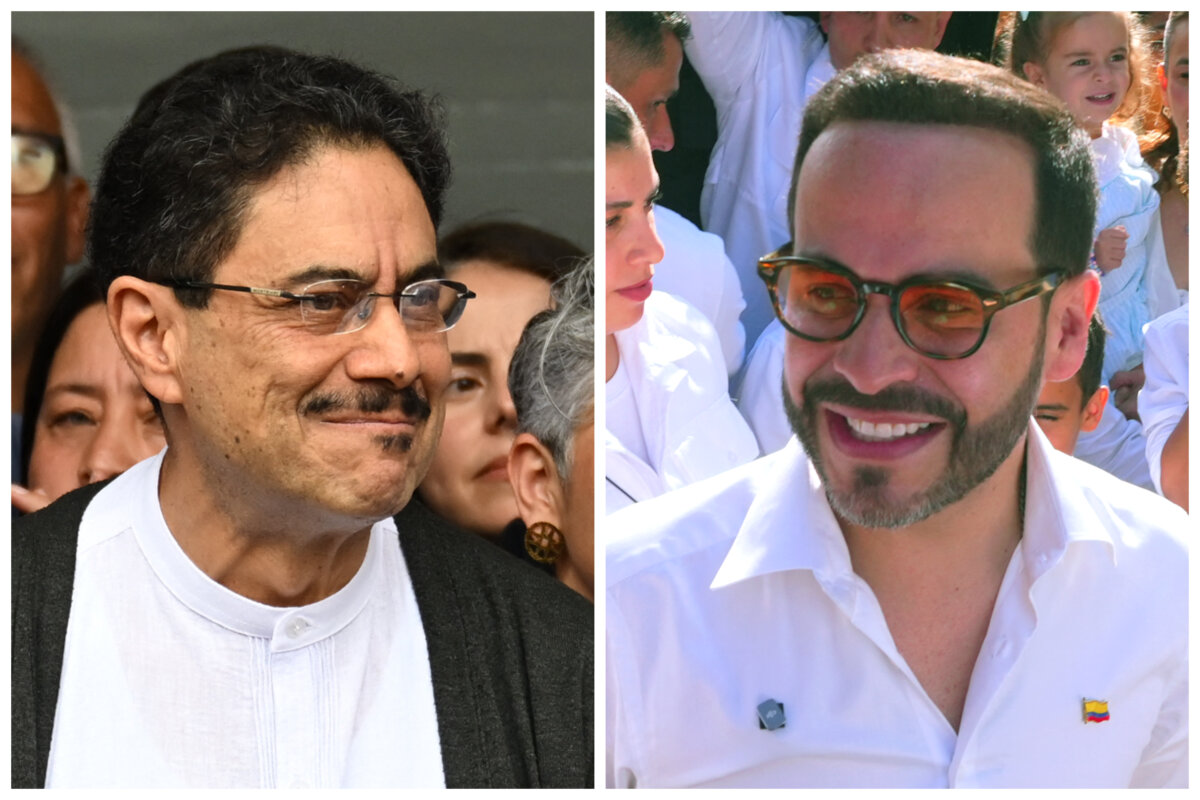
The first-round results showed right-leaning political outsider, lawyer Abelardo de la Espriella, ahead with about 43.7 percent support or 10.36 million votes, with 99.9 percent of the vote counted in election night preliminary results from the national registry office.
A left-wing ally of Petro, Sen. Iván Cepeda, was in second place, with about 40.9 percent support or 9.69 million votes.
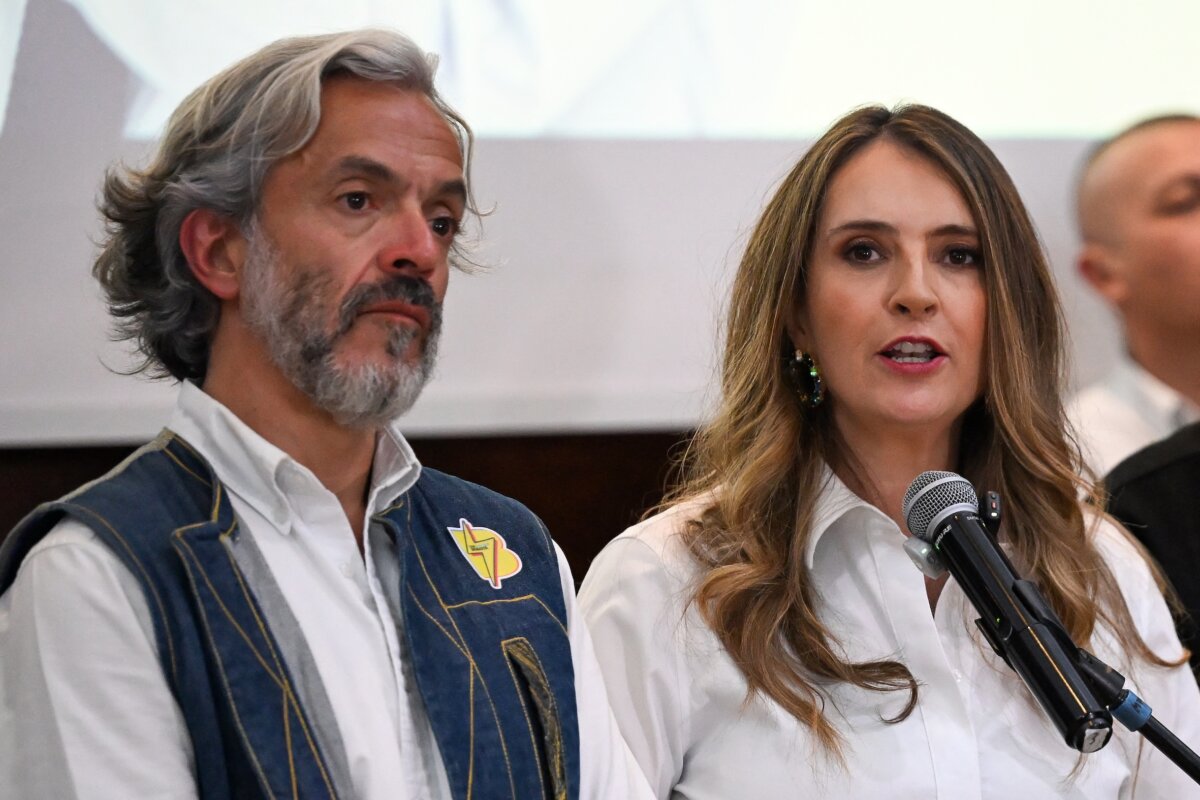
The establishment right-wing candidate, Sen. Paloma Valencia of the Democratic Center party, with 6.9 percent support, or 1,639,683 votes, was pushed out of the race, followed by fourth-place centrist party Dignity and Commitment’s Sergio Fajardo Valderrama with 4.2 percent support, or 1,009,069 votes.
The preliminary results will now go through a process of review by electoral commissions and judges, with the official results usually coming within days.
Figures from the registry office show low voter turnout for the presidential race, with just more than half of the 41 million eligible voters casting ballots.
Petro claimed potential fraud in an X post, saying he will only accept election results that come through a judge-led scrutiny process.
“The so-called transmitted count has no binding force,” he wrote, saying he would not accept the election night vote tally by a private firm he accused of adding “800,000 ballots for individuals who are not in the official census presented.”
“Its data are not public norm.”
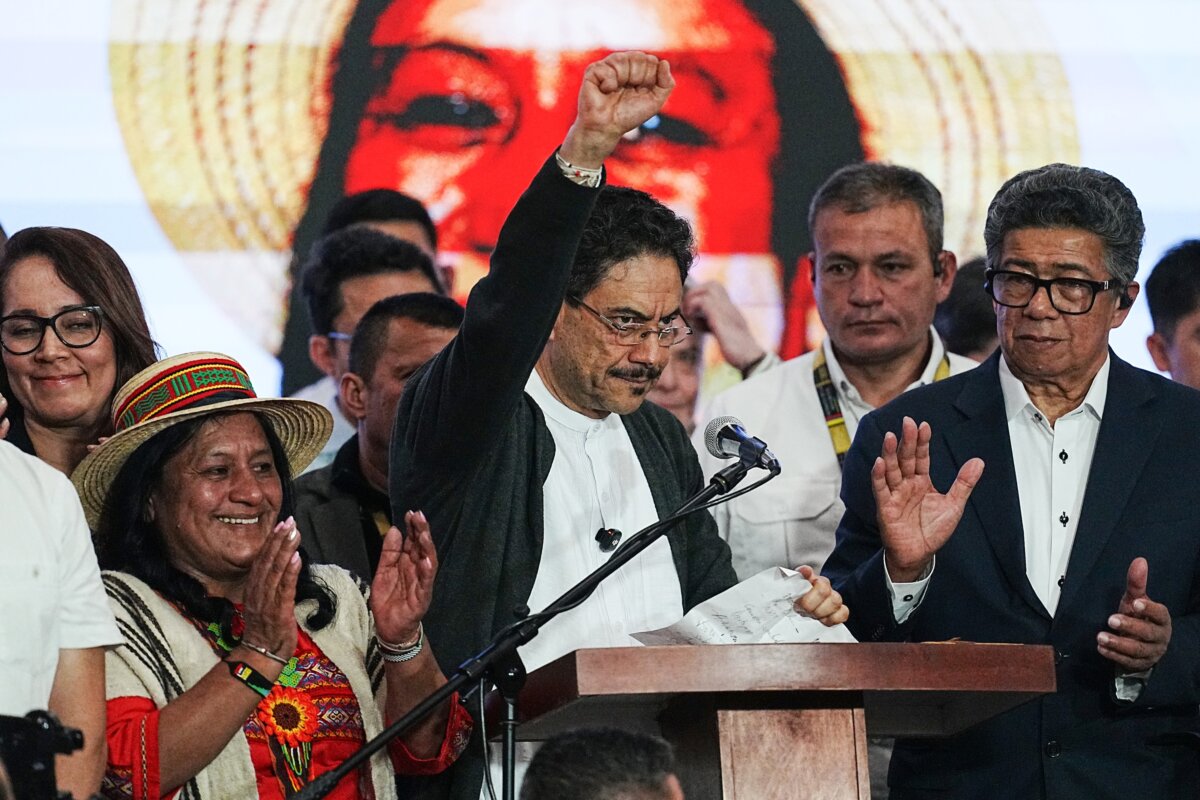
Shortly after, Cepeda made comments at his election watch party, refusing to accept the election night results. He later said in a post on X just before 8 p.m. local time that he could win the second round of the presidential election.
“My name is Iván Cepeda Castro, this is just beginning, and I will be your President in the Second Round,” he wrote.
Surveys suggest that Cepeda would be at a disadvantage in a two-candidate runoff, as right-leaning and centrist voters would no longer have other candidates to choose from and would more likely support de la Espriella.
Valencia—who had led right-wing candidates in polling until March, when de la Espriella took over mid-campaign—asked her supporters to vote for de la Espriella to “defeat Cepeda and communism” in the second round of the election after the results came in.
“We cannot allow the continuation of a useless and corrupt government or the installation of neo-communism,” she said in a concession speech. “Colombia will not fall.”
Regarding Pedro and Cepeda disputing the election result, Valencia said in a post on X: “The President of the Republic cannot disregard the electoral system simply because of his personal enmities with a company. It is an affront to democracy and a worrying path toward refusing to acknowledge his defeat in the second round.”
Referendum on Petro’s Legacy
The 2026 presidential election is widely seen as a referendum on Petro’s legacy, with voters to decide whether to continue with the leftist agenda or pivot back to the right.
Cepeda, 63, who had been leading in the opinion polls, is the candidate for Colombia’s main left-wing party, the progressive and democratic socialist Pacto Historico, and the son of a murdered communist leader.
He has been in Congress for 16 years, first elected in 2010, when he served one term in the House, before being elected to the Senate for three consecutive terms.
He has promised to continue Petro’s negotiations for peace deals with illegal armed groups—an approach that has seen little progress.
He also plans to deepen reforms meant to reduce inequality and poverty, including by raising taxes on high-income earners, granting 1 million hectares (2.47 million acres) to victims of the country’s six-decade internal conflict, and expanding healthcare coverage.
Running on a “Defenders of the Fatherland” platform for stronger security and more market-oriented policies, de la Espriella, 47, says that poverty reduction needs to come through long-term efforts such as better education, healthcare, and housing for the poorest.
He is known for his tough-on-crime policies, including promises to build 10 of Colombia’s own mega-prisons, such as those in El Salvador, and allowing the military to crack down on cartels and illegal armed groups in troubled rural areas of the country.
Positioning himself as an outsider free from political baggage, de la Espriella expressed admiration for figures including U.S. President Donald Trump and El Salvador President Nayib Bukele.
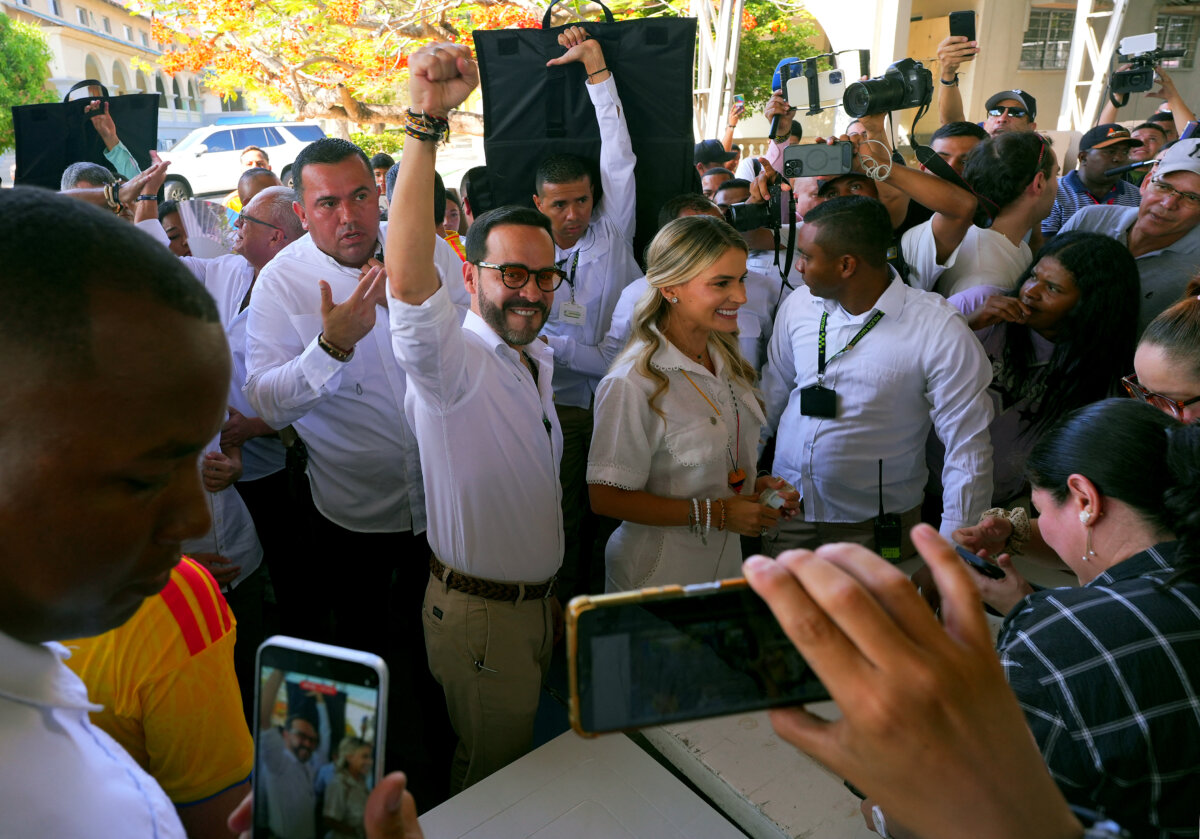 Colombia’s presidential candidate Abelardo de la Espriella, of the Salvadores de la Patria movement, greets supporters accompanied by his wife Ana Lucia Pineda before voting at a polling station during the presidential election in Barranquilla, Colombia, on May 31, 2026. (Vanessa Romero/AFP via Getty Images)
He warned that a continuation of Petro’s economic policies under Cepeda, including a ban on new oil projects, would deter much-needed investment in the country.
“Let’s defeat tyranny and absolutism!” de la Espriella said of the runoff in a May 31 post on X.
Colombia’s constitution currently limits a president to a single four-year term, with no possibility of reelection.
Reuters contributed to this report.
 Friends Read Free
Copy
Facebook
Tweet
Friends Read Free
Copy
Facebook
Tweet