Cuba stated on Jan. 4 that 32 of its officers died during the U.S. military strikes in Venezuela that led to the capture of Venezuelan leader Nicolás Maduro, who faces criminal charges in the United States.
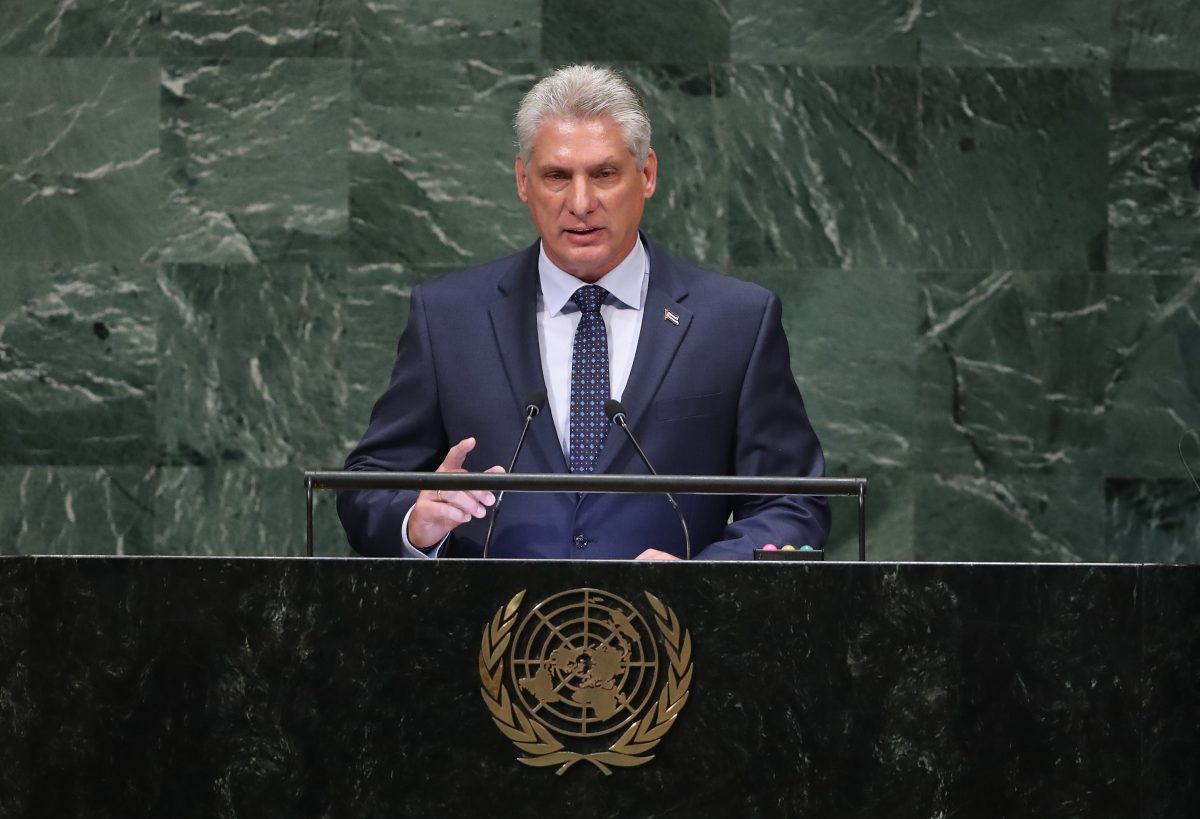
In a statement, Cuban President Miguel Díaz-Canel Bermúdez declared Jan. 5 and Jan. 6 to be national days of mourning to honor officers who died during what he called “vile military aggression by the United States against Venezuela.”
Cuba’s government stated that the officers were members of the Cuban armed forces and the Cuban Interior Ministry who had been deployed to Venezuela to perform missions requested by the Venezuelan government, according to state-owned media outlet Granma.
“I share the pain and indignation of our people, and especially of the loved ones of our brave comrades,” Bermúdez said in a Jan. 5 post on X. “As I embrace their families and friends in this tragic hour, I reiterate my deep affection, admiration, and pride in them and in their heroic conduct.”
U.S. President Donald Trump told reporters that “a lot of Cubans” were killed while “trying to protect” Maduro during the U.S. strikes on Jan. 3, noting that there were no casualties reported on the U.S. side.
Cuba’s communist regime is a known ally of the Venezuelan government and has, for years, provided military and police to assist Venezuela in operations.
U.S. Secretary of State Marco Rubio said on Jan. 4 that Cuba’s regime has been “propping up” Maduro and that the Venezuelan leader’s internal security apparatus was “entirely controlled by Cubans.”
“The ones who have sort of colonized, at least inside the regime, are Cubans. It was Cubans that guarded Maduro. He was not guarded by Venezuelan bodyguards,” he told NBC News.
Rubio also noted that Cuban personnel oversaw internal intelligence within Maduro’s government, tasked with spying “to make sure there are no traitors” in his regime.
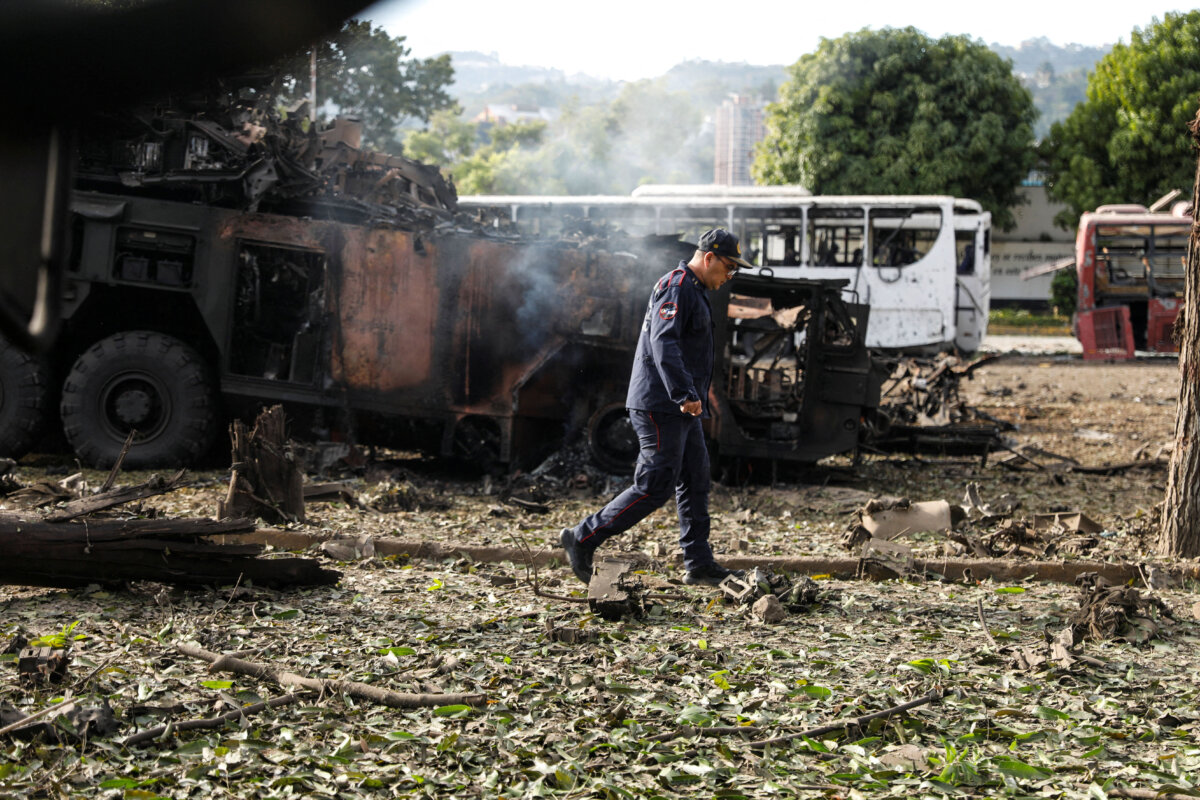
U.S. forces carried out airstrikes on Venezuela’s capital, Caracas, on Jan. 3 and captured Maduro and his wife, Cilia Flores, from their residence to face drug and arms-related charges in the United States.
Following Maduro’s capture, Venezuelan Vice President Delcy Rodríguez was named interim president by the country’s Supreme Court and recognized as such by military officials.
Bermúdez condemned the U.S. operation in a follow-up post on X.
“We call on the international community not to allow an aggression of this nature and gravity against a UN Member State to go unpunished, nor to allow the kidnapping, through a military operation, of the legitimate and sitting president of a sovereign country without facing consequences,” he said.
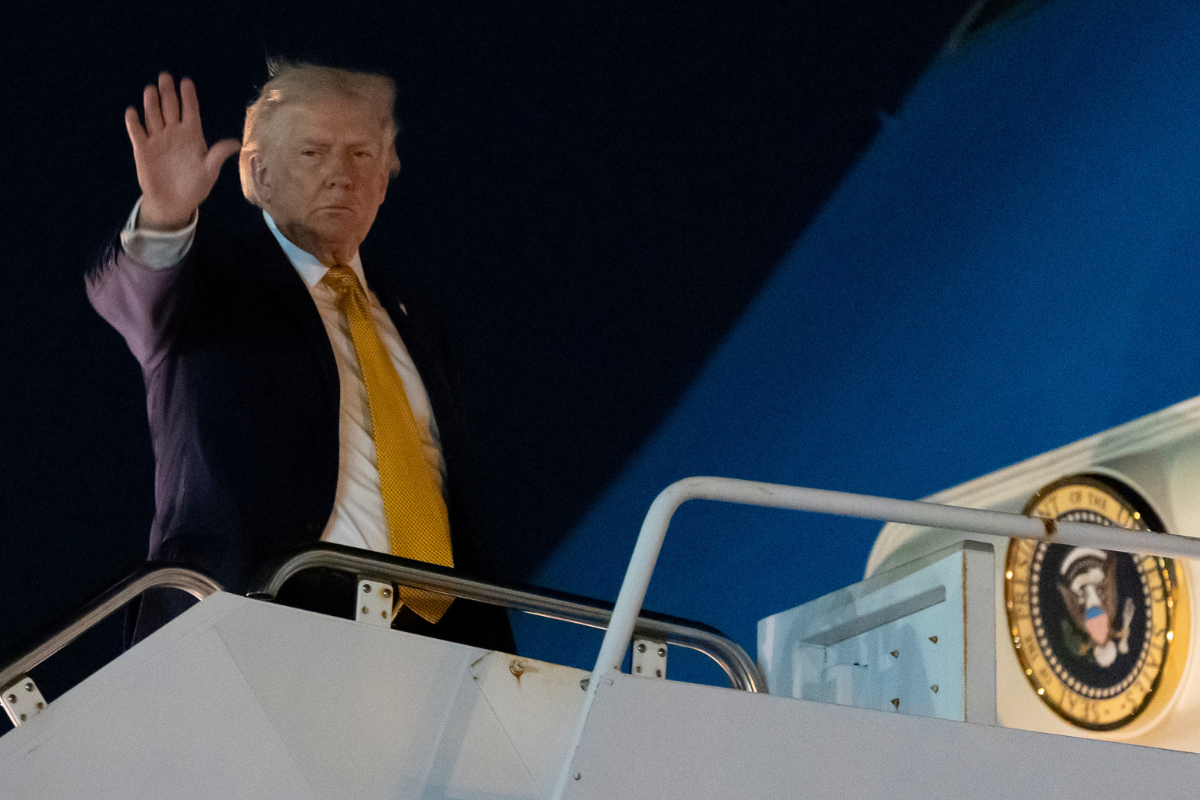
Speaking to reporters aboard Air Force One on Jan. 4, Trump said he expects Cuba’s regime to collapse in the aftermath of Maduro’s arrest, noting that Cuba will no longer receive income from Venezuela.
“They got all of their income from Venezuela, from the Venezuelan oil. They’re not getting any of it,” the U.S. president said. “I think it’s just going to fall. I don’t think we need any action.”
 Friends Read Free
Copy
Facebook
Tweet
Friends Read Free
Copy
Facebook
Tweet