Cuba said on March 5 that a fifth man has died following an incident on Feb. 25 involving a Florida-registered speedboat in Cuban waters.
Cuban soldiers confronted a speedboat carrying 10 people as the vessel approached the island and opened fire on the troops, who fired back, killing four and wounding six, according to Cuban authorities.
Roberto Alvarez Avila died on March 4 in a hospital where he had been since being injured in the incident, Cuban authorities said.
Cuba has accused those on the boat of planning to invade the island and unleash terror attacks. On March 4, Cuban prosecutors filed terrorism charges against the men detained on Feb. 25.
The Prosecutor’s Office in Havana said in a statement that it would ensure “due process.”
Cuban Chief Prosecutor Edward Robert Campbell said that the charges carried maximum sentences of up to 30 years in prison or even the death penalty.
Cuba has not carried out the death penalty since April 2003, when three men were executed on terrorism charges after hijacking a ferry and trying to take it to the United States.
On Feb. 26, Cuba’s deputy foreign minister, Carlos Fernández de Cossío, said the communist regime in Havana was in communication with the United States over the incident.
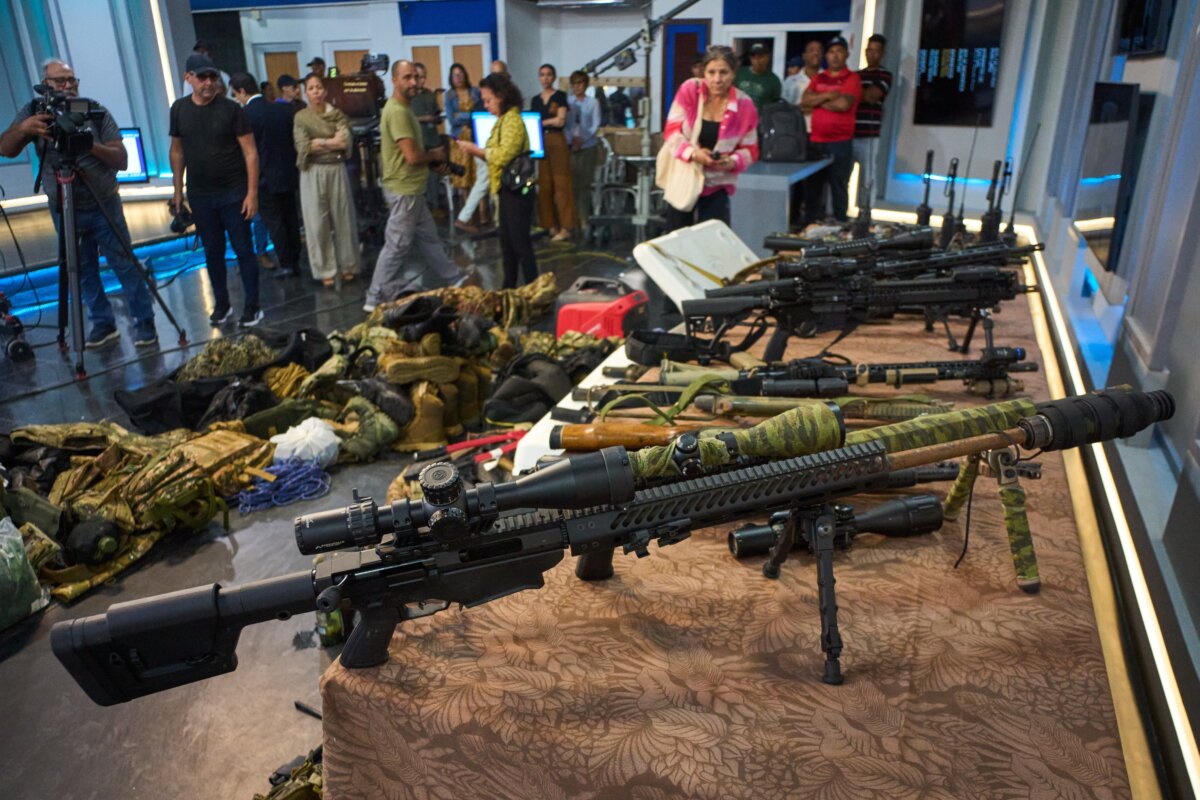
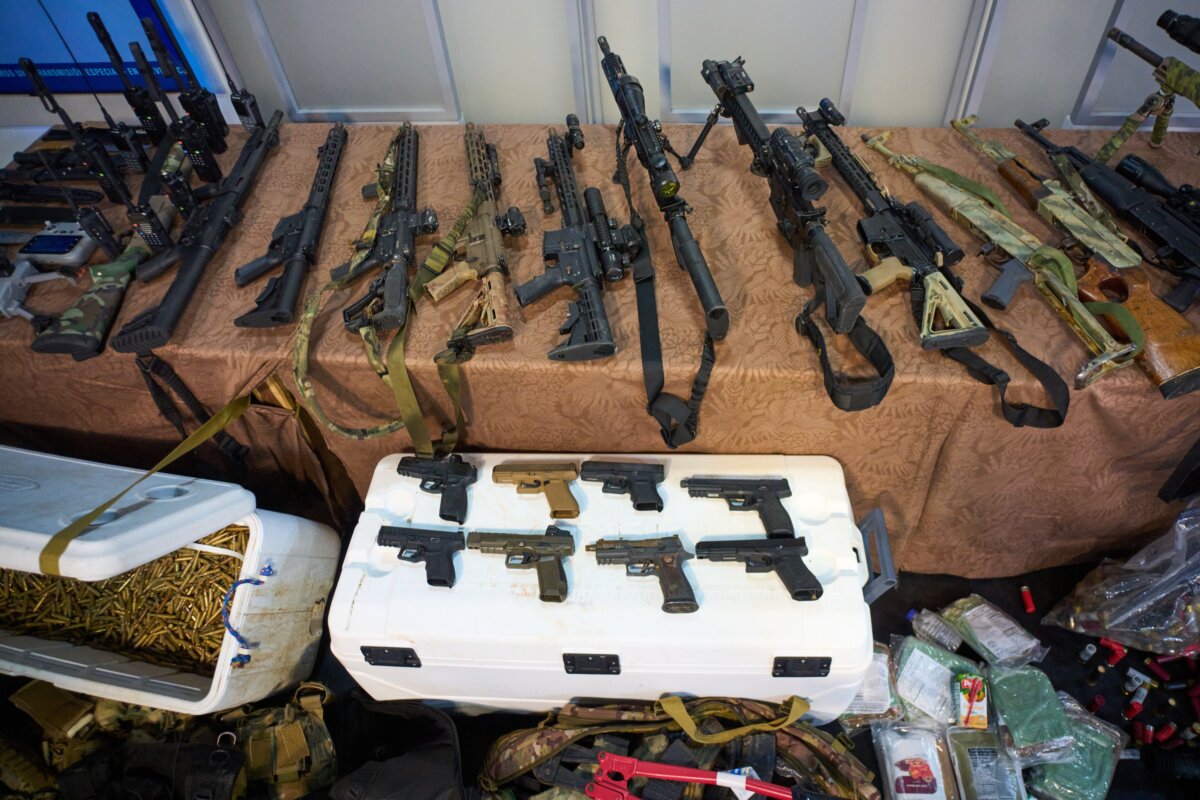
Cossío said assault rifles, pistols, sniper rifles, night vision equipment, bayonets, camouflage clothing, and communication equipment were found on the boat, along with “a large number of insignia from counterrevolutionary terrorist organizations.”
Weapons Displayed to Media
On Feb. 27, many of the weapons were displayed to the media, but there is no independent verification of their origin.
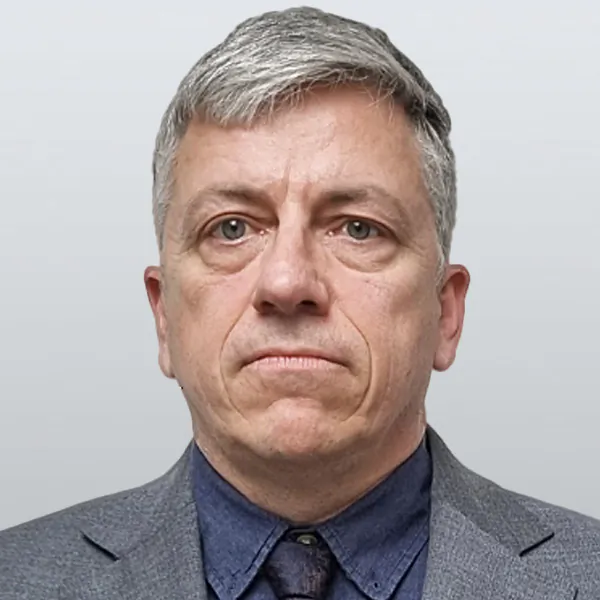
The Cuban regime has said Maritza Lugo Fernandez, a former dissident who went into exile in the United States in 2000, was responsible for organizing and funding the operation, according to the regime’s newspaper, Granma.
“Let them investigate me as much as they want. I am at peace,” Fernandez said in a March 3 statement in response to the allegations, according to Miami-based news website Univision. “I am the one who accuses them of so many murders and deaths among our people.”
The Epoch Times reached out to Fernandez for comment, but did not receive a response by publication time.
In a Feb. 28 post on Facebook, she wrote: “There is no greater act of love and sacrifice than giving one’s life for one’s brothers and the homeland. Down with the murderous Castro-Canel communism. Fire to the dictatorship.”
U.S. President Donald Trump said on March 5 that he would address the situation in Cuba soon, calling it “just a question of time.”
Trump praised U.S. Secretary of State Marco Rubio for his efforts in Cuba and Venezuela.
“What’s happening with Cuba is amazing,” Trump said.
A U.S. State Department spokesman told The Epoch Times in an emailed statement, “The Cuban regime has not responded to repeated official requests by U.S. Embassy Havana for consular access and information regarding claimed U.S. citizens allegedly involved in the boat incident.”
The Associated Press and Reuters contributed to this report.
 Friends Read Free
Copy
Facebook
Tweet
Friends Read Free
Copy
Facebook
Tweet