
The Parliamentary Budget Officer (PBO) estimates that the deficit for the next federal budget will increase “sharply” to $68.5 billion.
In his economic outlook published Sept. 25, PBO Jason Jacques projects the government’s budget, set to be introduced on Nov. 4, will show the deficit is up from $51.7 billion in the 2024–25 fiscal year to $68.5 billion in 2025–26. This means the budgetary deficit would increase from 1.7 percent of GDP to 2.2 percent.
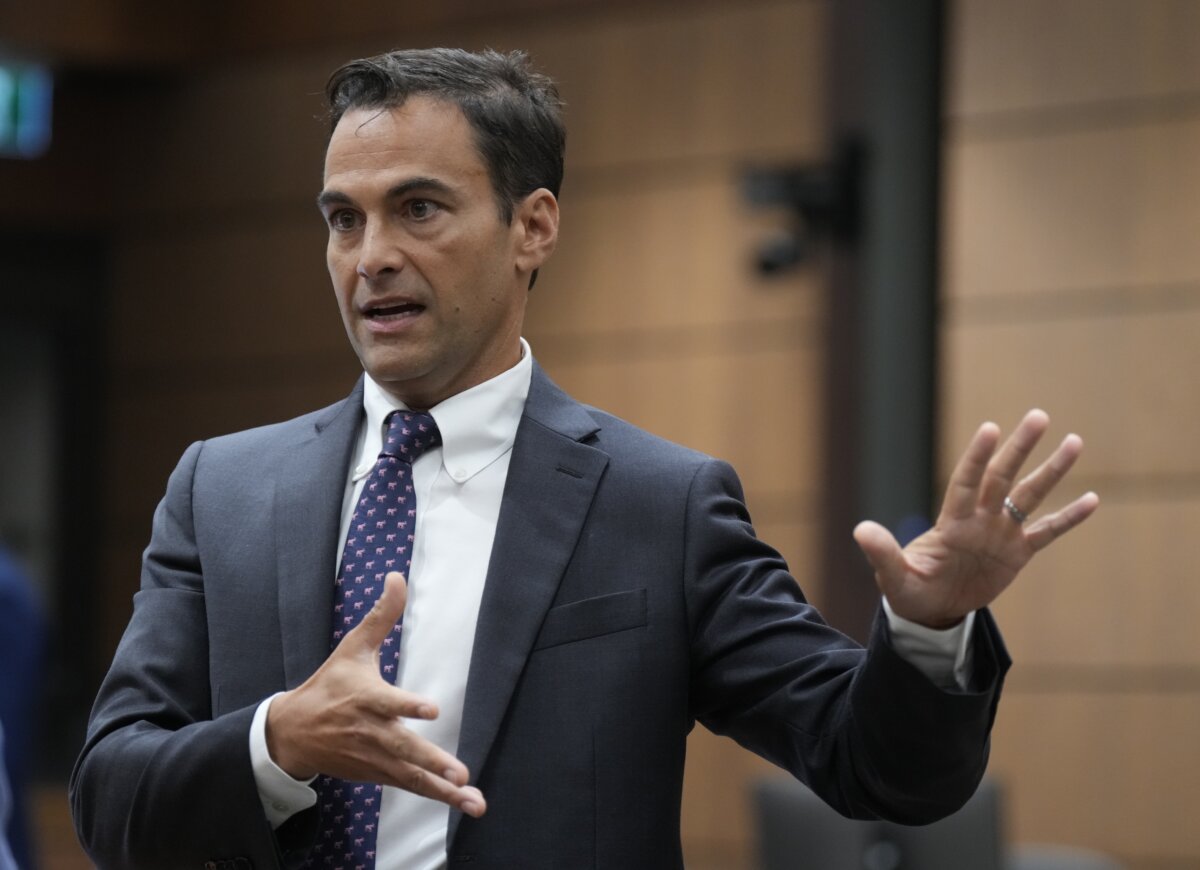
“I think everybody should be concerned… It’s a really serious day,” Jacques told the government operations committee on Sept. 25.
Jacques said the PBO’s report marked the first time in 30 years that the “general and probably most important fiscal anchor” is increasing instead of decreasing, or remaining stable. Jacques also said he hoped the Liberal government would indicate what it will do to address this as part of its upcoming budget.
The PBO report said the decline in Canada’s finances reflects “weaker economic growth and additional measures impacting both revenues and expenses.” The report said that assuming no new measures are introduced and the existing temporary measures disappear as scheduled, the budget deficit will “decline slightly” but remain close to $60 billion through the medium term.
The federal debt-to-GDP ratio is also projected to increase from 41.7 per cent in 2024–25, to over 43 percent over the medium term due to “persistent budgetary deficits” of over 1 percent of GDP.
The PBO’s projections do not include the government’s plans to gradually increase defence spending to meet the updated NATO target of 5 percent of GDP on defence spending by 2035. It also excludes Ottawa’s plans to reduce expenditures in the public service.
Former Parliamentary Budget Officer Yves Giroux had projected in March that the budget deficit would fall to $50.1 billion in 2024–25, but the office now projects it will be $26.6 billion higher due to new measures announced by the government that reduce projected revenues and increase program expenses.
The PBO predicts the debt service ratio will increase from 10.3 percent in 2023–24 to 10.7 percent in 2024–25, while it could reach 13.7 percent by 2030–31 as federal debt rises faster than government revenues.
Ottawa is expected to collect $8 billion in countermeasure tariff revenues from 2025 to 2027, with that revenue being returned to sectors impacted by U.S. tariffs, such as the automotive, steel and aluminum, oil and gas, and fertilizer sectors.
During the last federal election, Prime Minister Mark Carney’s platform projected there would be a deficit of $62.3 billion in the 2025–2026 financial year, which was $20 billion more than the last official projection in the Fall Economic Statement of 2024.
However, the Liberal government announced in June that Canada would increase its military spending to meet the NATO target of 2 percent of GDP on defence by the end of the current fiscal year, which could cost an additional $9.3 billion. On Sept. 14, the Liberals also announced $13 billion in funding to create the new agency Build Canada Homes, which would involve building affordable housing on government-owned land.
Jacques told the government operations committee on Sept. 25 that “everybody should be concerned” about Canada’s rising debt-to-GDP ratio, as the PBO’s report marked the first time in 30 years that the “general and probably most important fiscal anchor” is increasing instead of decreasing or remaining stable. Jacques said he hoped the Liberal government would indicate what it will do to address this as part of its upcoming budget.
Jacques had previously told the committee on Sept. 16 that he was concerned with the federal government apparently not having any fiscal anchors to rein in spending. He noted that the previous Liberal government under Prime Minister Justin Trudeau had the anchors of keeping Canada’s annual deficit at 1 percent of GDP, as well as maintaining a declining debt-to-GDP ratio.
Carney promised during the last election that his government would run a “small deficit on capital spending that aligns with our fiscal capacity,” while ensuring government debt-to-GDP continues to decline. Carney did not release a budget or economic plan in the spring of 2025 after becoming prime minister and forming government, instead promising to table a budget when Parliament resumed in the fall.
 Friends Read Free
Copy
Facebook
Tweet
Friends Read Free
Copy
Facebook
Tweet