
The U.S. Department of Homeland Security has automatically extended the temporary protected status for Lebanese nationals living in the United States for six months following the expiry of the designation, according to a May 28 statement from U.S. Citizenship and Immigration Services (USCIS).
A temporary protected status (TPS) designation is granted to nations facing environmental disasters, armed conflict, an epidemic, or other extraordinary, temporary conditions. The designation allows citizens from these nations to live and work in the United States. When the secretary of the Department of Homeland Security (DHS) determines that conditions in their homeland are no longer dangerous, the TPS designation can be ended.
If the DHS secretary fails to make a decision on TPS eligibility at least 60 days before it expires, the designation is automatically extended for 6 months, USCIS said. The TPS designation granted to Lebanon was scheduled to expire on May 27.
Former DHS Secretary Kristi Noem and current DHS Secretary Markwayne Mullin “were unable to make an informed determination on Lebanon’s TPS designation by the March 28, 2026, statutory deadline due to the dynamic and quickly unfolding events in Lebanon that required a new review of country conditions and impacted the ability to provide information for Secretarial consideration,” USCIS said.
Lebanon has been given a “Level 4—Do not travel” status by the U.S. Department of State, the most severe of the four travel advisory levels, according to a May 6 State Department travel advisory.
“Do not travel to Lebanon for any reason due to the risk of crime, terrorism, unrest, kidnapping, landmines, and armed conflict,” the State Department said.
Terrorist groups such as Hamas, Hezbollah, and ISIS continue plotting potential attacks against Lebanon, the department warns, adding that terrorists may carry out attacks with little to no warning at tourist locations, shopping malls, markets, transportation hubs, and local government facilities, the department warned, adding that the Lebanese government cannot guarantee the safety of Americans in the case of sudden armed conflict and violence.
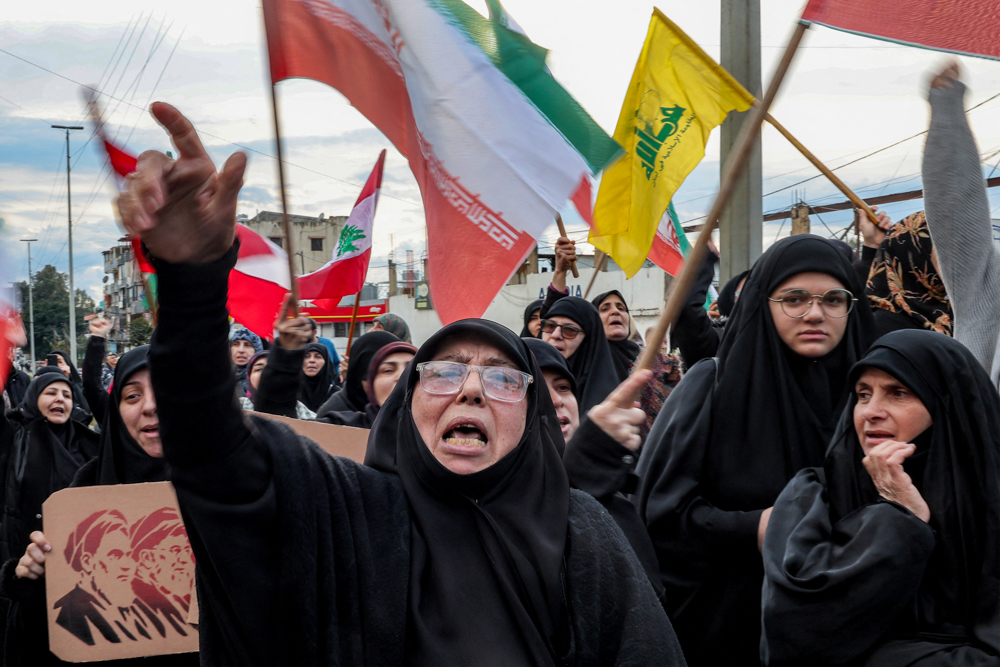
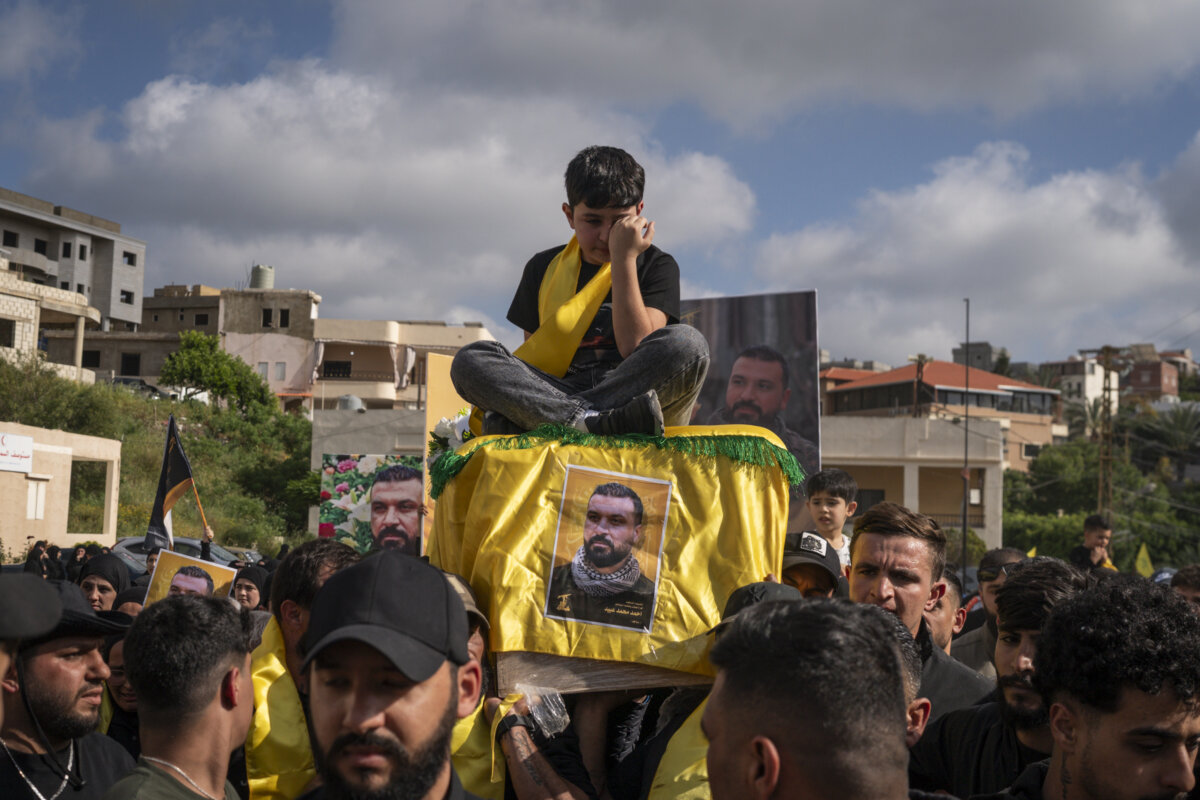
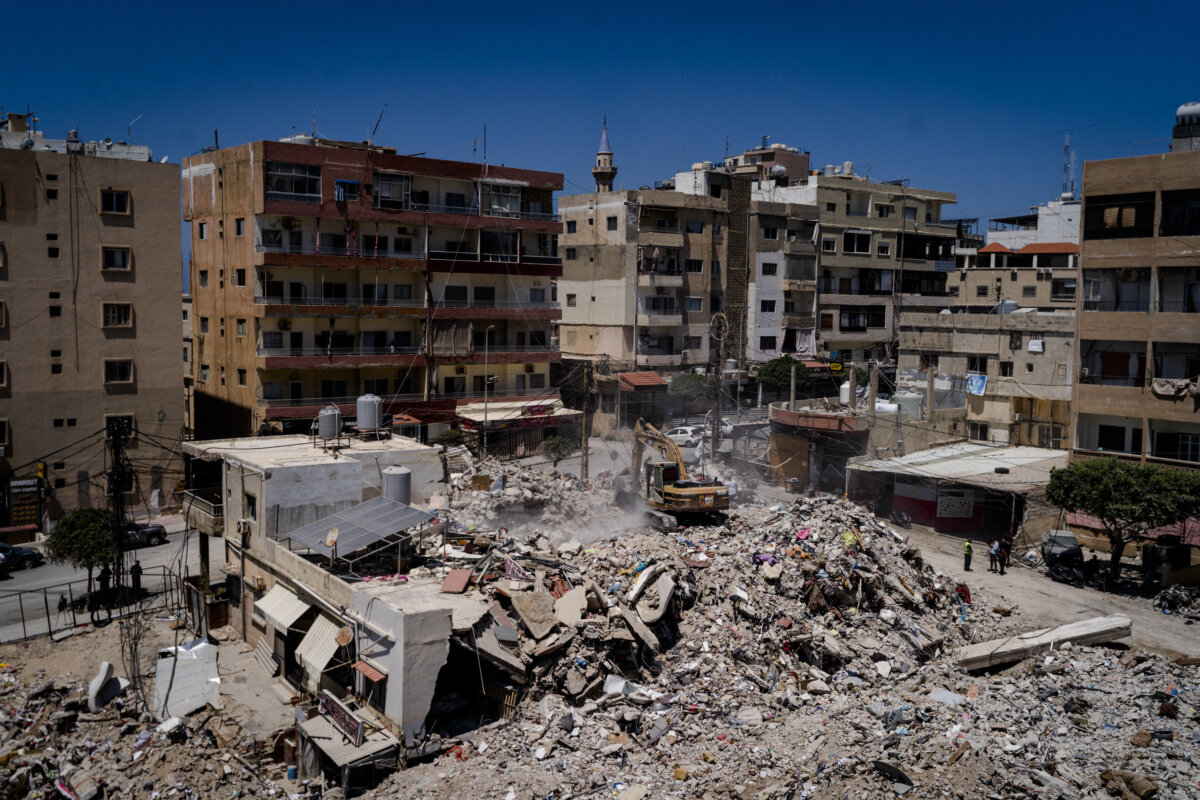
Israel is currently engaged in a war against Hezbollah in Lebanon. Heavy Israeli strikes hit towns and villages in southern Lebanon overnight on May 27 and into May 28, after Israel declared a new swath of the area “a combat zone.”
The Israeli military said residents should leave any towns south of the Zahrani River, which runs about 25 miles north of Israel’s border with Lebanon. Together with a border zone occupied by its troops, Israel’s evacuation orders over the past three months span about 770 sq miles of Lebanon, or about a fifth of the entire country.
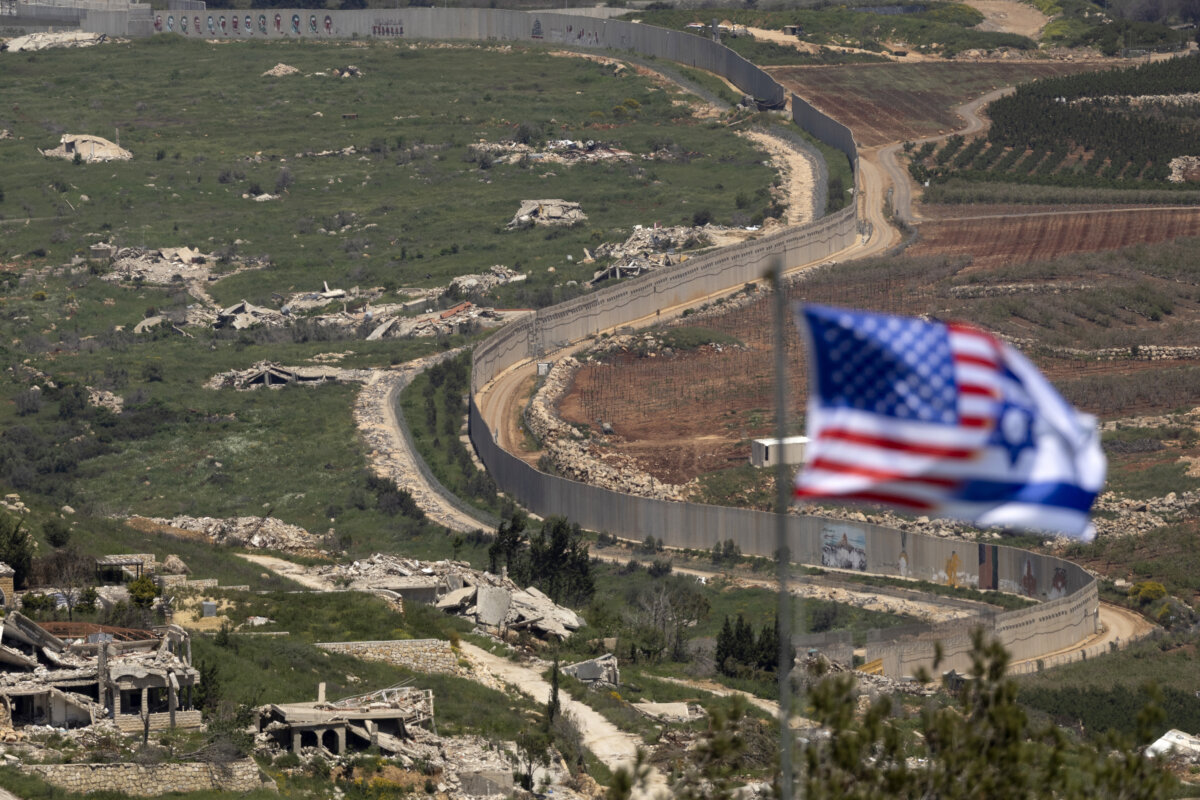
On May 28, an Israeli strike hit a building in the southern suburbs of Beirut amid a ceasefire that has failed to halt fighting between Israeli troops and Hezbollah in south Lebanon.
In its recent statement, USCIS said that the six-month extension “allows existing beneficiaries of TPS Lebanon to keep their TPS through Nov. 27, 2026, if they still meet the eligibility requirements for TPS,” adding that “Employment Authorization Documents that were already issued under Lebanon’s TPS designation will automatically be valid through Nov. 27, 2026.”
The document clarified that the DHS secretary intends to review conditions in Lebanon no later than 60 days prior to Nov. 27 to decide whether to terminate or extend the designation.
“During this period, beneficiaries are encouraged to prepare for their return to Lebanon, including requesting updated travel documents from the government of Lebanon, in the event Lebanon’s TPS designation is not extended again and if they have no other lawful basis for remaining in the United States,” the document states.
According to an August 2025 post on Congress.gov, there were 140 individuals from Lebanon with TPS designations living in the United States as of March 31, 2025.
Ending TPS, Legal Challenges
The Trump administration has tried to end the TPS designation of various nations to deport people from these countries living in the United States. Such efforts have been met with legal challenges.
In February, DHS announced that the TPS designation for Yemen would end on May 4. A lawsuit was filed challenging the decision, alleging that the TPS termination was decided despite the DHS secretary’s determination that Yemen continued to experience “extraordinary and temporary conditions.”
A district court ruled against the Trump administration’s decision on May 1, noting that DHS acted unlawfully on this matter by disregarding “the procedural requirements established by Congress.” The ruling postponed the effective date of the termination.
In an emailed statement to The Epoch Times, a DHS spokesperson said at the time that the TPS designation was designed to be temporary and that the Trump administration was returning the program to its original intent.
In late April, the U.S. Supreme Court heard oral arguments in a case about the Trump administration’s move to end TPS designations for Syrian and Haitian nationals. The court is yet to rule on the issue.
According to a May 28 update from the USCIS, a total of 12 countries carry TPS designations at present: Burma (Myanmar), El Salvador, Ethiopia, Haiti, Lebanon, Somalia, South Sudan, Sudan, Syria, Ukraine, Venezuela, and Yemen.
 Friends Read Free
Copy
Facebook
Tweet
Friends Read Free
Copy
Facebook
Tweet