
The European Commission has announced it is delaying proposed changes to emissions rules for oil and gas amid fears it would affect imports from the United States and elsewhere and cause energy shortages for the bloc.
The rules, which had been due to take effect on Jan. 1, 2027, would have required foreign oil and gas suppliers to the European Union to monitor and report methane emissions. It now plans to delay those rules by 12 months.
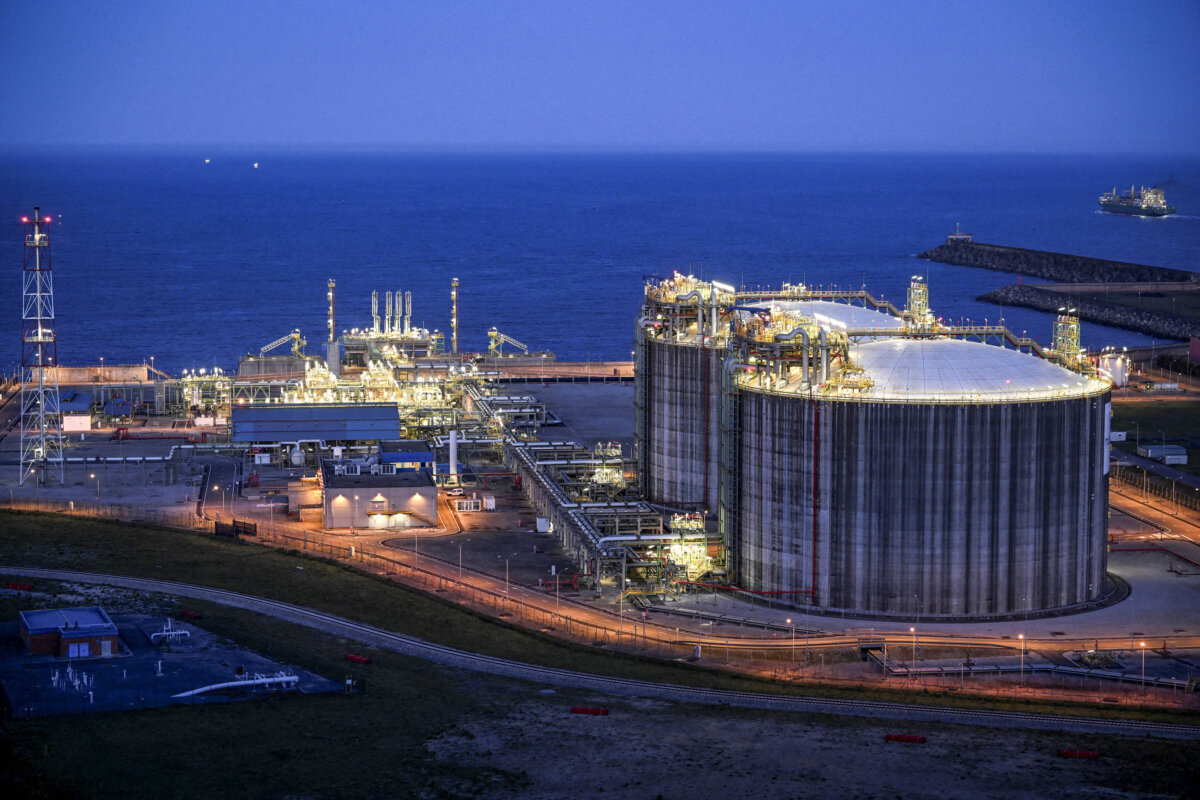
The United States, along with Qatar, Nigeria, and Algeria, warned the EU in June that its methane law could disrupt fuel deliveries, a stance backed by ExxonMobil and other companies. The United States is the EU’s biggest liquefied natural gas supplier.
In a statement published on Wednesday, the commission said the decision to delay is a result of recent changes to the global energy market, and that shortages of gas and oil now could affect the EU’s competitiveness and security.
“Europe is preparing for a challenging winter with high energy prices,” it said in its statement. “The strain on global energy markets linked to the conflict in the Middle East is putting pressure on energy markets in Europe.”
The changes are now set to come into force in 2028, but importers will have until May 31, 2029, to prove that the oil and gas they brought in during the previous year complied with the EU’s methane monitoring and reporting rules.
Last month French President Emmanuel Macron wrote to European Commission President Ursula von der Leyen, urging her to consider delaying the new methane rules.
Despite delaying the implementation, the commission indicated it would not be rethinking the rules.
“The proposed amendment does not affect the ambition, integrity and scope of the Regulation, reaffirming the European Union’s commitment to reduce methane emissions,” it said.
“Methane is the second largest source of greenhouse gas emissions after CO2. Abating methane is therefore one of the fastest and most effective ways to reduce global warming and has great energy savings benefits.”
The Methane Regulation, which was adopted by the EU in 2024, was the world’s first comprehensive legislation regulating methane emissions relating to imports of oil, gas, and coal.
On Oct. 7, the U.S. Environmental Protection Agency (EPA) said it would be proposing “in the coming days” the abolition of a Biden-era rule on methane leaks from oil and gas wells, which it said would save the United States $45 billion.
The move was the latest initiative by the Trump administration to cut regulations that it says burden U.S. businesses seeking to access the nation’s coal, oil, and gas resources.
Final implementation of the Super Emitter Program was delayed by the Trump administration until Jan. 22, 2027, and EPA Administrator Lee Zeldin has indicated it will now be scrapped altogether.
“Americans must be able to afford to heat their homes in the winter and fill up their car and drive to work,” Zeldin said. “They can’t do that when the people producing the energy are weighed down by unnecessary burdens. The Trump EPA is committed to fixing this so the U.S. can reach its full energy potential.”
Environmental activists say methane is the second-biggest cause of “climate change” after carbon dioxide. The Sierra Club’s Rio Grande chapter led a protest outside the meeting in Santa Fe, New Mexico, where Zeldin made the announcement.
Reuters contributed to this report.
 Friends Read Free
Copy
Facebook
Tweet
Friends Read Free
Copy
Facebook
Tweet