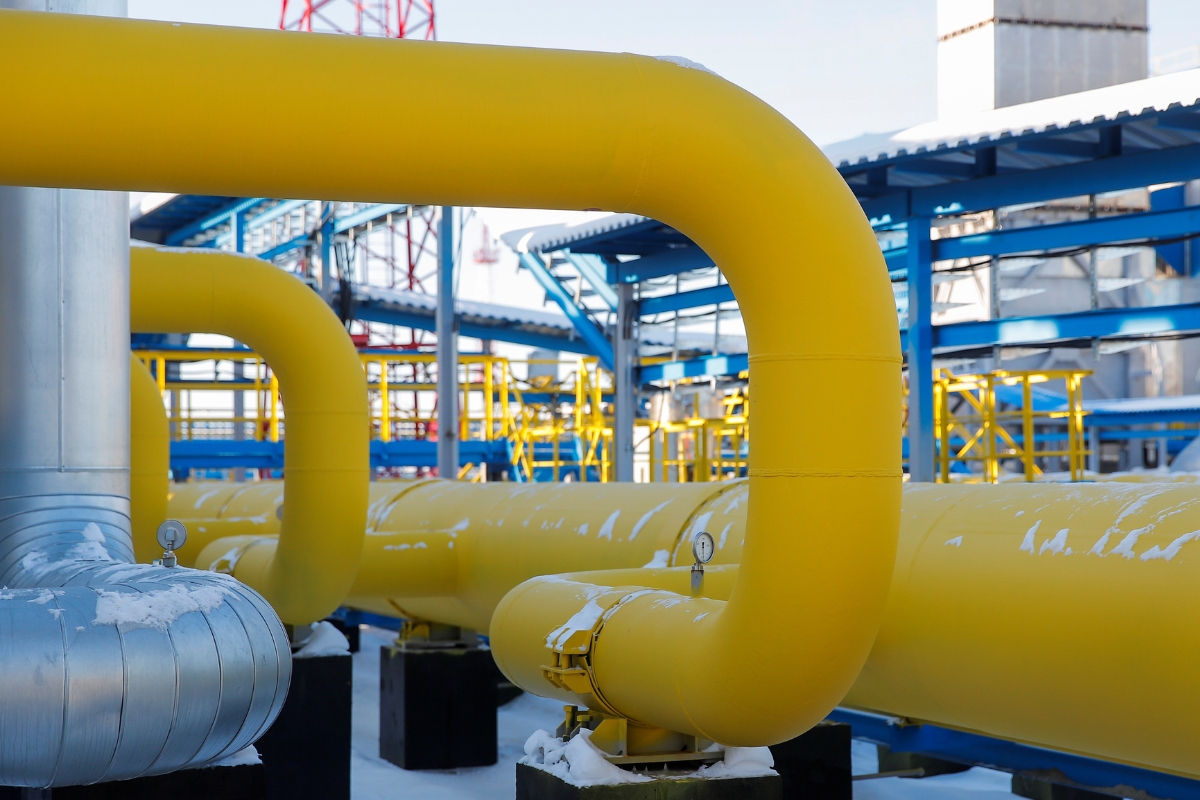

Energy ministers in the Council of the European Union backed a proposal on Oct. 20 to phase out the import of Russian gas by 2028.
Ministers agreed that they would support phasing out new contracts for both pipeline gas and liquefied natural gas (LNG) by Jan. 1, 2026, with there being a transition period for other existing contracts.
Existing short-term agreements may continue until June 17, 2026, and long-term contracts may run until Jan. 1, 2028.
There will be some flexibility for landlocked member states—such as Hungary and Slovakia—that are affected by the change in supply routes and have limited or no alternative routes for transporting gas.
The proposed regulations, if backed by the European Parliament, would require member states to submit plans demonstrating how they will diversify their energy supplies if they are still receiving direct or indirect imports of gas from Russia.
The Council of the EU, which is composed of national ministers from each member state, said in a statement that “the same requirement to submit a national diversification plan will apply to those member states that are still importing Russian oil, with a view to discontinuing those imports by 1 January 2028.”
Lars Aagaard, the Danish minister for climate, energy, and utilities, said: “An energy independent Europe is a stronger and more secure Europe. Although we have worked hard and pushed to get Russian gas and oil out of Europe in recent years, we are not there yet.”
Aagaard said that it was crucial that Denmark, which currently holds the rotating presidency of the Council of the EU, secures an “overwhelming support from Europe’s energy ministers for the legislation that will definitively ban Russian gas from coming into the EU.”
The Council presidency will next start negotiations with the European Parliament, which is composed of 720 lawmakers directly elected by the citizens of individual nations from across the bloc, before agreeing on the final text of the regulations.
Hungary and Slovakia
Following the 2022 Russian invasion of Ukraine, the EU has sought to reduce its dependence on energy from Russia. According to an explainer on the European Council’s website, “Russia’s share of EU imports of pipeline gas dropped from over 40 percent in 2021 to about 11 percent in 2024.”
In 2024, Russia accounted for less than 19 percent of the EU’s imported gas and LNG combined.
While much of Europe has moved away from Russian energy and Brussels has imposed extensive sanctions on most Russian oil imports, Slovakia and Hungary still receive Russian supplies via the Druzhba oil pipeline.
Bratislava and Budapest maintain closer ties with Moscow than the rest of the bloc and have defended their continued purchase of Russian oil, saying alternatives are too expensive.
Hungarian Prime Minister Viktor Orban has repeatedly called for the EU to drop its plan to stop Russian energy from being imported, and his environment minister, Aniko Raisz, echoed those sentiments on Sept. 18.
“I think you know our position. We are one of the few landlocked countries in the region. So our position has always been guided by the energy security for Hungary,” Raisz told reporters in Brussels.
“We know that we have important, important tasks ahead of us, but let’s not daydream.”
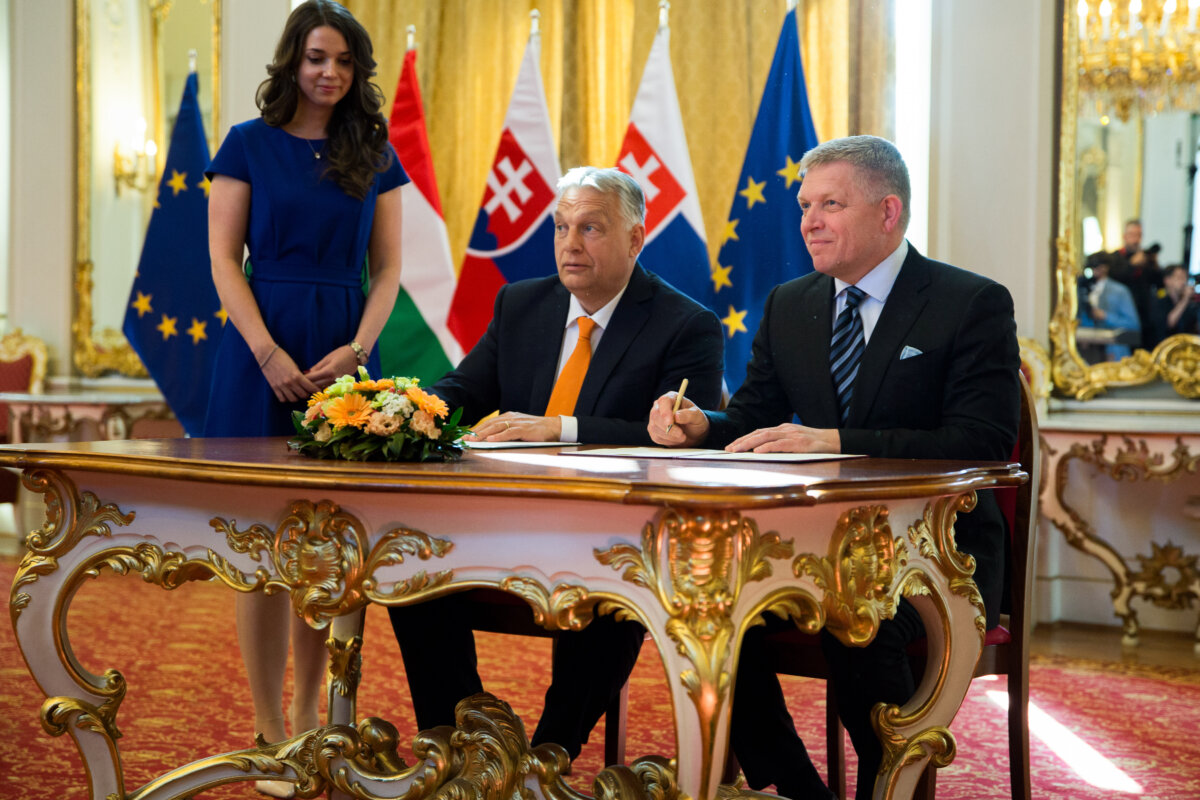
Last month, Slovakia pushed back on U.S. President Donald Trump’s calls for Europe to curb Russian oil imports.
“We don’t have any other options which could be sustainable and also for the price to be reasonable,” Slovak Foreign Minister Juraj Blanar told Reuters during an interview on the sidelines of the U.N. General Assembly on Sept. 24.
“It takes time to diversify this. So that’s why we are calling for some kind of empathy.”
Hungarian Foreign Minister Peter Szijjarto said on Sept. 24 that the country will not stop buying Russian oil.
“We are a landlocked country,” Szijjarto told ATV television in an interview in New York City, where he was also attending the U.N. General Assembly. “It would be great if we had access to the sea; we could build an oil refinery or an LNG terminal on the coast and cover the entire world market. But that’s not the case.”
Guy Birchall and Owen Evans contributed to this report.
 Friends Read Free
Copy
Facebook
Tweet
Friends Read Free
Copy
Facebook
Tweet