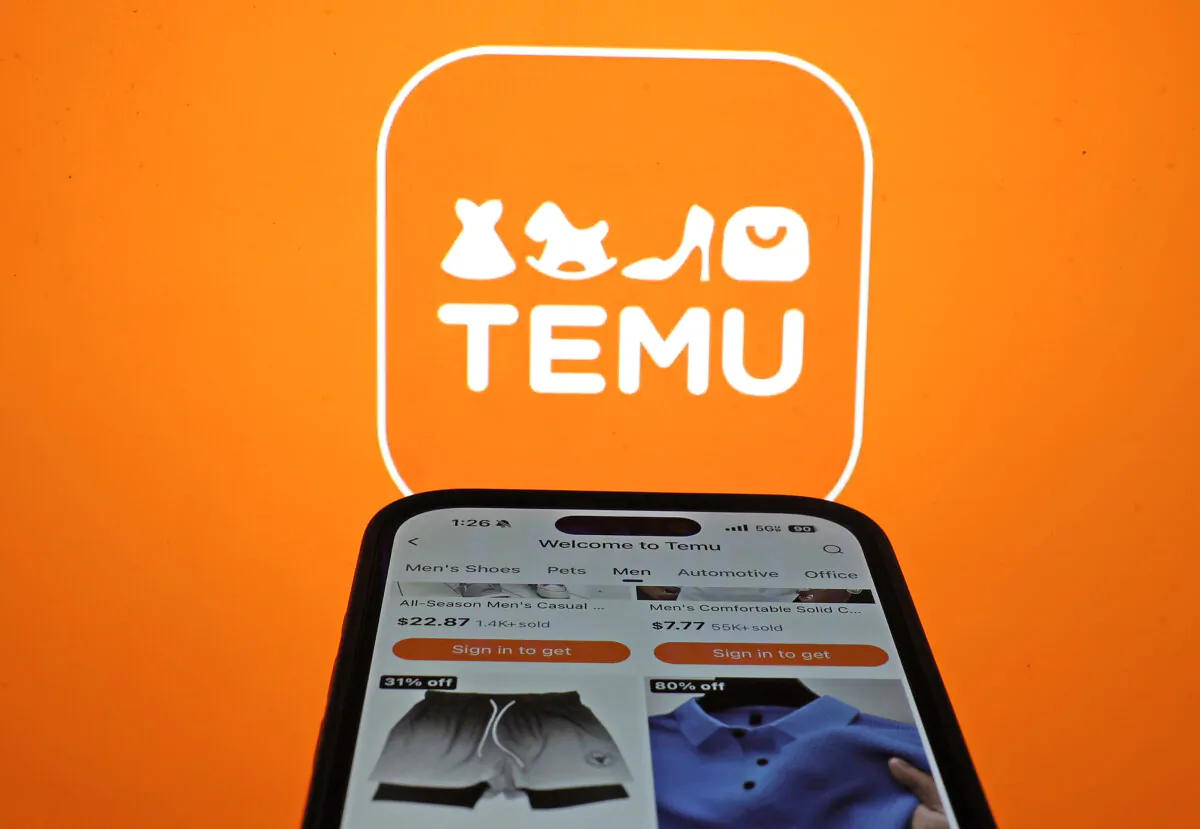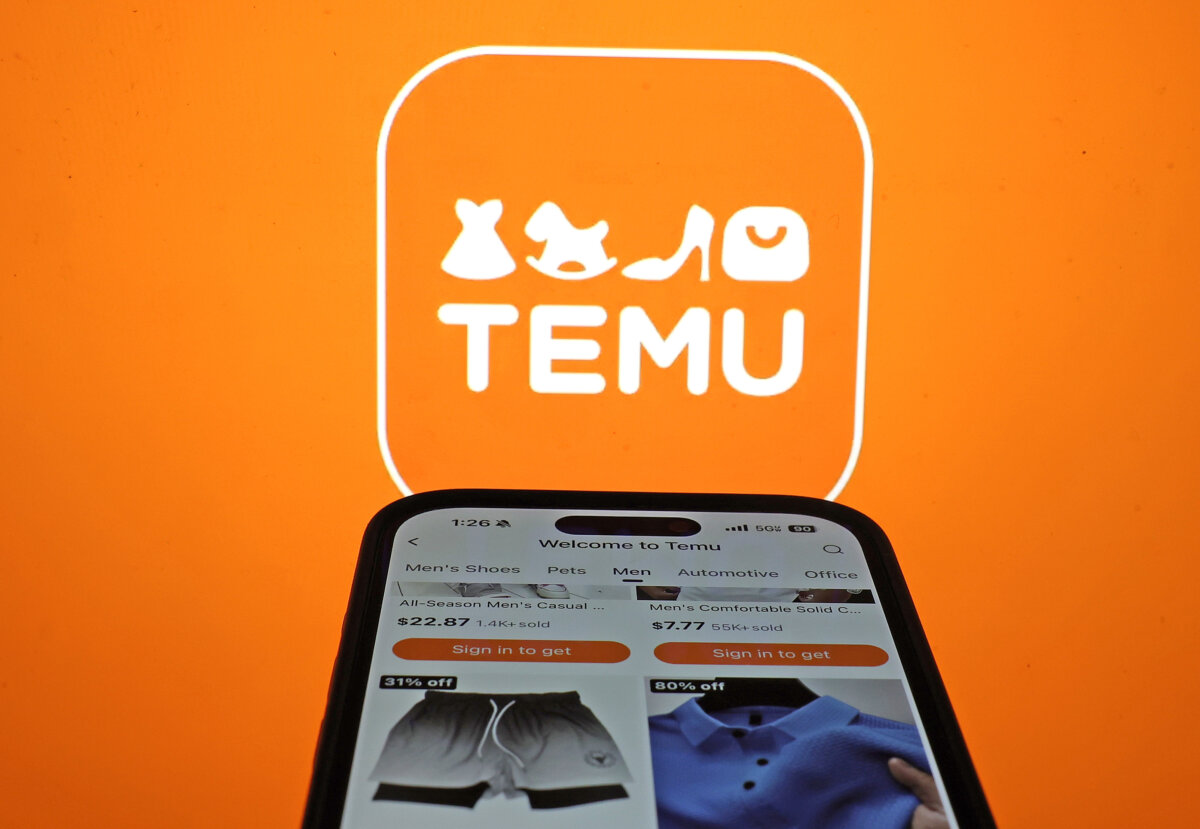

The European Commission (EC) has fined Chinese online retailer Temu 200 million euros ($232 million) for failing to do enough to stop the sale of illegal products within the 27-member European Union.
“This is about risk management. It is very much a cornerstone of our [Digital Services Act],” Henna Virkkunen, the EU’s executive vice president for Tech Sovereignty, Security and Democracy, told reporters on May 28. “With this decision, we are sending a very strong message to Temu.”
Temu is the second big tech company to be fined under the EU’s Digital Services Act (DSA), which went into force in July 2025.
In December 2025, Elon Musk’s X was fined 120 million euros ($140 million) for breaching several transparency obligations under the DSA.
The EC, which is the EU’s executive body, said Temu had “failed to diligently identify, analyse, and assess the systemic risks of illegal products being offered on its platform and the resulting harm to consumers in the European Union.”
“Failing to conduct proper risk assessments—one of the cornerstones of the DSA’s architecture–is a particularly serious infringement of the DSA,” the EC said.
Unsafe Chargers, Baby Toys
The EC said it conducted a mystery shopper exercise, which showed that a “very high percentage of the selected chargers failed basic safety tests, while a high percentage of tested baby toys posed safety risks of medium to high severity, as they contain chemicals exceeding legal safety limits or pose suffocation hazards due to detachable parts.”
“[Temu] did not properly assess how the design of its service—including recommender systems and product promotion programmes by affiliated influencers—could amplify dissemination risks of illegal products,” the EC said.
The DSA holds very large online platforms to high standards with regard to illegal and harmful content.
Temu is an online marketplace app that offers low-priced goods and has become hugely popular globally since its 2022 launch.
In December 2025, Arizona sued Temu for secretly harvesting massive amounts of sensitive data from Arizonans’ phones, deceiving customers with counterfeit goods and fake reviews.
At the time, Temu said it denied the allegations and “will defend itself vigorously.”
The EC said it had carried out a two-year investigation into Temu after complaints by BEUC, a consumer organization, and 17 of the bloc’s member states.
The commission has given Temu until August 28 to deliver an action plan, which will be assessed by the European Board for Digital Services.
The commission will then have a further month to decide whether to accept the action plan and to set a reasonable implementation period.
“Failure to comply with the non-compliance decision may lead to periodic penalty payments,” the commission stated.
Temu Says Fine ‘Disproportionate’
“Temu respects the objectives of the Digital Services Act and the need for clear, consistent rules across the digital economy. However, we disagree with the European Commission’s decision and consider the fine to be disproportionate,” Temu said in a statement emailed to The Epoch Times.
“The decision relates to our first DSA assessment in 2024 and does not reflect the current state of our systems,” it stated.
“Temu engaged constructively with the commission throughout the process and has since taken further steps to strengthen risk assessment, platform governance, and user protection.
“We will continue to engage with regulators in good faith and work toward a marketplace that serves consumers, businesses, and communities responsibly. We are reviewing the decision carefully and considering all available options.”
Last month, France urged the EU to strengthen enforcement against online platforms such as Shein and Temu for selling unsafe and illegal products.
French consumer authorities say some foreign online marketplaces show unusually high rates of noncompliant and dangerous goods compared with traditional retail channels.
In a statement issued on April 29, the French Directorate General for Competition, Consumer Affairs and Fraud Control said tests on nearly 600 products purchased from seven major foreign marketplaces found that about 75 percent of them were noncompliant with EU rules and 46 percent were considered dangerous.
The EC opened formal proceedings against Shein under the DSA in 2025.
Reuters contributed to this report.
 Friends Read Free
Copy
Facebook
Tweet
Friends Read Free
Copy
Facebook
Tweet