
The Department of Justice’s (DOJ’s) fraud division has announced 17 fraud cases across seven Southern states involving more than $350 million stolen or targeted through schemes involving food stamps, healthcare, housing, pandemic loans, and tax programs.
The DOJ said on July 30 that the enforcement push—spanning Alabama, Florida, Georgia, Louisiana, Mississippi, North Carolina, and South Carolina—is focused on tackling what officials described as a “fraud epidemic” gripping the nation.
“Defeating the fraud epidemic in our country requires all-hands-on-deck from our federal and state partners nationwide,” Assistant Attorney General Colin McDonald of the National Fraud Enforcement Division said in a statement.
New anti-fraud task forces are being stood up in three states as part of the effort, along with agreements bolstering cooperation between state and federal authorities, including ones allowing the sharing of business and public-benefits data.
“Whether it’s sharing intelligence, data, personnel, or priorities, partnering with state agencies directly strengthens our ability to identify those stealing taxpayer dollars,” McDonald said.
Since July 4 alone, prosecutors have charged 12 defendants in cases involving more than $90 million, the department said.
“My office also recently indicted six individuals accused of defrauding taxpayers and stealing jobs from hardworking South Carolinians by providing counterfeit employment documents to illegal aliens,” South Carolina Attorney General Alan Wilson said in a statement.
Wilson added that collaborative partnerships set up as part of efforts to enhance enforcement have helped the state uncover more than $20 million in Medicaid fraud claims in a sting dubbed “Operation Border Wars.”
Medicare, Tax, and Food Aid Schemes
The largest case highlighted by the department, which took place in Louisiana, involved claims submitted to Medicare for unnecessary cancer and heart-related genetic tests.
Medicare patients who were lured into the scheme were provided with no answers on their predisposition to life-threatening illnesses, with the alleged crime costing taxpayers $174 million.
In Alabama, a Birmingham-area tax preparer was charged with filing thousands of returns that falsely claimed residential energy tax credits, with prosecutors putting the loss at nearly $70 million.
An individual in Florida who pleaded guilty to filing a false tax return agreed to pay nearly $35 million in restitution, while forfeiting properties in Miami Beach and the U.S. Virgin Islands—along with a Range Rover and two Ferraris.
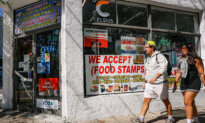
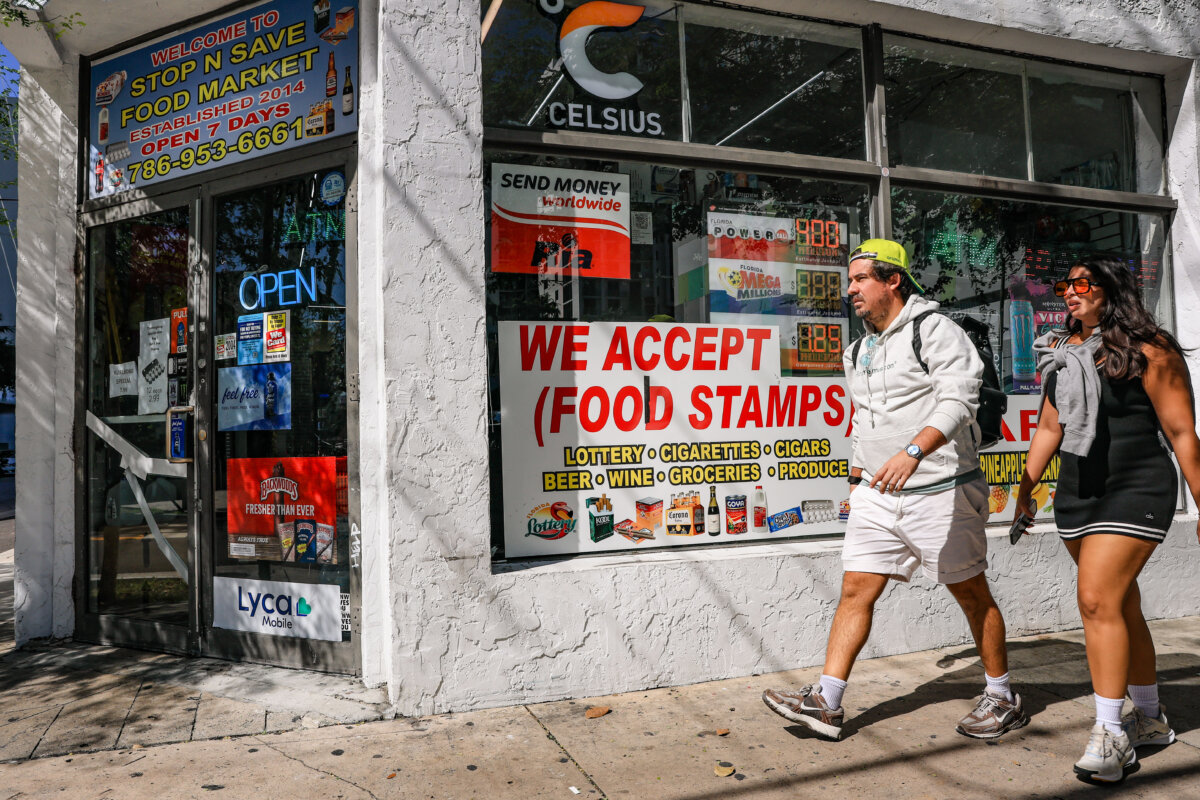
Four other defendants were charged in an alleged Miami food-stamp scheme that generated nearly $20 million in fraudulent transactions at a Kwik Stop convenience store.
“With the help of the Trump administration, the states are fighting back against benefits fraud,” Louisiana Attorney General Liz Murill said in a statement.
The entity leading the enforcement push—the National Fraud Enforcement Division—was created in April as part of the Trump administration’s drive to fight fraud, waste, and abuse.
“President Trump has challenged all of us to step up our efforts to fight fraud and protect American taxpayers from this grift,” Mississippi Attorney General Lynn Fitch said in a statement.
The Government Accountability Office estimates that fraud costs the federal government between $233 billion and $521 billion per year.
In July, the division established a trade enforcement unit to investigate tariff evasion, smuggling, customs fraud, sanctions violations, and imports linked to forced labor.
Separately, the Trump administration recently announced new tariffs on more than 60 trading partners—including the European Union—over alleged failures to enforce bans on forced labor, a problem that the DOJ has described as a “staggering global crisis.”
 Friends Read Free
Copy
Facebook
Tweet
Friends Read Free
Copy
Facebook
Tweet