
The European Commission has proposed an EU climate target for 2040 that will allow countries to use international carbon credits.
The European Commission on July 2 proposed an amendment to the EU Climate Law, setting a 2040 climate target of a 90 percent reduction in net greenhouse gas (GHG) emissions from 1990 levels.
The commission said the proposal would build on the existing binding goal of reducing these kinds of emissions by at least 55 percent by 2030.
In a published factsheet, the EU discussed the possibility of a “limited use” of “high quality international carbon credits starting from 2036,” which would be capped at no more than 3 percent of 1990 EU net emissions.
According to the United Nations, carbon credits are measured in metric tons of CO2 equivalent and can be purchased by individuals, businesses, and organizations to offset emissions or support environmental projects.
These could involve, for example, tree planting or even buying credits in a hydropower project in China.
The EU has previously said that international carbon markets “can play a key role in reducing global greenhouse gas emissions cost-effectively.”
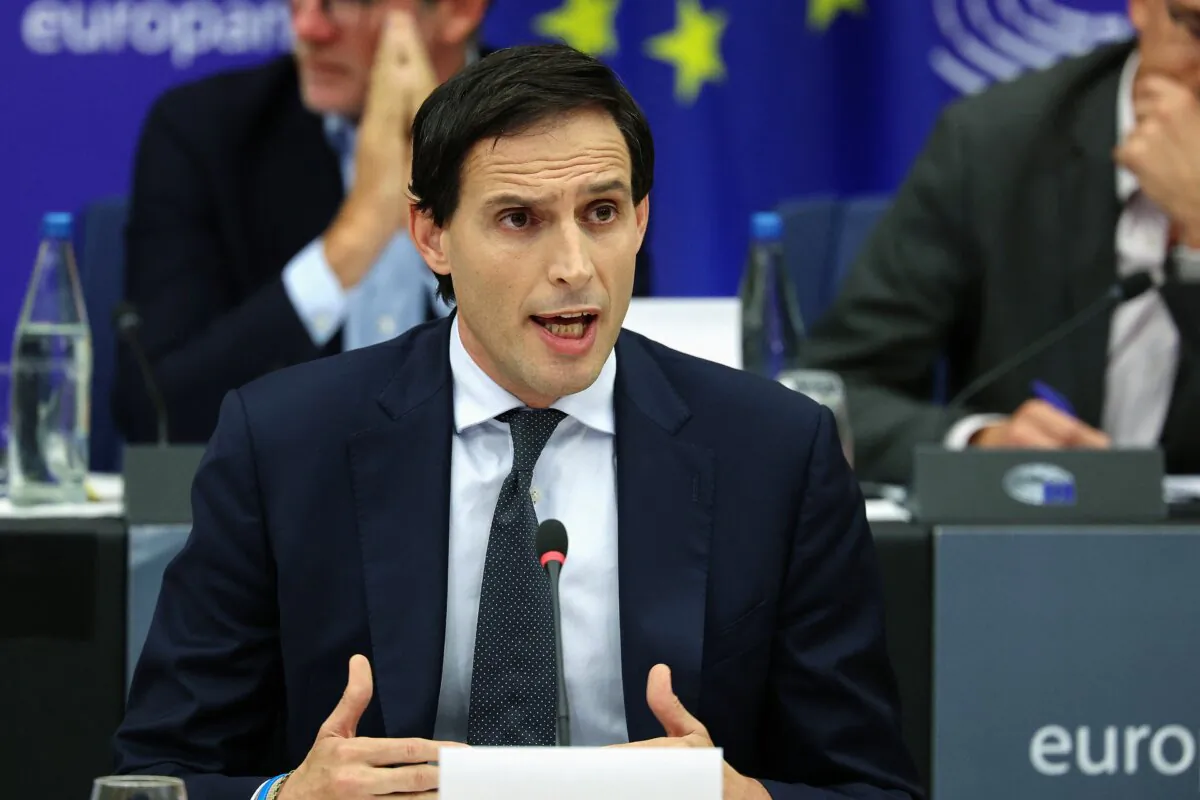
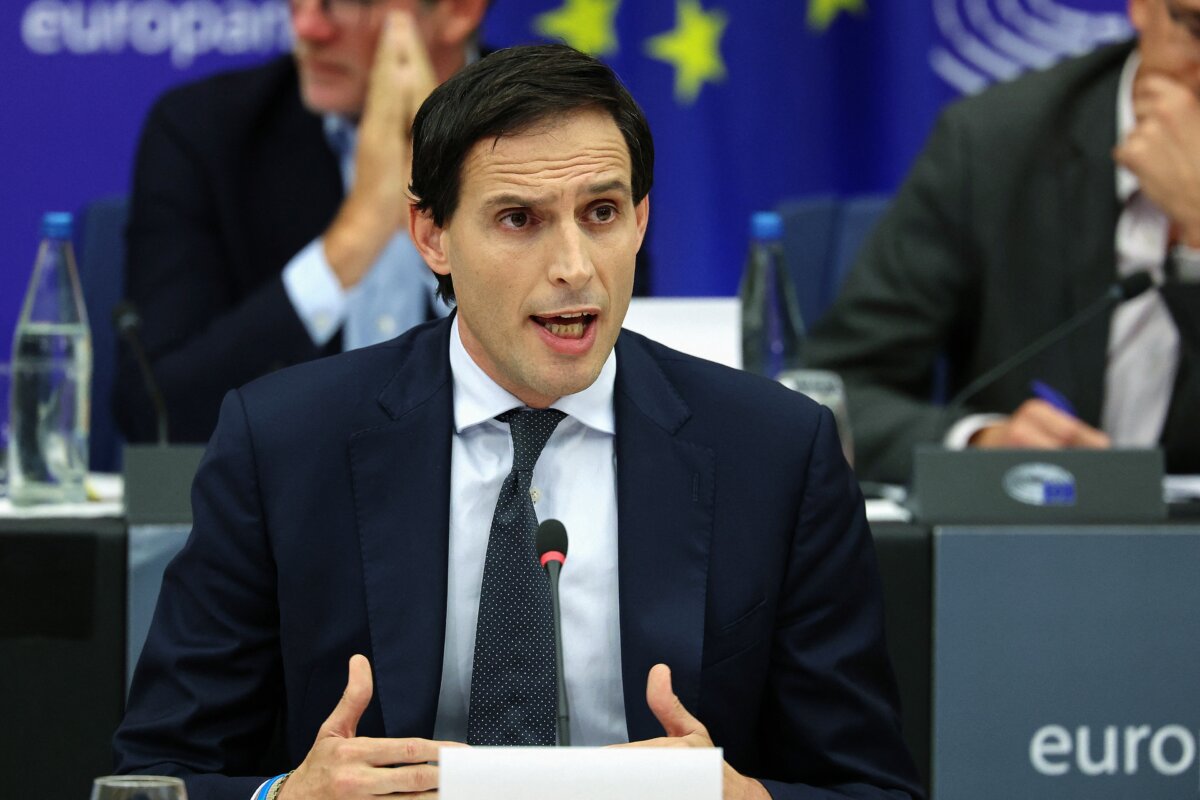
Wopke Hoekstra, EU commissioner for climate, net-zero and clean growth, defended using carbon credits in a speech on July 2.
“These carbon credits will have to be verifiable, certifiable, and additional. Only then will it truly help in building the bridge with our friends all across the globe,” he said.
“This will give breathing space for hard-to-abate sectors.”
Ursula von der Leyen, president of the European Commission, said at the same event that the EU’s journey to net zero was “pragmatic and realistic.”
The EU has also proposed the use of “domestic permanent removals” in the EU Emissions Trading System (ETS), its flagship cap and trade scheme for sectors such as energy, heavy industry, and aviation.
“Domestic permanent removals” include the use of direct air capture with carbon storage or biogenic emissions capture with carbon storage to remove CO2 from the atmosphere and permanently store it.
Under the ETS, entities must surrender allowances for their emissions and purchase tradable assets called EU allowances to cover their greenhouse gas emissions.
If they fail to do so, operators face a 100 euro penalty for each tonne of excess emissions.
All of the commission’s proposals will now be submitted to the European Parliament and the council for “negotiations and adoption. ”
Last year at the U.N. climate change conference COP 29 in Azerbaijan, countries and negotiators agreed on establishing a U.N.-backed system for trading carbon credits.
At the time, Simon Stiell, U.N. climate change executive secretary, said, “When operational, these carbon markets will help countries implement their climate plans faster and cheaper, driving down emissions.”
Using carbon credits has attracted criticism from across the board, from environmental activists to net-zero policy critics.
“International carbon pricing, covering every sector of the economy, is in theory the most efficient way that we can tackle climate change,” Harry Wilkinson, head of policy at the Global Warming Policy Foundation, told The Epoch Times at the time.
However, he said it would have to be accompanied by removing all renewable energy subsidies and other climate-related market distortions.
“We would also need to think about the impact on developing countries,” he said.
“Unfortunately, these accompanying actions are unlikely to happen. So what we’ll end up with is just another cost for consumers on top of all the others.”
In a 2023 report, Friends of the Earth claimed that carbon credits and offsets “simply do not achieve real emission reductions.”
“They further patterns of extractivism and neocolonialism where communities, first and foremost in the Global South, are sacrificed for the continued profiting of Big Polluters,” it said.
 Friends Read Free
Copy
Facebook
Tweet
Friends Read Free
Copy
Facebook
Tweet