
Europe and the United States have become significantly more vulnerable to supply disruptions from China in key sectors such as energy, health care, and digital technologies, the European Central Bank (ECB) said on Aug. 5, warning that even small shocks to these “critical dependencies” could have outsized economic costs.
“Although the critical dependencies constitute a minor share of total trade and inputs to production, any disruption to their supply yields disproportionate economic costs owing to their low substitutability,” ECB economists wrote in an abstract to a new bulletin published on Aug. 5.
Global trade liberalization since the 1990s boosted efficiency but contributed to making countries such as China dominant in key minerals, and other places, such as Europe and the United States, heavily reliant on foreign inputs.
“These dependencies create strategic vulnerabilities, as their disruption by geopolitical rivals can entail significant economic costs,” the economists wrote in the bulletin.
The ECB analysis found that roughly 30 percent of Europe’s critical imports from China—including rare-earths, antibiotics, and consumer electronics—qualify as “single point of failures,” with few alternative suppliers.
According to the report, the share is even higher for the United States, at about 40 percent of critical dependencies from China. By contrast, China has sharply reduced its reliance on Western inputs through industrial policies such as “Made in China 2025” and what analysts call a “fortress economy” strategy aimed at withstanding external shocks.
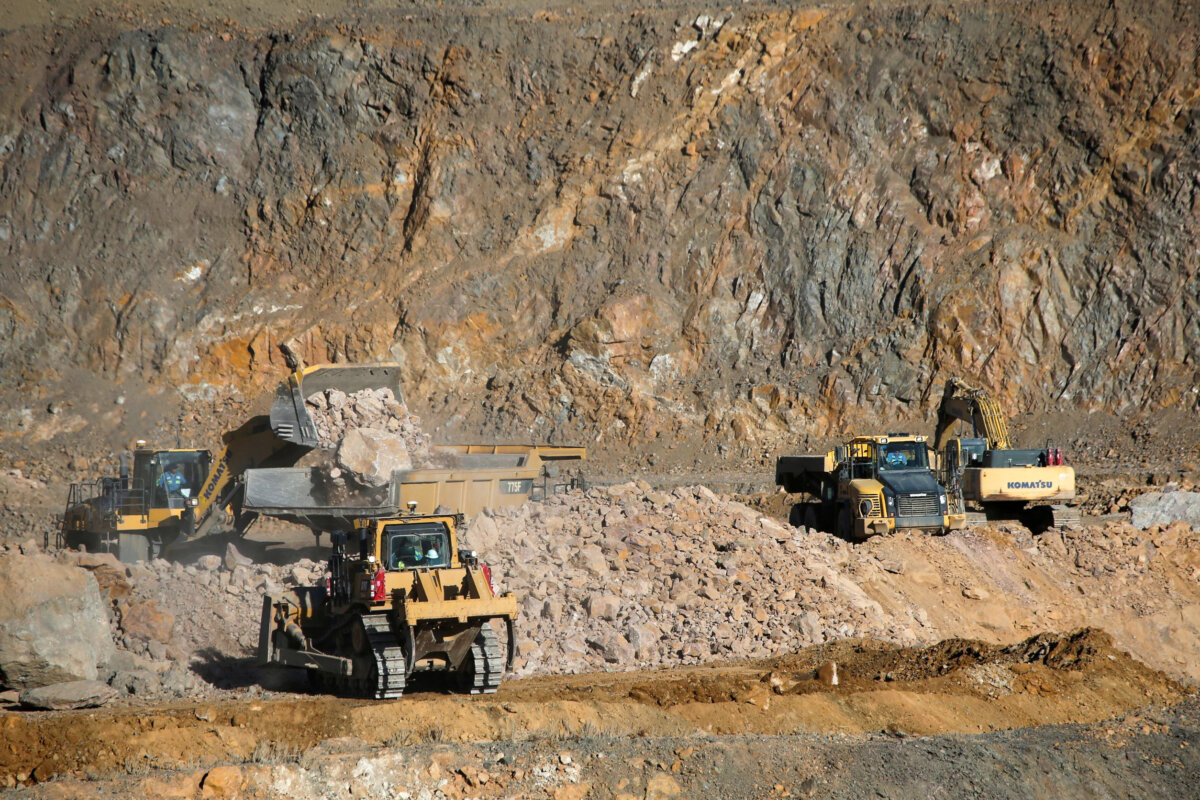
China’s dominance is most pronounced in strategic raw materials. It refines about 73 percent of global cobalt and 40 percent of lithium, and it accounts for more than 95 percent of rare-earth production, according to the report. These minerals are essential for electric vehicles, renewable energy systems, and advanced defense technologies.
The ECB warned that the economic fallout from a supply shock could be severe, despite that these goods make up only a sliver of trade. Its model estimates that euro-area final demand losses have increased roughly tenfold since 1995 to 0.41 percent, with U.S. losses reaching 0.32 percent.
Final demand losses refer to negative impacts on total spending by households, businesses, and government, with a decline representing an economy‑wide hit to production and consumption.
“Policymakers therefore face a trade-off between strengthening supply chain resilience and preserving the benefits of openness,” the economists wrote, while recommending “targeted and coordinated de-risking strategies” rather than blanket protectionism to mitigate the risks.
“Such strategies should aim to address specific vulnerabilities while preserving the economic gains of global integration,” they wrote.
The United States has taken some steps to reduce dependence on Chinese supply chains, dating back to the first Trump administration.
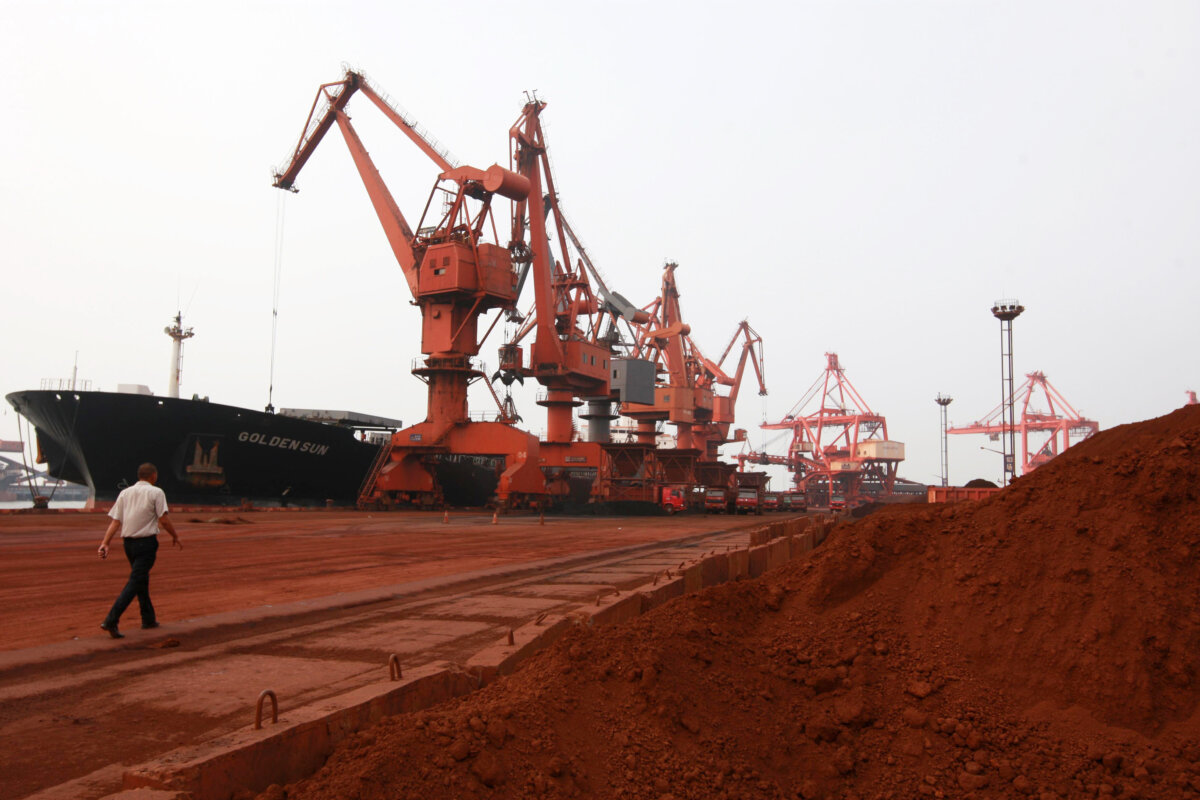
In September 2020, President Donald Trump issued an executive order declaring a national emergency over U.S. dependence on critical minerals—such as rare-earths, gallium, and graphite—and directed multiple federal agencies to accelerate permitting, investigate vulnerabilities, impose tariffs or quotas, and boost domestic mining and processing capacity.
Those efforts continued through the Biden administration.
In 2022, President Joe Biden signed into law the CHIPS and Science Act, which marked a significant step toward bolstering the U.S. semiconductor industry. The measure authorized $52 billion in subsidies and tax incentives to expand U.S. semiconductor manufacturing and research, aiming to cut reliance on overseas producers—particularly China and Taiwan—for advanced chips critical to defense and commercial technologies.
Additional steps have been taken during the second Trump presidency, including a March executive order invoking the Defense Production Act to accelerate domestic production of lithium, cobalt, and other critical minerals used in batteries and advanced weapons systems.

The Pentagon has also rolled out new grants and public‑private partnerships to develop rare‑earth magnet facilities and diversify suppliers for missile and aerospace components.
Although Washington’s new measures represent a bid to unwind defense supply chains from China, analysts warn that Beijing’s overwhelming grip on refining and processing critical materials remains a formidable obstacle.
 Friends Read Free
Copy
Facebook
Tweet
Friends Read Free
Copy
Facebook
Tweet