
The European Court of Human Rights (ECHR) ruled on Wednesday that Russia was responsible for a number of violations of international law in Ukraine, as well as the downing of Malaysia Airlines Flight MH17.
The ECHR delivered the decisions in relation to three cases brought by Ukraine against Russia involving violations committed since the start of the conflict in 2014. These included extrajudicial killings, torture, forced labor, and taking Ukrainian children to Russia and, in many cases, facilitating their adoption.
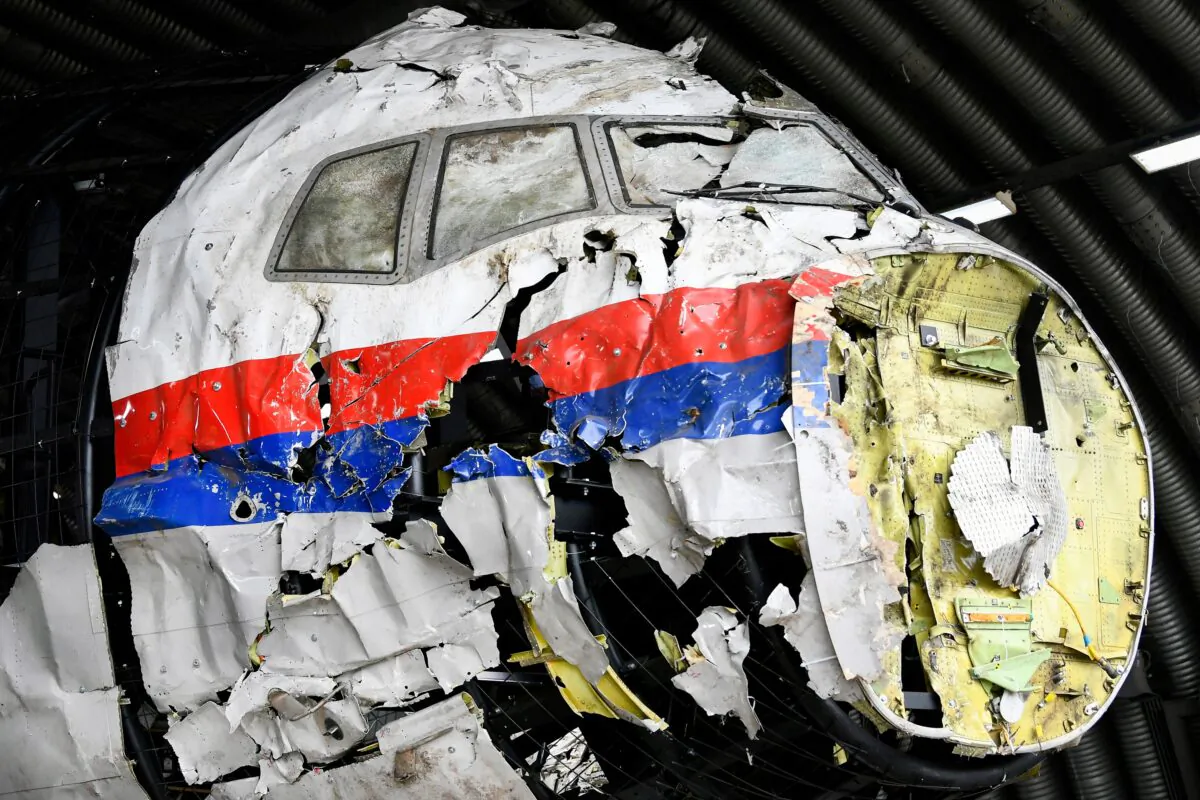
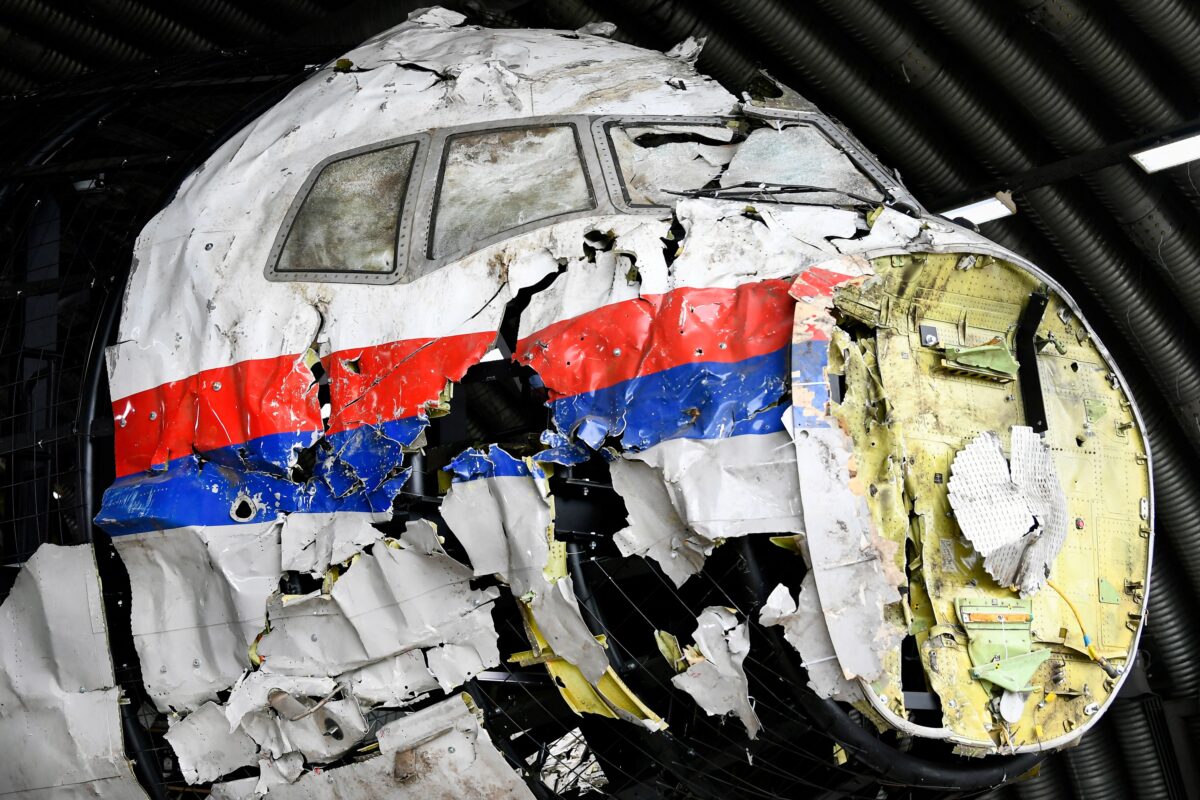
A fourth case brought by the Netherlands saw Europe’s top human rights court find Moscow responsible for the shooting down of Flight MH17 over eastern Ukraine by separatists loyal to Russia on July 17, 2014. All 298 people on board were killed, including 196 Dutch nationals.
The ECHR unanimously said that Russia was responsible for the acts of the Russian military across Ukraine, “and of the separatist entities in eastern Ukraine.”
Further, the ruling said that Russia’s actions were unprecedented in the history of the Council of Europe.
It said that the nature and scale of the violence and Russia’s “ominous statements” about Ukraine’s right to exist “represent a threat to the peaceful co-existence in Europe and seek to undermine the very fabric of the democracy on which the Council of Europe and its member States are founded.”
European Court of Human Rights
The Council of Europe was formed after World War II to uphold the rule of law and human rights, and the ECHR is its judicial body. Headquartered in Strasbourg, France, the council comprises 46 members from across the continent, including all 27 EU member states.
Reading the decisions in the courtroom in Strasbourg, Court President Mattias Guyomar said that the human rights abuses went beyond the military objective, saying in particular that the Russian use of sexual violence was an “act of atrocity that amounted to torture” and was part of a strategy to break Ukrainian morale.
The complaints were brought before the court after the Council of Europe expelled Russia in March 2022, following Moscow’s full-scale invasion of Ukraine the month before.
However, the ECHR can still deal with cases that occurred before Russia’s expulsion.
Russia said it plans to ignore the decisions, with Kremlin spokesman Dmitry Peskov saying in a call to reporters on Wednesday, “We won’t abide by it, we consider it void.”
The ruling is not the final decision to be handed down by the European court in relation to the Russia–Ukraine war, with Kyiv having other cases pending against Moscow.
In May, European nations backed plans for the Council of Europe to form a special tribunal to prosecute Russian President Vladimir Putin and senior officials over crimes of aggression against Ukraine.
Kyiv accuses the Russian forces of having committed thousands of war crimes since the 2022 invasion—allegations that Moscow denies.
Flight MH17
Relatives of the victims of the Malaysia Airlines crash said the ruling was an important milestone in their effort to get justice.
Thomas Schansman, whose 18-year-old son, Quinn, died in the crash, said, “It’s a real step in understanding who was really responsible.”
The Boeing 777 was flying from Amsterdam in the Netherlands to the Malaysian capital Kuala Lumpur when it was shot down with a Russian-made Buk missile fired from a separatist-controlled territory in eastern Ukraine.
The ECHR’s ruling comes after the United Nations’ aviation council found Russia responsible for the downing of the flight.
The council of the International Civil Aviation Organization (ICAO) voted on May 13 that Russia had failed in its obligation under international air law to “refrain from resorting to the use of weapons against civil aircraft in flight.”
The ICAO case had been brought by the Netherlands and Australia, the latter having lost 38 citizens or residents in the tragedy.
In November 2022, a Dutch court found two Russians and one Ukrainian guilty in absentia of killing all 298 victims of the July 2014 crash.
The Associated Press contributed to this report.
 Friends Read Free
Copy
Facebook
Tweet
Friends Read Free
Copy
Facebook
Tweet