Ottawa says it will complete its delayed gun buyback of what it calls “assault-style” rifles by the end of next year.
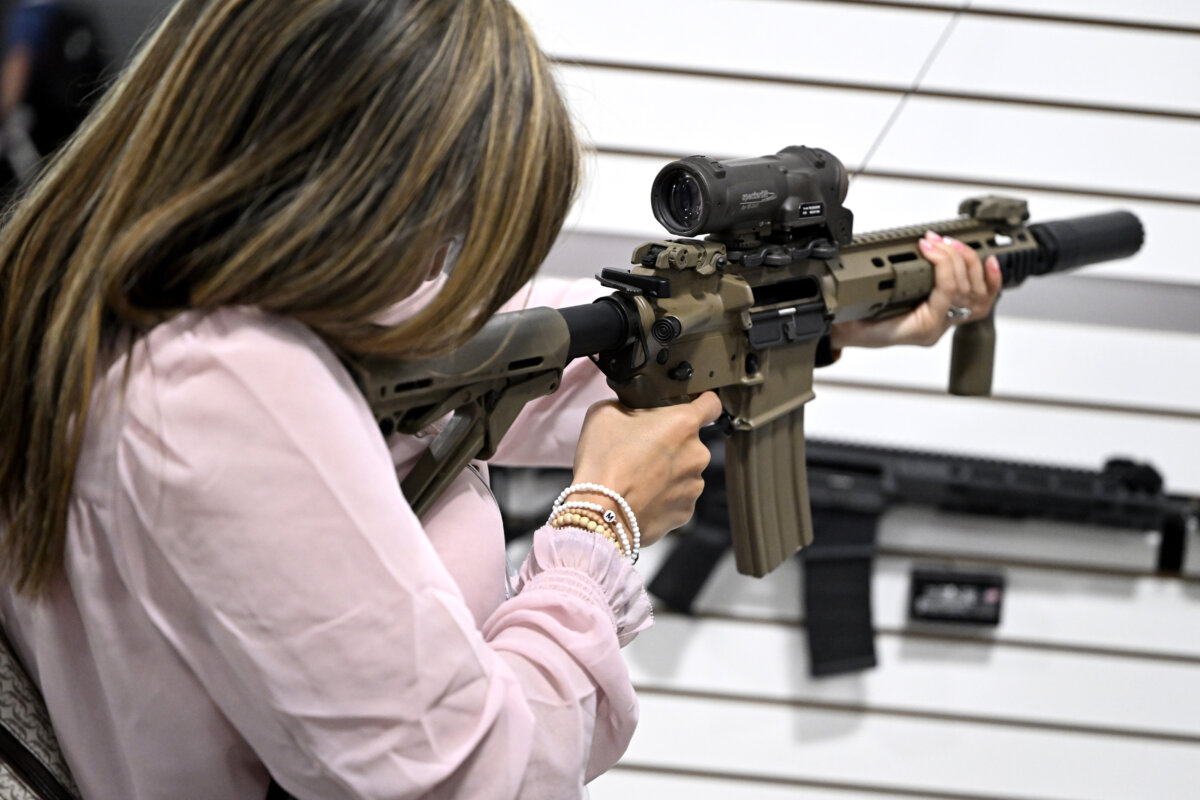
Public Safety Minister Gary Anandasangaree said the gun buyback program of the more than 2,000 newly banned firearms will be completed by the end of next year at the latest. The move comes after Ottawa extended the amnesty deadline for gun owners to sell back any banned firearms, which had been set for October of this year.
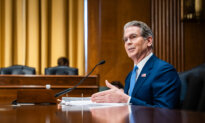
“It’s something that Canadians expect us to do, and we’re very much looking forward to launching it in the near future,” Anandasangaree said in an Aug. 18 interview with the Toronto Star.
Around 1,500 makes and models of firearms were first banned in 2020 under the Trudeau government after a mass shooting in Nova Scotia that year committed by a man using stolen and smuggled weapons.
The list of prohibited firearms was expanded to more than 2,000 makes and models in March of this year.
The Parliamentary Budget Officer estimated the gun buyback price tag at up to $756 million in June 2021, while the Fraser Institute said in a study that it could climb as high as $6 billion.
Anandasangaree said that firearm owners will be given fair compensation in return for turning in their weapons. The Liberal government has said the measure is needed to tackle gun violence and crime. The Conservatives along with provinces such as Alberta and Saskatchewan have criticized the program as ineffective and costly.
Several police departments have stated in the past that they don’t have the resources to carry out the program.
The National Police Federation union, representing RCMP members, said that focusing on getting back firearms from legal gun owners “diverts extremely important personnel, resources, and funding away from addressing the more immediate and growing threat of criminal use of illegal firearms.”
For his part, Anandasangaree said he won’t speculate on potential resistance that comes up to completing the buyback but said that all provinces and police departments will be expected to comply.
“Any region or territory that doesn’t allow us to implement the program, I think it’s doing their people a disservice,” Anandasangaree said. “Ultimately, it’s up to each of the law enforcement agencies to implement what is Canadian law.”
A number of gun control groups have said they strongly approve of banning “assault-style” rifles, measures they say will protect women and children in particular. A joint statement in March of this year praised expanded restrictions on which firearms can be purchased, with co-Chair of Canadian Doctors for Protection from Guns Dr. Najma Ahmed saying, “Guns that can injure and kill many people in mere moments have no place in our society.”
An estimated 26 percent of households in Canada own at least one firearm. Public Safety Canada has not announced how many firearms it intends to collect in the gun buyback, with estimates ranging from 100,000 to more than 500,000. Only slightly above 12,000 guns were collected from businesses and $22 million given in payments during the first stage of the gun buyback program.
As of September last year, approximately $67 million had been spent on Canada’s gun buyback program without any recorded gun returned by an individual gun owner.
 Friends Read Free
Copy
Facebook
Tweet
Friends Read Free
Copy
Facebook
Tweet