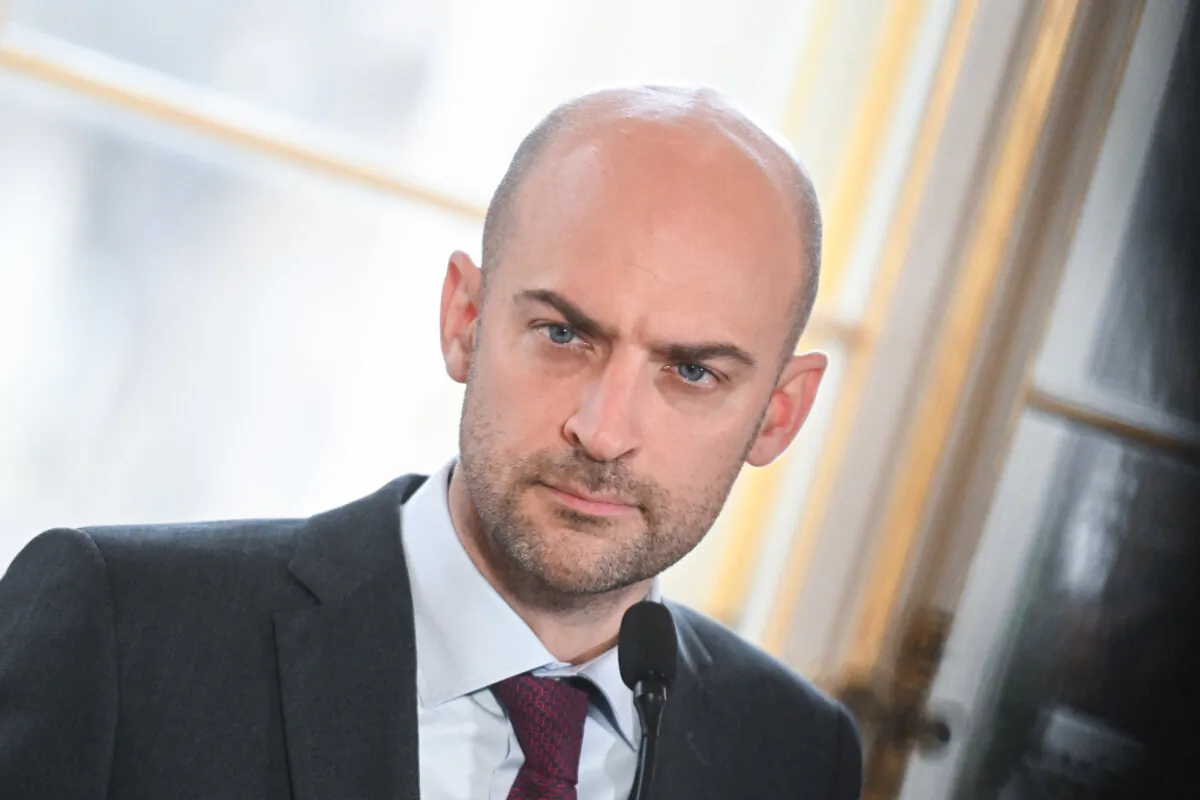

France stated on Jan. 28 that it would support listing Iran’s Islamic Revolutionary Guard Corps (IRGC) as a terrorist organization, as European Union foreign ministers prepare to meet in Brussels to approve new sanctions in response to the Iranian regime’s violent clampdown on nationwide protests.
French Minister for Europe and Foreign Affairs Jean-Noël Barrot said in a Jan. 28 post on X that Paris would back the designation as part of a broader package of punitive measures coordinated with European partners.
“Iran: There can be no impunity,” Barrot said. “The unbearable repression of the peaceful uprising of the Iranian people cannot go unanswered. The extraordinary courage they have shown in the face of the blind violence unleashed upon them cannot be in vain.”
Barrot said the EU would adopt new sanctions in Brussels, including travel bans and asset freezes, targeting those responsible for alleged abuses. He noted that France would support placing the IRGC on the EU’s terrorist list, a move long debated within the bloc.
Barrot also called on Tehran to release detainees, halt executions, restore internet access, and allow a U.N. fact-finding mission to investigate alleged crimes.
Widespread protests erupted across Iran in late December 2025, initially triggered by rising living costs, high inflation, and the sharp depreciation of the national currency.
What began as demonstrations over economic hardship evolved into broader protests against the Iranian regime. Calls for the overthrow of the Islamic Republic were met with a forceful response from security forces, including mass arrests and lethal violence, according to rights groups.
The European debate unfolds against the backdrop of sustained pressure from the United States on Iran, where the IRGC has been designated as a Foreign Terrorist Organization since April 2019. U.S. President Donald Trump has repeatedly warned Tehran against executing protesters, signaling that further escalation could provoke a military response.
Ahead of the Foreign Affairs Council meeting, EU foreign policy chief Kaja Kallas said in a Jan. 29 statement that Iran would dominate discussions on the Middle East.
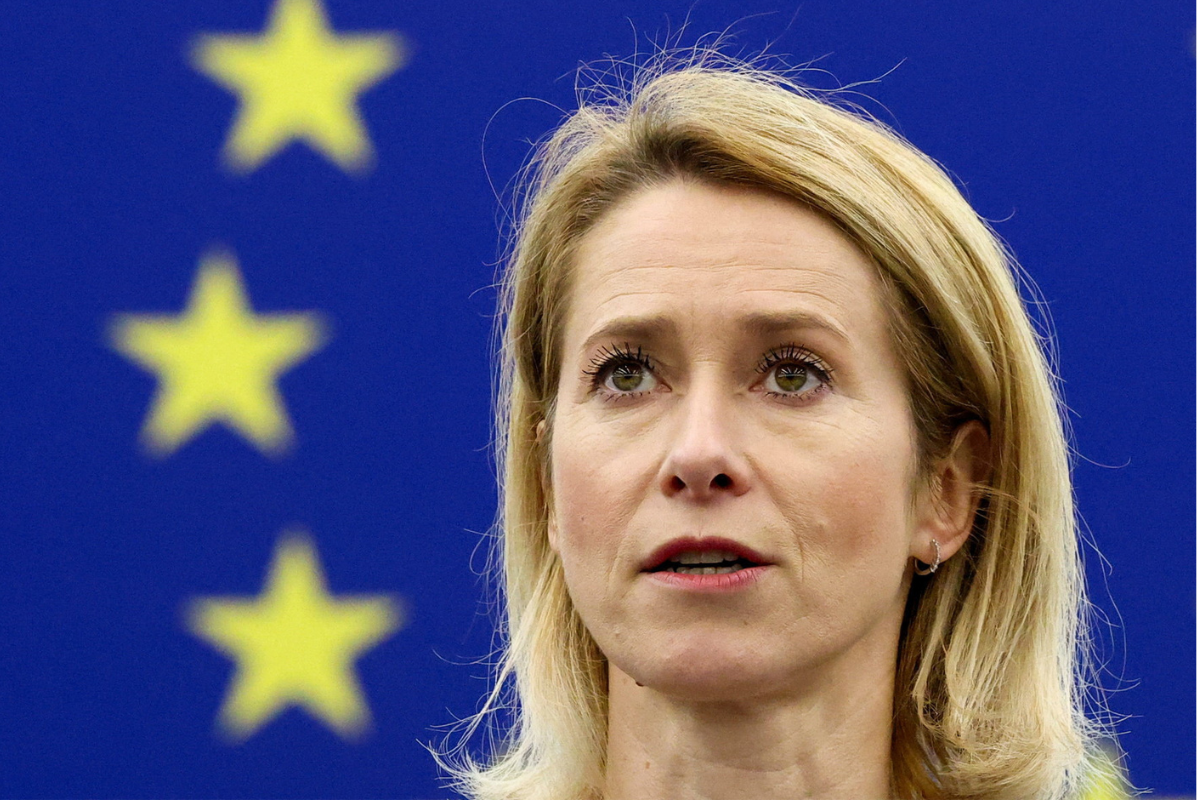
“Of course, the main topic is Iran. We are putting new sanctions on the list, and I also expect that we agree on listing the Iran Revolutionary Guard on the terrorist list,” she said. “This will put them on the same footing with al Qaeda, Hamas, Daesh. If you act as a terrorist, you should also be treated as a terrorist.”
She said the scale of violence used by Iranian authorities against protesters had made further action unavoidable.
“It is clear what we see: the death toll in the protests that were in Iran and the means that were taken by the regime are really severe,” Kallas said. “That is why we are also sending a clear message that if you are suppressing people, it has a price, and you will be also sanctioned for this.”
At least 6,373 people have been killed since protests began, including 5,993 protesters and 113 children, according to Jan. 28 figures published by the U.S.-based Human Rights Activists News Agency (HRANA).
According to HRANA, total arrests had reached 42,486, while thousands of deaths remained under review. The Epoch Times is unable to independently verify the figures.
Asked what specific measures were under consideration, Kallas said the sanctions package would include both individuals and entities linked to violence against protesters, alongside the broader IRGC listing.
Addressing concerns that such a move could hinder European diplomatic operations in Iran, Kallas said the risks had been assessed.
“These risks have been calculated,” she said. “The diplomatic part is out of this revolutionary guard listing. The interactions with the Foreign Minister are not under this. The estimate is that the diplomatic channels will remain open, even after the listing of the Revolutionary Guards.”
US Pressure Intensifies
U.S. President Donald Trump said in a Jan. 28 post on Truth Social that a “massive armada” was heading toward Iran and urged Tehran to negotiate over its nuclear program.
The president noted that a U.S. naval force led by the USS Abraham Lincoln aircraft carrier was moving rapidly toward the region.
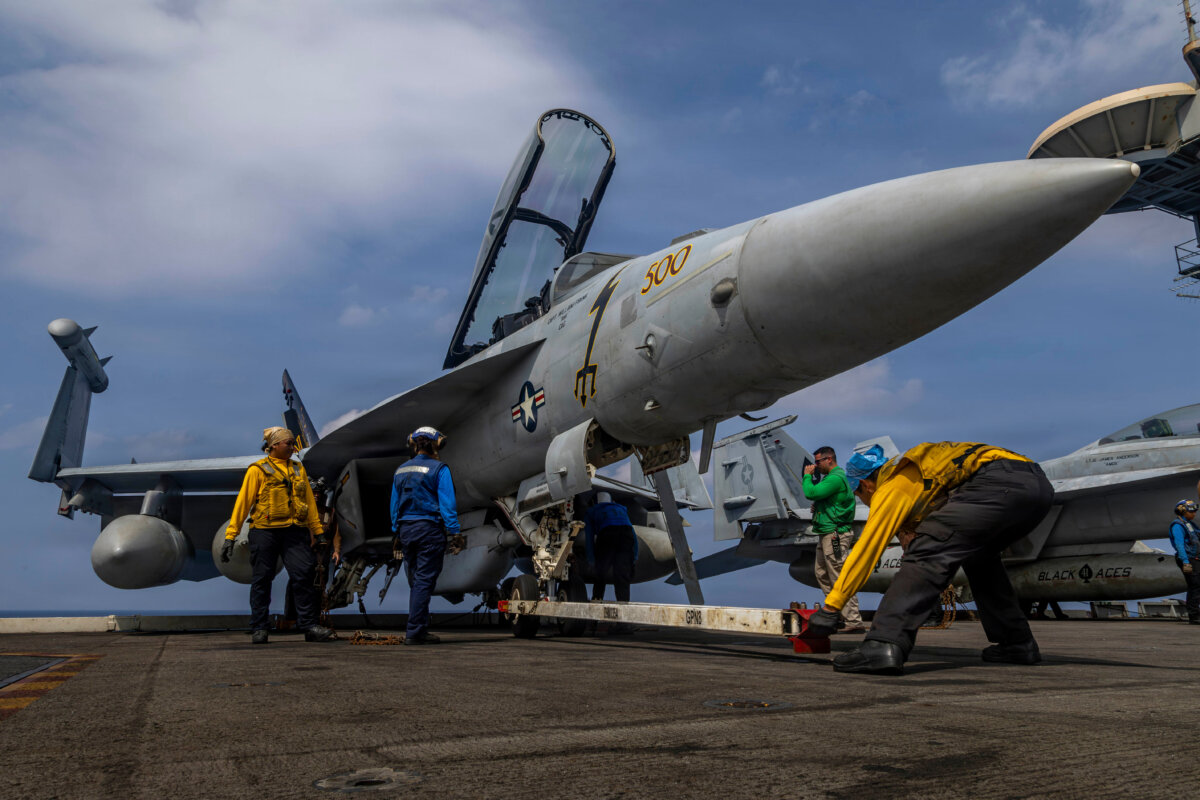
According to Trump, the fleet was ready to “fulfill its mission, with speed and violence, if necessary.”
Trump also referenced U.S. strikes on Iranian nuclear sites carried out in June.
“The next attack will be far worse! Don’t make that happen again,” Trump said.
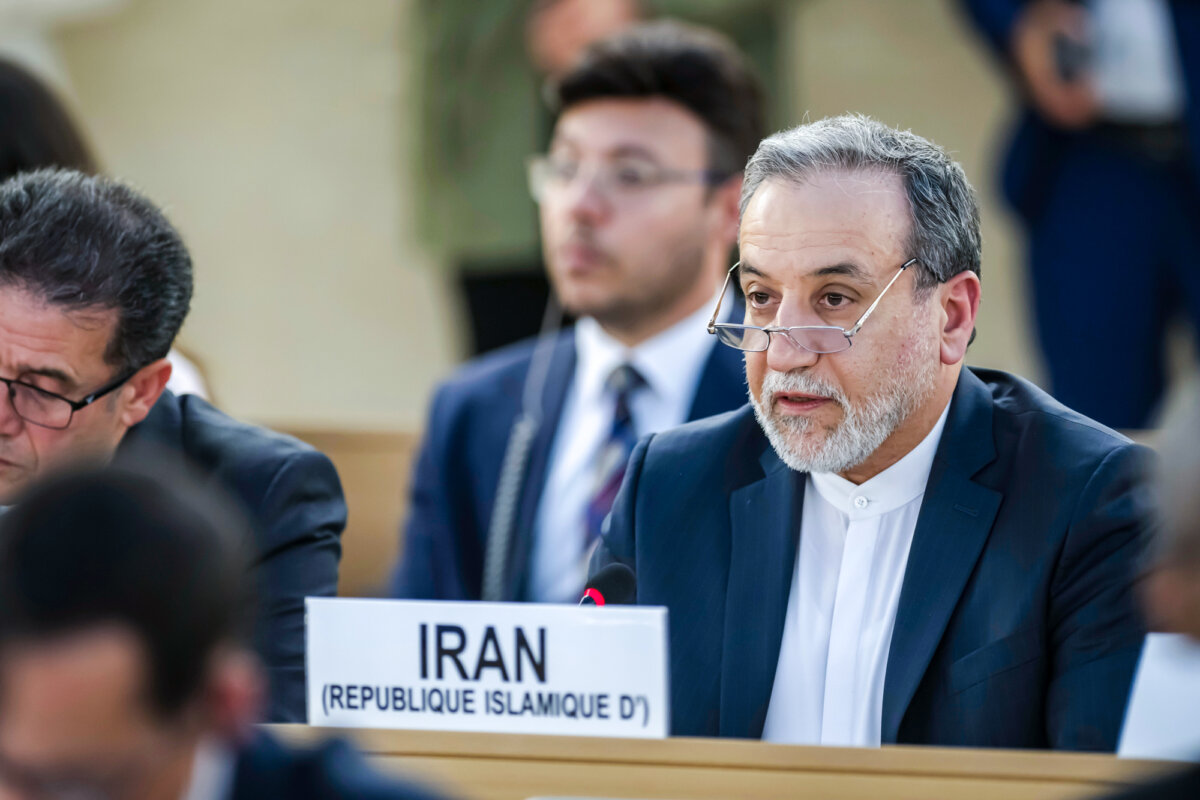
Iranian officials rejected Western pressure and warned of retaliation.
Iranian Foreign Minister Abbas Araghchi said in a Jan. 28 post on X that Iran’s armed forces were prepared to respond to any attack.
“Our brave Armed Forces are prepared—with their fingers on the trigger—to immediately and powerfully respond to ANY aggression against our beloved land, air, and sea,” he said. “The valuable lessons learned from the 12-Day War have enabled us to respond even more strongly, rapidly, and profoundly.”
He said Iran remained open to negotiations on its nuclear program but rejected coercion.
 Friends Read Free
Copy
Facebook
Tweet
Friends Read Free
Copy
Facebook
Tweet