The French and Swiss governments have imposed restrictions on border crossings and ramped up security amid fears of protests at a G7 summit next week where U.S. President Donald Trump will be among the high-profile guests.
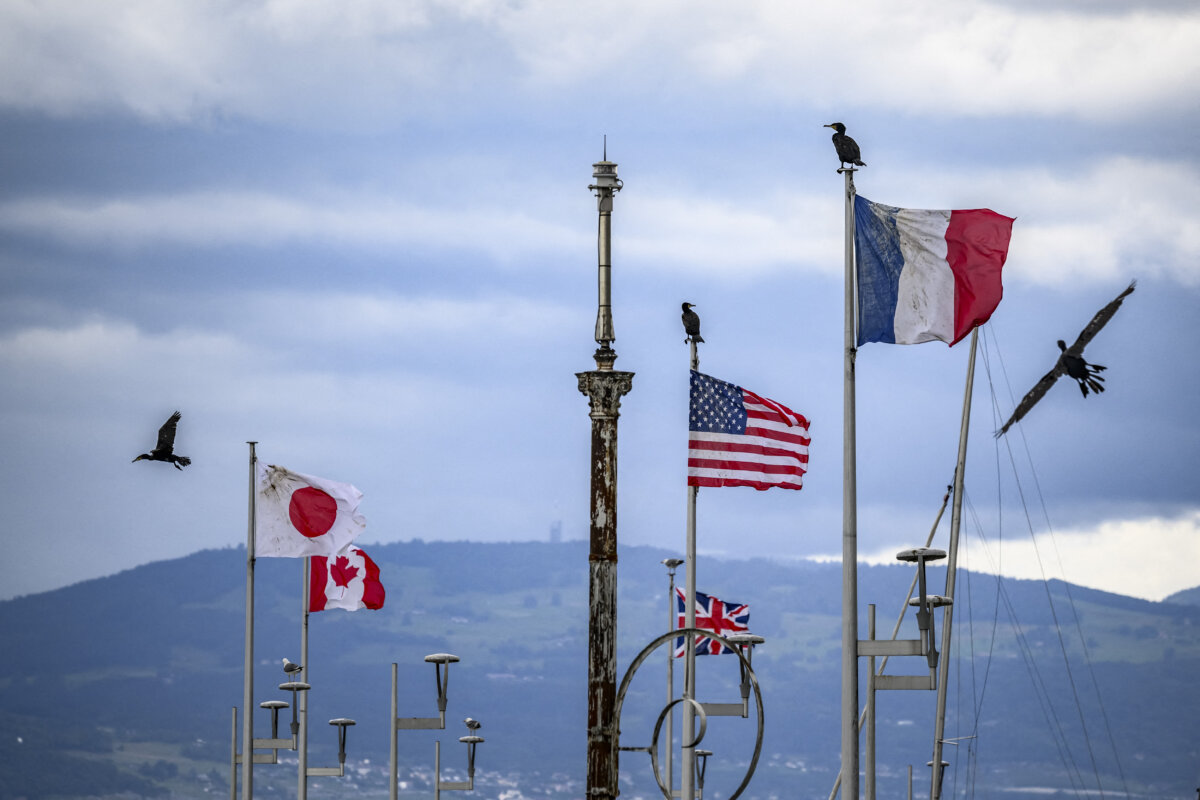
Trump is expected to join the leaders of France, Germany, Japan, the UK, Canada, Italy, and the European Union at the summit, which will take place from June 15–17 in the French town of Evian-les-Bains on the shores of Lake Geneva.
The agenda is expected to include the conflicts in the Middle East and Ukraine, as well as issues surrounding the global economy.
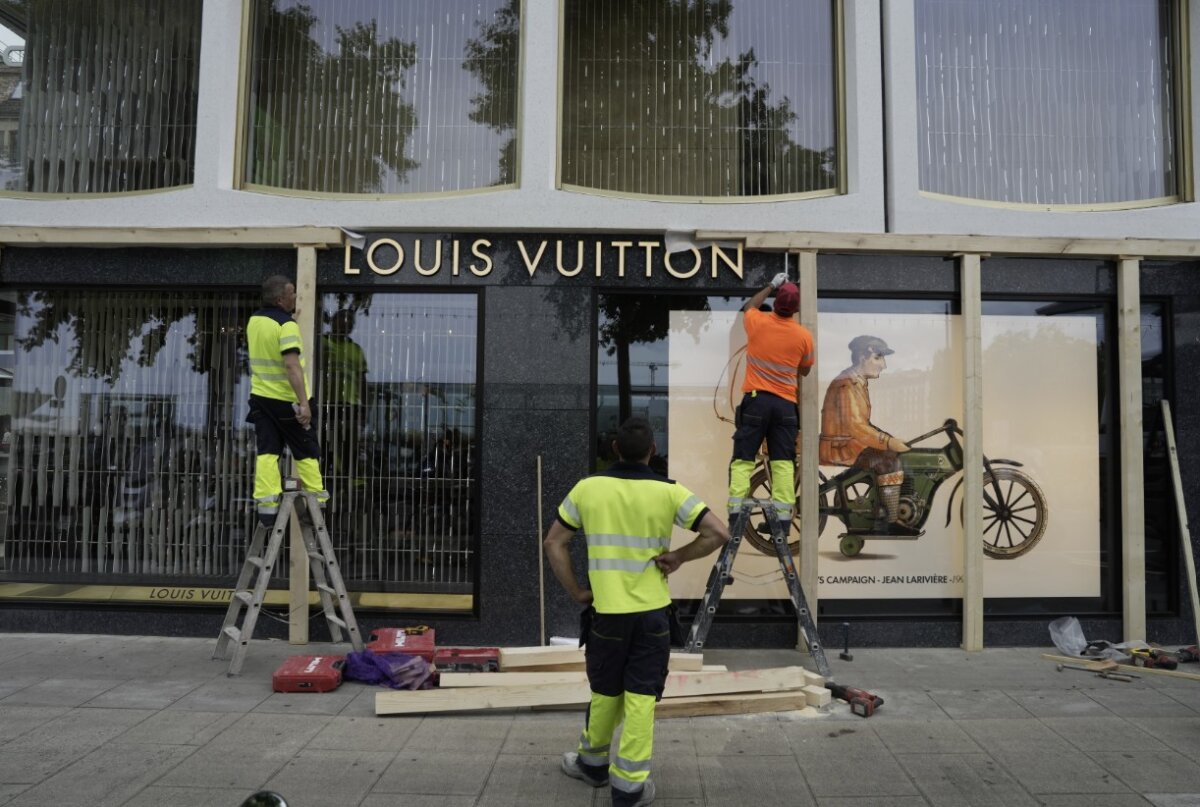
Storefronts in Geneva, just over the border in Switzerland, have been boarded up and the World Trade Organization, which was targeted in Seattle in 1999, has closed its offices and told staff to work from home until the summit is over.
Businesses in Geneva want to avoid a repeat of the 2003 G8 summit protests, which led to dozens of storefronts being vandalized by anti-globalization protesters.
Russia was suspended from the G8 in 2014, after it annexed Crimea, and the group reverted to being known as the G7.
Last year, Trump said it was a mistake to remove Russia, and Russian President Vladimir Putin is on record as saying he does not want to rejoin the group.
France and Switzerland have agreed a military cooperation agreement in the run-up to the summit, and G7 leaders will arrive at Geneva’s international airport—which is in Switzerland but almost surrounded by French territory—before crossing the border to Evian-les-Bains under heavy security.
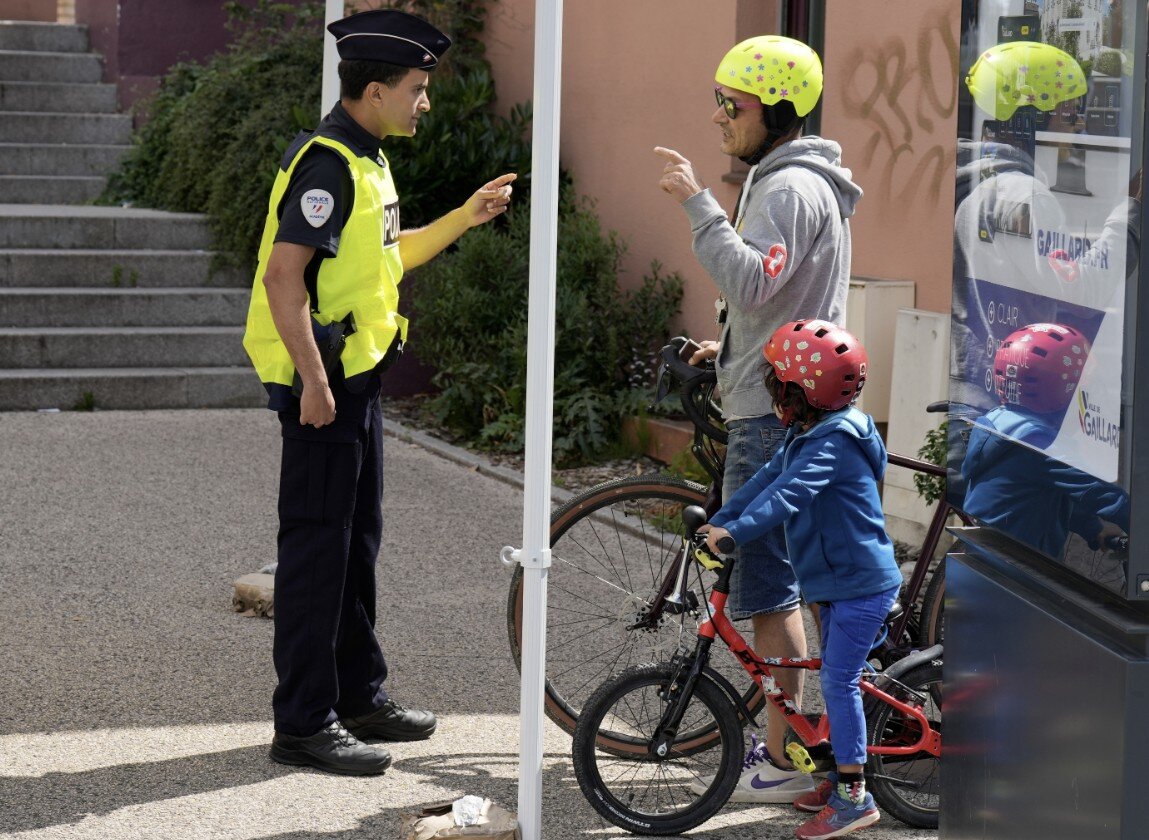
The Swiss government has deployed 4,000 soldiers to support the police, while France has sent more than 13,000 police and gendarmerie officers to secure the summit.
The French Foreign Ministry says more than 110,000 people commute across the border every day to work in Geneva, and the number of French border control officers is being increased from 60 on a normal day to 800.
There will be airspace restrictions, patrols on Lake Geneva, and road closures. Only seven of the 35 highway border crossings will be open.
‘Internationalist Mobilisation’ Call
No G7, a coalition of anti-capitalist groups, has called for a “large-scale internationalist mobilisation against this meeting.”
“As the G7 meets in Evian, France, to plan the destruction of peoples, the exploitation of life, and the domination of bodies, let us organize our resistance against fascism and imperialism,” the group stated on its website.
Carole-Anne Kast, a senior local authority official, said the canton of Geneva is due to spend 20 million Swiss francs ($25 million) on security costs.
Residents of Evian-les-Bains, known for its bottled water, have been given special access permits, and the zone around the Hotel Royal, where the summit will take place, will be cordoned off.
Apart from an authorized march on June 14, there is a ban on public gatherings.
The Associated Press and Reuters contributed to this report.
 Friends Read Free
Copy
Facebook
Tweet
Friends Read Free
Copy
Facebook
Tweet