
Global military expenditure rose by 2.9 percent to $2.89 trillion in 2025, the 11th consecutive year of growth, despite a 7.5 percent decline in the United States, according to a Stockholm International Peace Research Institute (SIPRI) report released on April 27.
The top three spenders—the United States, China, and Russia—accounted for $1.48 trillion, or 51 percent, of the global total.
Although the United States remained the biggest spender, its defense spending fell by 7.5 percent to $954 billion in 2025, mainly because of the lack of new financial assistance packages for Ukraine, in stark contrast to the $127 billion approved for Kyiv over the previous three years.
Washington nevertheless continued heavy investment in nuclear and conventional forces to deter China in the Indo-Pacific.
The cost of the ongoing war between the United States and Iran has not been taken into account, as it began in 2026.
SIPRI Military Expenditure and Arms Production Director Nan Tian said that the decline in U.S. military expenditure in 2025 “is likely to be short-lived.”
“Spending approved by the US Congress for 2026 has risen to over $1 trillion, a substantial increase from 2025, and could rise further to $1.5 trillion in 2027 if President [Donald] Trump’s latest budget proposal is accepted,” he said in a statement.
China remained the world’s second-largest spender, lifting its budget by 7.4 percent to $336 billion, marking the 31st consecutive year of growth.
In Russia, the world’s third-largest spender, military expenditure reached an estimated $190 billion, up by 5.9 percent year on year.
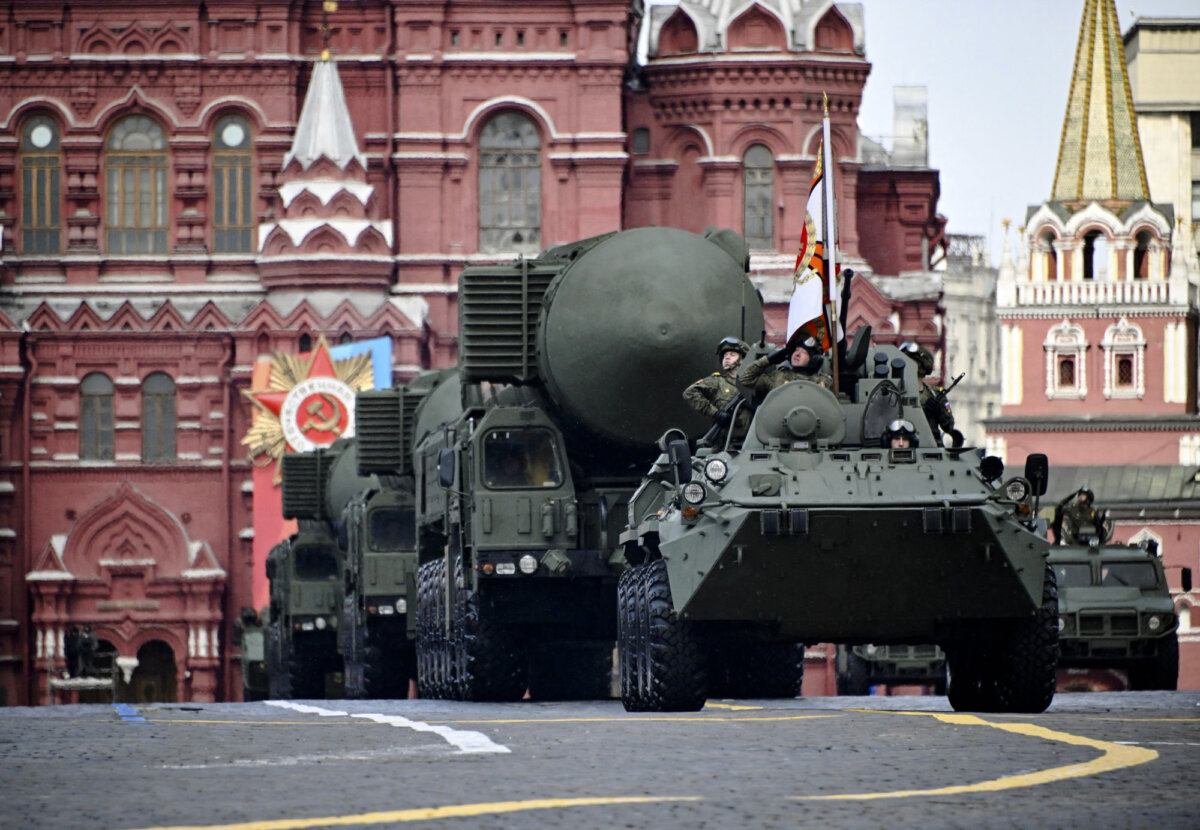
This was the slowest annual rate of growth in Moscow’s military spending since its full-scale invasion of Ukraine in 2022; however, the Kremlin’s military burden remained high, at 7.5 percent of gross domestic product (GDP) in 2025.
Military spending as a share of Moscow’s government spending reached 20 percent, the highest level ever recorded by SIPRI.
Europe
Ukraine was the seventh-largest spender, increasing its budget by 20 percent to $84.1 billion, equivalent to 40 percent of its GDP, according to the report.
Rises were also seen across Europe, particularly among NATO members, following repeated criticism by the Trump administration of alliance members for failing to keep up their military spending and for relying on American largesse.
Germany, the continent’s largest economy, raised its spending by 24 percent to $114 billion, which amounted to 2.3 percent of the nation’s GDP, marking the first time Berlin crossed the 2 percent NATO threshold since 1990 and making it the fourth-largest spender globally.
Including Germany, 22 of 29 European NATO countries met or exceeded the 2 percent GDP target.
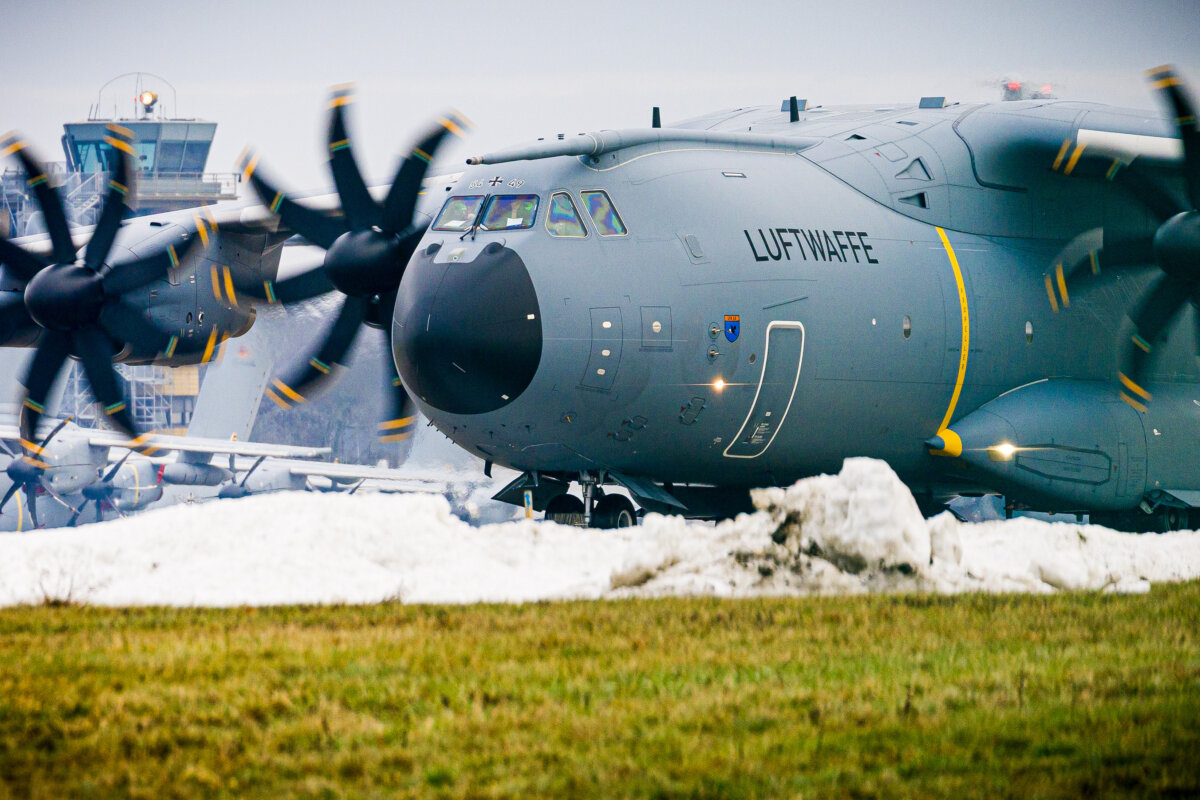
Belgium saw the largest increase among European NATO members, with a 59 percent increase in spending to $14.5 billion, while Spain’s expenditure rocketed by 50 percent to $40.2 billion, pushing it above the 2 percent mark for the first time since 1994.
Denmark and Norway also both recorded percentage increases in spending in the high 40s, while Sweden, Italy, and Poland all posted rises above 20 percent.
At the other end of the scale, France raised spending by just 1.5 percent, while the UK recorded a 2 percent drop, although it remained above the NATO GDP threshold, devoting 2.4 percent of its GDP to defense.
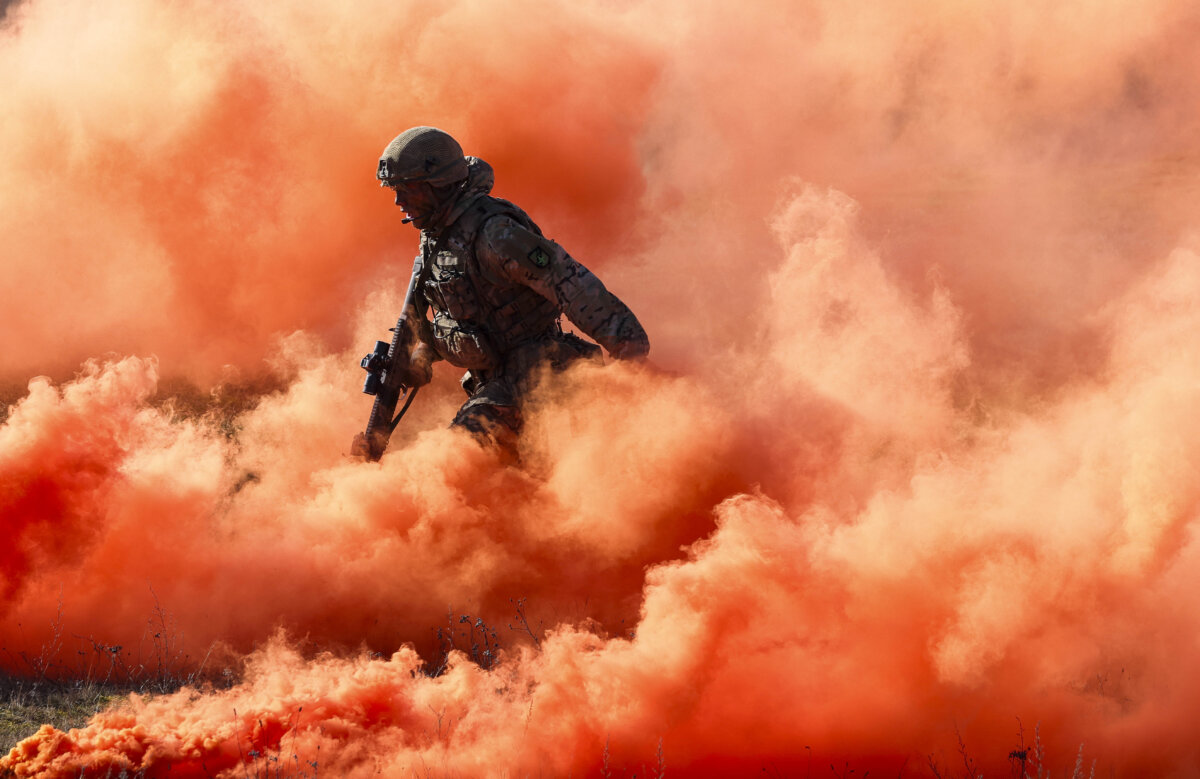
Jade Guiberteau Ricard, a researcher with the SIPRI Military Expenditure and Arms Production Programme, said that 2025 saw military spending by European NATO members rise faster than at any time since 1953, saying that this reflected “the ongoing pursuit of European self-reliance alongside increasing pressure from the United States to strengthen burden sharing within the alliance.”
She said in a statement that as countries strive to meet the new NATO spending targets agreed to in 2025, “there is a risk that the boundaries between military and other ‘defence- and security-related’ expenditures become blurred, reducing transparency and further complicating the assessment of military capabilities.”
Around the World
Across Asia and Oceania, spending rose by 8.1 percent to $681 billion, the fastest annual increase since 2009, with Japan boosting spending by 9.7 percent to $62.2 billion, amounting to 1.4 percent of GDP, its highest since 1958.
Taiwan also raised its spending by 14 percent to $18.2 billion amid increased concern about aggression against the island nation from the Chinese communist regime in Beijing.
In the Middle East, expenditure was largely unchanged at $218 billion.
Israel’s spending dipped by 4.9 percent to $48.3 billion after the January 2025 Gaza ceasefire, although it remained 97 percent higher than in 2022.
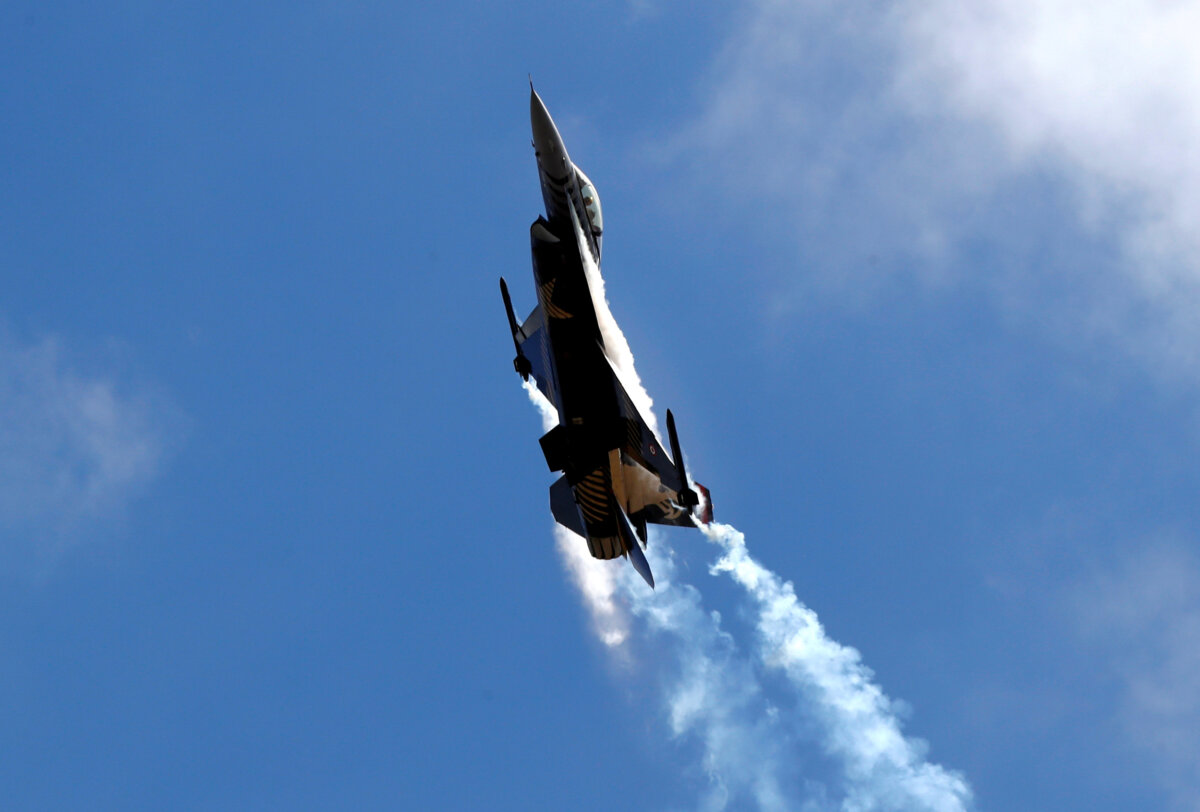
Across the region, NATO member Turkey’s budget grew by 7.2 percent to $30 billion, while Iran’s spending dropped by 5.6 percent to $7.4 billion in its second consecutive year of decline.
In Africa, military expenditure grew for the third consecutive year in 2025 to reach $58.2 billion across the continent, an increase of 8.5 percent.
Across South America, spending also rose by 3.4 percent to $56.3 billion, while in Central America and the Caribbean, it fell by 27 percent to $17.1 billion.
 Friends Read Free
Copy
Facebook
Tweet
Friends Read Free
Copy
Facebook
Tweet