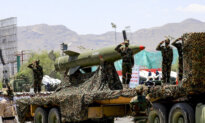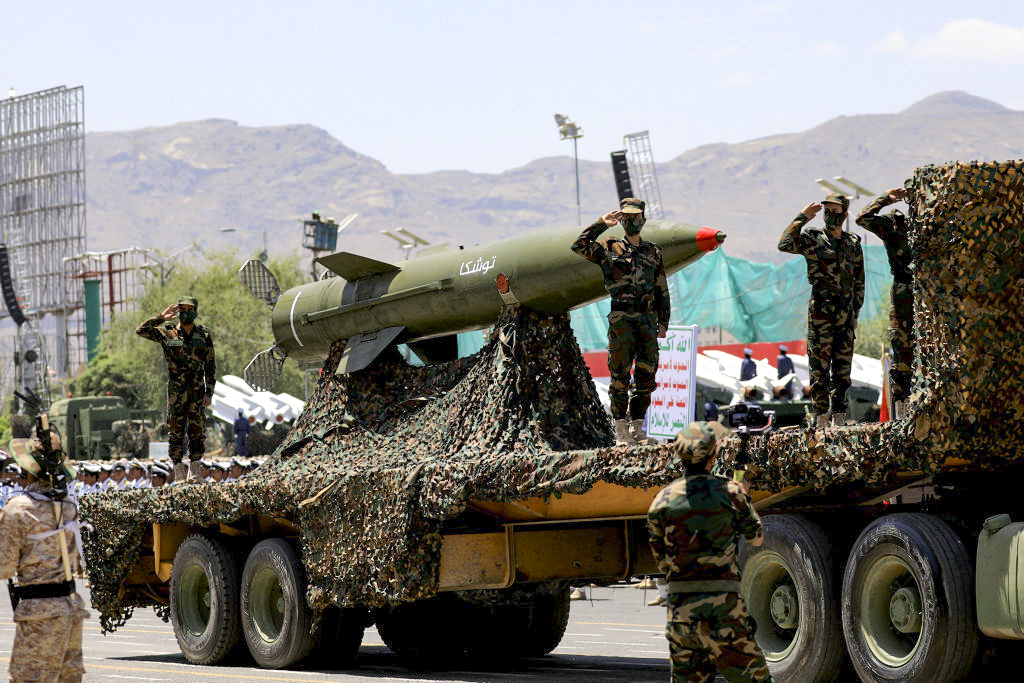

A Houthi attack on southern Saudi Arabia injured 11 civilians on Aug. 6, a Saudi military official said.
Maj. Gen. Turki al-Maliki, a spokesman for the Saudi-led military coalition, which backs Yemen’s internationally recognized government, said in an Aug. 7 statement posted on X that the attack in Najran Province injured seven Saudis, including a 4-year-old child who suffered second-degree burns, one Yemeni, two Egyptians, and a Pakistani national.
“The terrorist Houthi militia carried out these terrorist attacks using indiscriminate shelling against civilian objects, which is a flagrant violation of the Customary International Humanitarian Law through deliberate targeting of civilians and civilian objects,” he said, adding that “the Joint Forces Command of the Coalition will continue to undertake all deterrent measures against these terrorist aggressions in protection of civilians.”
The Houthis have not yet commented on the attack in Narjan.
Houthi military spokesperson Yahya Saree said in an Aug. 6 post on X that they carried out a number of strikes on Saudi-led coalition forces within Yemen.
“Our Armed Forces carried out a large-scale and qualitative military operation targeting the Saudi enemy’s military buildups in the areas of Al-Ruwaik, Al-Abr, and Al-Thaniyah, as well as other camps belonging to what are called the First and Third Emergency Divisions, using a large number of ballistic missiles and drones,” Saree said.
“Hundreds of the Saudi enemy’s mercenaries were killed or wounded. A large number of the Saudi enemy’s camps, military buildups, warehouses, and weapons were destroyed and set ablaze in the Al-Wadiah area in the east of the country. A large number of military vehicles located in the targeted camps were destroyed.”
Saudi Arabia’s more than decade-long conflict with the Houthis has become increasingly entangled with the wider, U.S.–Israeli war against Iran, particularly after the terrorist group declared a blockade of Saudi shipping through the Red Sea, further disrupting global oil supplies, which have already been strained by the Iranian blockade of the Strait of Hormuz.
Earlier this week, the Houthis said they had launched a missile attack on a Saudi oil tanker off the coast of the kingdom’s Red Sea port city of Yanbu.
The group added that this strike took the number of Saudi vessels that had been hit since the Houthis announced the blockade of the Bab el Mandeb Strait on July 20 to eight and the number forced to turn back to 29.
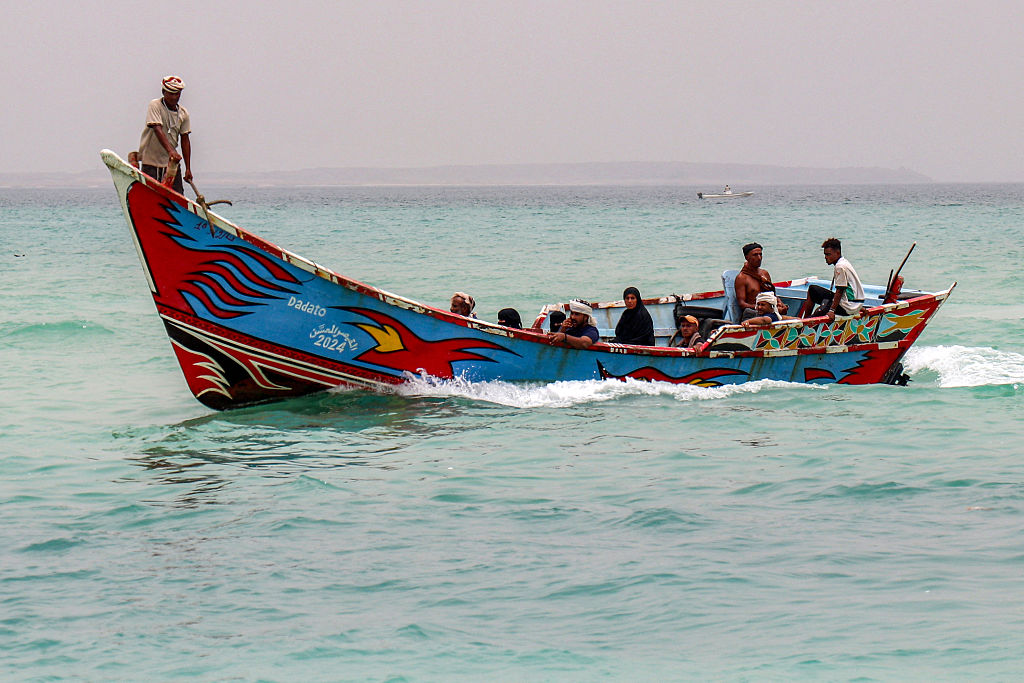 People sit in a fishing boat sailing the Bab el-Mandeb Strait off of Yemen’s southern Taiz province on July 25, 2026. (Khaled Ziad/AFP via Getty Images)
Vessels transporting oil, container goods, and other cargo regularly pass through the strait on routes connecting Asia, Europe, and the Middle East. Disruptions can affect markets, increase insurance costs, and push ships toward longer voyages around Africa.
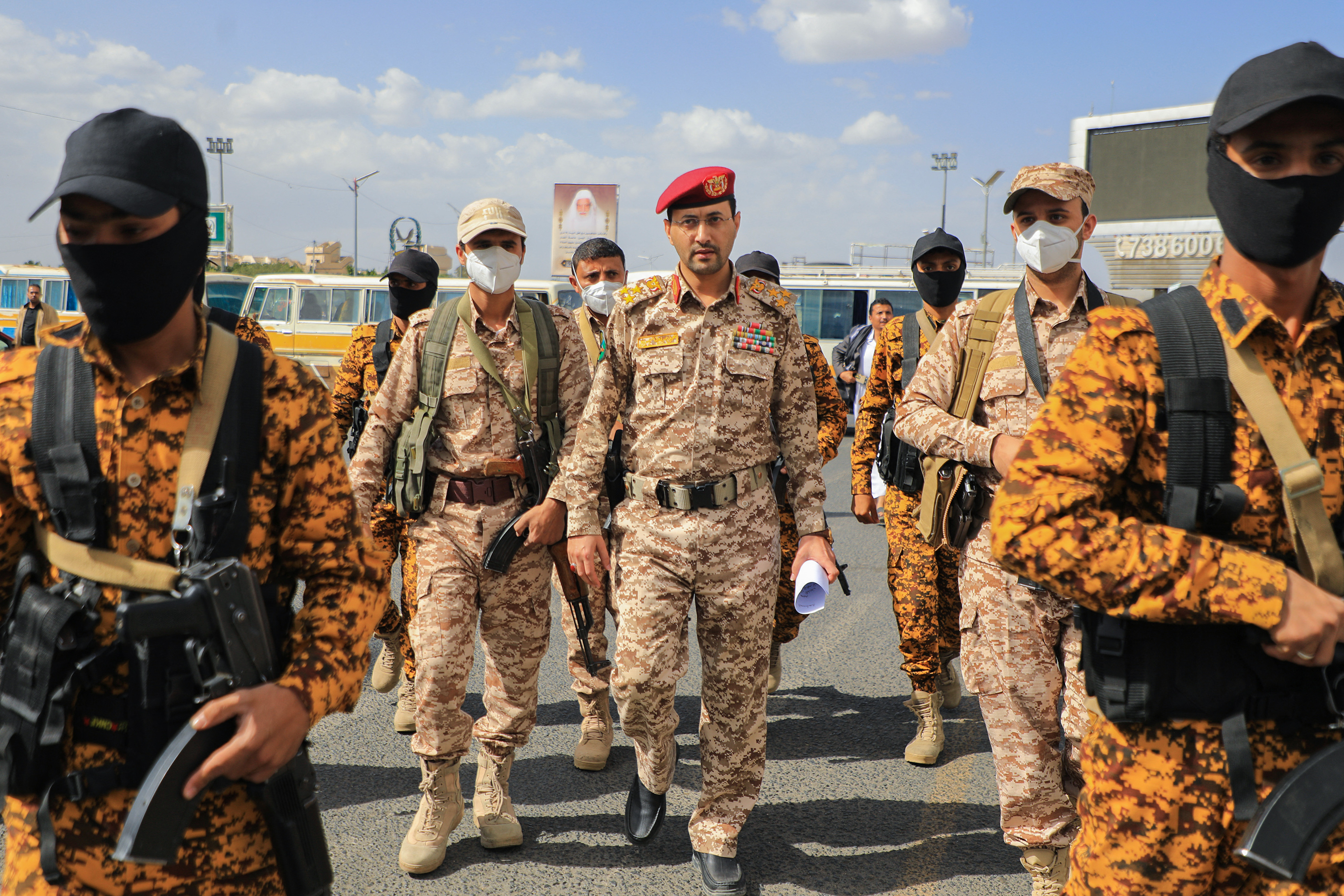 Houthi spokesman Yahya Saree arrives to deliver a statement during a rally in Sanaa, Yemen, on March 15, 2024. (Photo by Mohammed Huwais/AFP via Getty Images)
On July 28, U.S. Central Command said that it has coordinated with Saudi Arabian Armed Forces and launched strikes against Iran-aligned terrorists in Iraq. It said that Iran’s Islamic Revolutionary Guard Corps had directed those terrorists to attack U.S. forces and Saudi energy infrastructure.
Iran-backed terrorists in Iraq had launched more than 30 aerial drone attacks in the preceding 72 hours, none of which were successful, according to the U.S. military. From February through April of this year, they carried out more than 600 attempted attacks on U.S. citizens and facilities, according to Central Command.
 Friends Read Free
Copy
Facebook
Tweet
Friends Read Free
Copy
Facebook
Tweet