



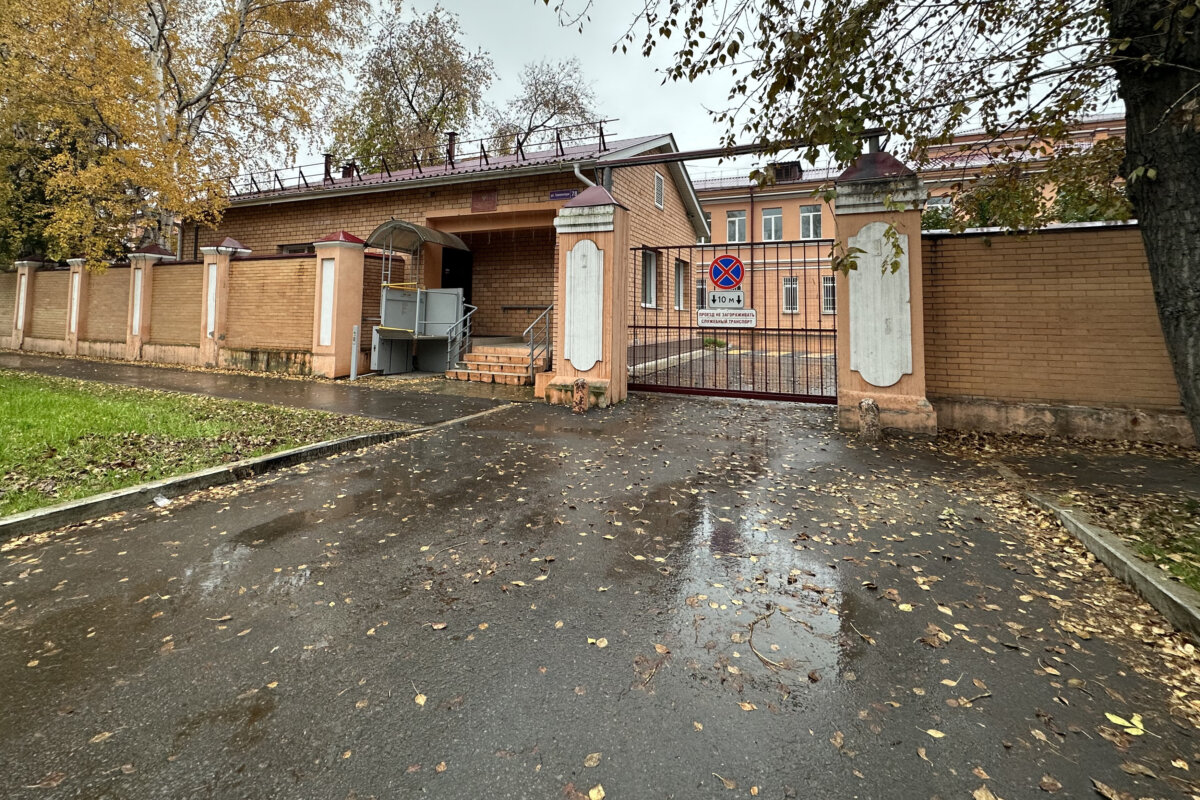
Russian officials on Oct. 7 responded after reports of the death of a second worker from a facility in Siberia that studies the plague.
“There is a great deal of media coverage, and the vast majority of what the media are reporting about this situation is false information,” Kremlin spokesman Dmitry Peskov said.
He advised the media and others to rely on information provided by the country’s health regulator, which said Wednesday that there were no risks of an epidemic breaking out in Siberia.
The World Health Organization (WHO) had on Tuesday asked Russian officials for more information about the situation involving the Irkutsk Anti-Plague Research Institute of Siberia and the Far East.
The first worker, 28, died on Oct. 2. Russian authorities have labeled the cause of death pneumonia of unknown etiology, while some local and international officials said plague might have been the cause.
“WHO has remained in contact with the Russian health authorities and has offered technical support,” Tedros Adhanom Ghebreyesus, WHO’s director-general, said in a statement. “WHO has requested further information to clarify the cause of the severe pneumonia, the pathogen that prompted the public health measures, and media reports of a second employee with pneumonia of undetermined cause.”
WHO’s international health regulations require member countries to notify WHO of public health events with actual or potential implications for international public health and to verify information that has come to WHO’s attention regarding such events.
Peskov said that Russia had informed WHO about the worker’s death.
Rospotrebnadzor, Russia’s health watchdog, said that it was winding down precautionary measures that had been put in place because there is no risk of an epidemic.
No cases of plague had been detected among anyone who had come into contact with the deceased worker, Darya Shipilova, it said, and 90 percent of those placed in quarantine had been released after nearly 5,000 lab tests had failed to detect any dangerous pathogens.
It said Shipilova had been vaccinated and had therefore been “immune to the dangerous infections with which she worked.” It did not say though what had caused the pneumonia which killed her or how she fell ill.
WHO declined to comment. A spokesperson told The Epoch Times in an email that Tedros would speak at a press briefing later Wednesday.
The U.S. Embassy in Russia on Tuesday issued an alert advising American citizens to follow the guidance of health authorities and to avoid any affected facilities, while President Donald Trump said he would be talking to Russian President Vladimir Putin “very soon” about the situation.
Unresolved questions include whether the worker’s death was caused by plague or “another high-consequence pathogen,” and whether Russian authorities would disclose the results of extended laboratory investigations, researchers with the Biothreats Emergence, Analysis, and Communications Network said on Tuesday.
Kevin Esvelt, a researcher with the Massachusetts Institute of Technology, said on X that the quarantines in Siberia, the reported involvement of Russia’s spy agency, and the use of hazmat in response to the death indicate that “Russia believes an epidemic is possible—and that the responsible agent is likely a pandemic weapon or otherwise embarrassing for the government.”
He said in another post: “If we take the Russian authorities at their word, it is not plague. But untargeted research-grade sequencing reliably identifies pathogens, and people seldom die of pneumonia without pathogens, let alone 28-year-olds. It would be surprising if they did not know the cause.”
Reuters contributed to this report.