


Health Premium

Nocturia: 50 Million Americans Wake Up at Night to Urinate–Here Are the Causes
Management typically starts with lifestyle changes regardless of the underlying cause.
New PFAS Pesticides Are Entering Our Food System, Revealing a Conundrum
What makes these pesticides appealing is also what makes them dangerous.

Push-Up Science: 4 Exercises to Build Upper-Body Strength
Push-ups have a long, storied history, dating from the Persian and Roman empires. You can use these same exercises today to strengthen and tone your body.
Corn: A 9,000-Year-Old Staple With 3 Main Health Benefits
However, the corn once revered by ancestors is no longer as natural, with more than 90 percent of U.S. corn currently genetically modified.

How Exercise Helps Protect Against Glaucoma, Macular Degeneration, and Other Eye Diseases
Exercise boosts blood flow, brain-eye communication, and stem cell repair in the eyes.
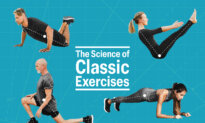
The Science of Classic Exercises
From squats and planks to push-ups and carrying, these time-tested movements require little more than your own body, yet deliver powerful gains.
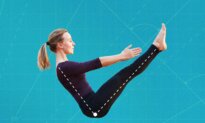
Hinge Science: 5 Hinge Exercises to Restore Hip Function
Hip hinge exercises can help decrease back pain, optimize core musculature, and restore proper hip function. Get hip to better health with these five exercises.
A Major Trial Pit Keto Against the Mediterranean Diet. Keto Won
The same foods have different consequences for people in different metabolic states.
What Happens to Your Body When You Do Strength Training Regularly
Up to 50 percent of muscle mass is lost by age 80, but you can reverse it.
Something in the Environment Could Be Driving Up Autism
Chemicals in the environment have sharply risen in the past century, and the effects pass from generation to generation.
While You Sleep, Your Eyes Are Cleaning Waste
The eyes run an overnight waste-clearance operation, and it's largely affected by how you sleep.
No, It’s Not Your ADHD Acting Up
For many, attention-deficit/hyperactivity disorder has a clear—and fixable—root cause.
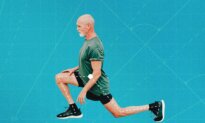
Lunge Science: 5 Lunges to Maximize Leg and Core Strength
Lunges can build strength and balance at the same time without needing specialized equipment. The following exercises can get you strong and sure-footed.
The Benefits Toys Can Give Children That Screens Never Will
Toys profoundly affect children's brain development—and beyond.

Eggplant: A Rich Source of Antioxidants—How to Get the Most From It
Eggplant contains alkaloids that may occasionally cause mild sensitivity or inflammatory reactions in some people.
Why Your Immune System Ages and How to Slow It Down
It is true that the immune system ages, but it is not beyond repair.

Swimming: A Full-Body Workout That Builds Muscle and Cardio–Here Are 11 Benefits
Water resistance challenges nearly every major muscle group.
Squat Science: 5 Squat Exercises to Strengthen Lower-Body Muscles
The squat exercise has a long history of effectiveness, dating back thousands of years. The following five squat movements can help strengthen you today.
Blood Carries Nutrients and More. Here’s How to Nourish It
Our blood is a vital, life‑supporting force that nourishes the body and anchors the mind.
Your Kidneys and Bladder May Be Failing Faster—and Why That’s Happening
Two of the body's quietest organs are often the ones most worth listening to.

What Sunlight Can Do for Your Retina
Research shows daily sunlight exposure can prevent myopia in children and protect against cataracts and glaucoma in adults.
CKM Syndrome: A New Condition 9 in 10 Adults May Have–Here Are the Causes
CKM syndrome progresses through stages, and you can move backward through them—not just forward.
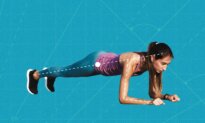
Plank Science: 6 Plank Exercises to Build Core Strength
Planks are great for strengthening your core, including the deep muscles of your trunk. These six plank variations can elevate your core to new heights.

Do Plants Have Consciousness?
The boundaries we have drawn around perception and awareness may be narrower than we thought.

Peaches: An Unexpected Source of Carotenoids That Benefits the Eyes and Skin
Peaches owe their golden-orange hue to carotenoids, natural plant pigments.

The Foods That Feed Your Eyes
A healthy diet provides nutrients that protect delicate eye tissues, filter harmful light, preserve the retina, and regulate intraocular pressure.

Hunchback: Spine’s Natural Curve Becomes Abnormal–Here’s How to Reverse It
A hunched back, medically known as kyphosis, often becomes more pronounced after age 40 and affects up to 40 percent of adults over 60.