
The Education Department has faced scrutiny over whether Australia’s research security framework is adequate after it was revealed that some university collaborations with Iranian institutions continued despite repeated government warnings to cease them.
The issue was raised at a recent Senate Estimates hearing by the Senate Education and Employment Legislation Committee.
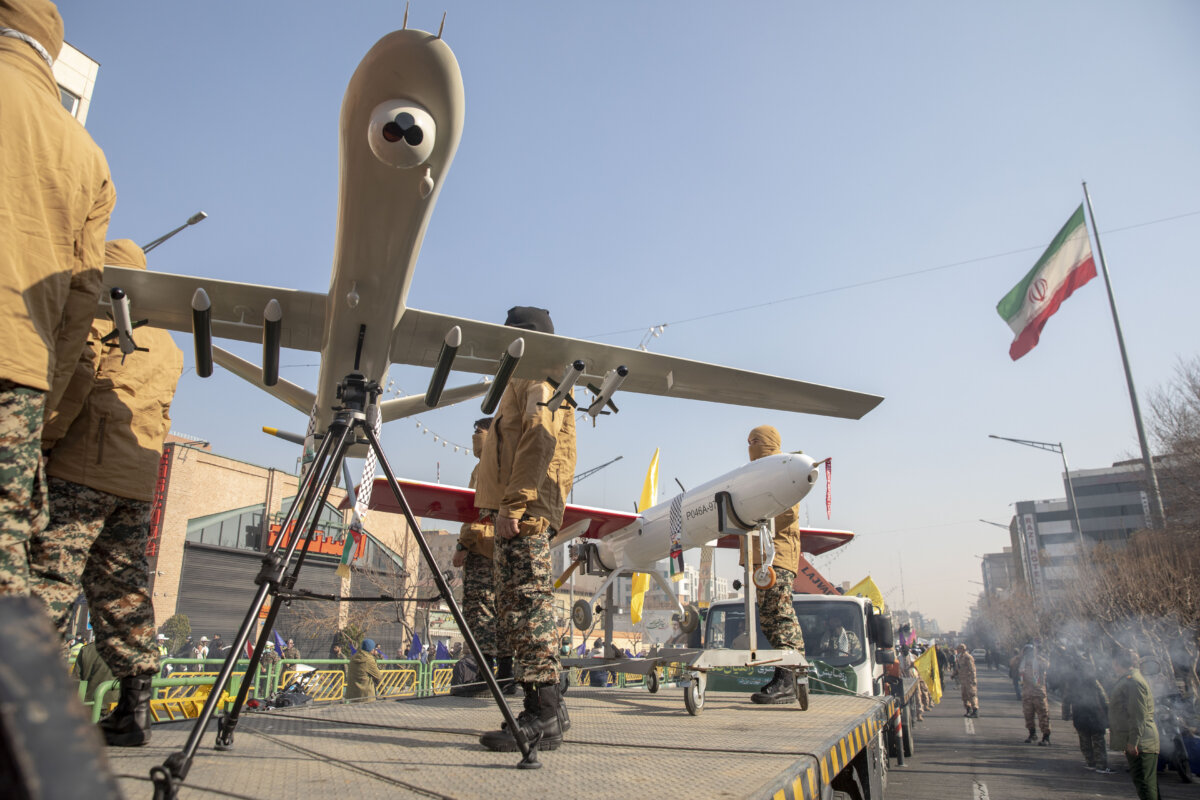
During the session, Liberal Senator Maria Kovacic questioned officials about media reports that researchers from the University of Sydney, the University of New South Wales and the University of Adelaide had continued collaborating with Iranian counterparts on research aimed at improving the efficiency of unmanned aerial vehicles—after the government had issued warnings on doing so.
In March 2026, reports claimed at least three Australian universities had connections to Iranian scientists in the field of drone technology in recent years, with Foreign Minister Penny Wong having issued notice to universities to cease information sharing with Iran in 2023.
In response, Department officials said the government had acted quickly once concerns were identified, writing to universities and engaging in a lengthy process to gather information and ensure relevant agencies across the the federal government were informed.
The also noted that research security remained a matter of concern for the government and that officials maintained close contact with universities regarding potential risks.
When pressed on why some collaborations had continued despite the government’s directive, Jasmina Joldic, secretary of governance and international relations at the Department, said universities had been made aware of the government’s expectations, but some arrangements technically remained lawful.
“As soon as we have become aware, we have written to all of the vice chancellors, but beyond the initial letters that were sent, it was a weeks’ long process to understand the information that they had that they could provide us and ensure that we have reported it to the right agencies within the Commonwealth government,” she said.
The Education Department’s assistant secretary for national security, Simon Moore, said the Department had sought to ascertain how collaboration with Iran had continued at some Australian universities.
“If the question is, ‘is research security and research to research contact a matter of concern for the government?’ the answer is yes, and we’re in close contact with universities, not just over articles that appear in the press, but over many other incidents that we’re aware of, and I’m sure there’s ones that we aren’t,” he said.
“Some universities did continue where those collaborations were still permissible under Australian law. So where they weren’t in breach of sanctions, where they weren’t in breach of foreign arrangement scheme, some researcher to researcher contact, some institutional relationships with some countries were permissible with this, despite being perhaps contradictory to Australian government expectations of collaboration.”
Kovacic then returned to the specific allegations involving research on unmanned aerial vehicles and asked why those projects had been allowed to proceed.
However, Moore declined to comment on the accuracy of the reporting or discuss the details of specific cases.
The exchange highlights a potential gap between government expectations and the laws available to restrict international research collaborations, particularly when national security may be a factor.
 Friends Read Free
Copy
Facebook
Tweet
Friends Read Free
Copy
Facebook
Tweet