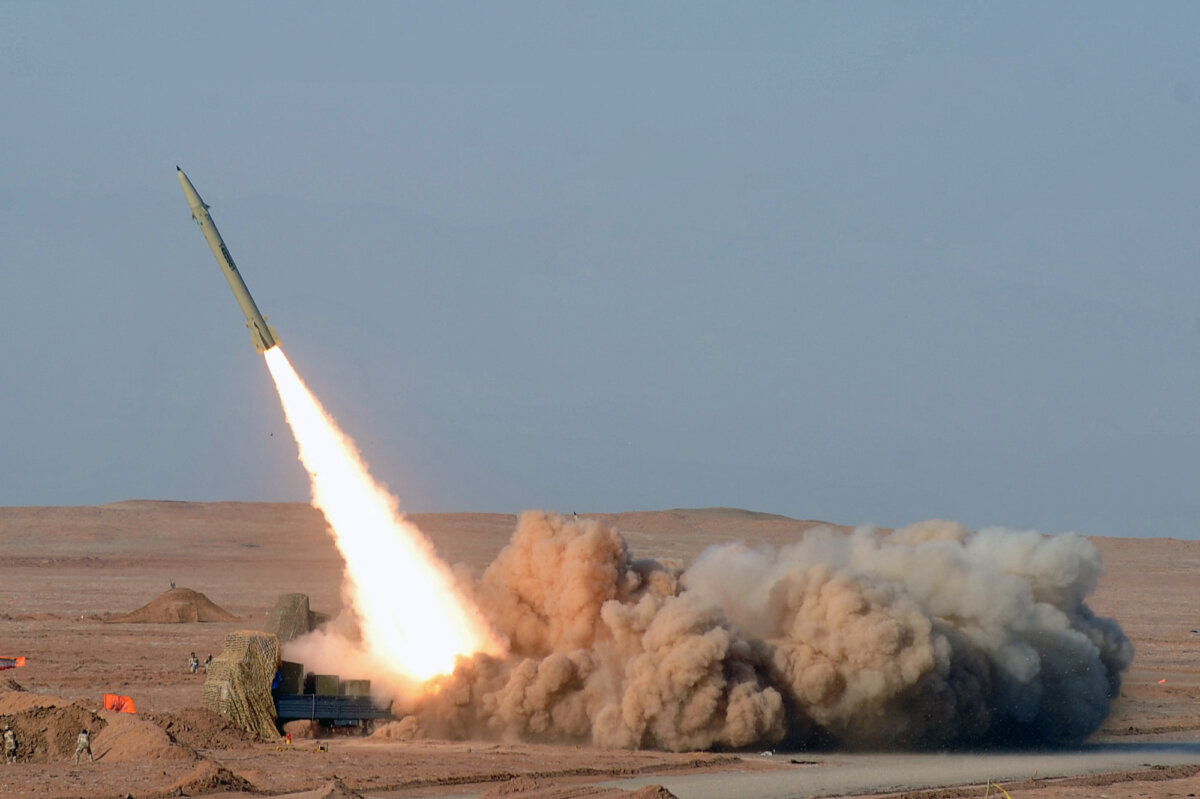

Iran’s Revolutionary Guards warned on Wednesday that future U.S.–Israeli military strikes against the country would lead to a greater conflict.
“The regional war that was promised will this time be extended beyond the region, and our crushing blows will bring you to ruin in places you cannot imagine,” the Islamic Revolutionary Guard Corps (IRGC) said through Iran’s semi-official Mehr News agency on May 20.
The Iranian military organization, which did not elaborate on how it would extend its attacks beyond the Middle East, added that it did not fully use all of its weapons when the United States and Israel launched strikes against Iran starting on Feb. 28.
U.S. President Donald Trump on Monday announced that he called off U.S. strikes against Iran that were scheduled for Tuesday, with the hope that Tehran would move toward submitting a peace deal to the United States. He said that the leaders of Saudi Arabia, the United Arab Emirates, and Qatar also urged the United States not to launch a fresh round of strikes.
On Tuesday, Vice President JD Vance told reporters at the White House that Iran’s leadership is fractured. He added that the regime’s negotiating position is not clear. However, he stressed that the U.S. military remains “locked and loaded” if the order is handed down to strike Iran again.
That same day, Trump said that he had given Iran two or three days, or possibly by the start of next week, to come to an agreement. He did not provide any other details.
“I was an hour away from making the decision to go today,” Trump told reporters at the White House on May 19.
The Iran ceasefire has mostly held, though there was a spike in attacks on shipping and on Gulf states in early May when Trump announced a naval mission to reopen the strait, only to call it off about two days later.
This week saw a new volley of drones launched at Saudi Arabia and the UAE, which said the drones came from Iraq, where militia allied to Iran operate. Jordan reported shooting down a drone on May 20.
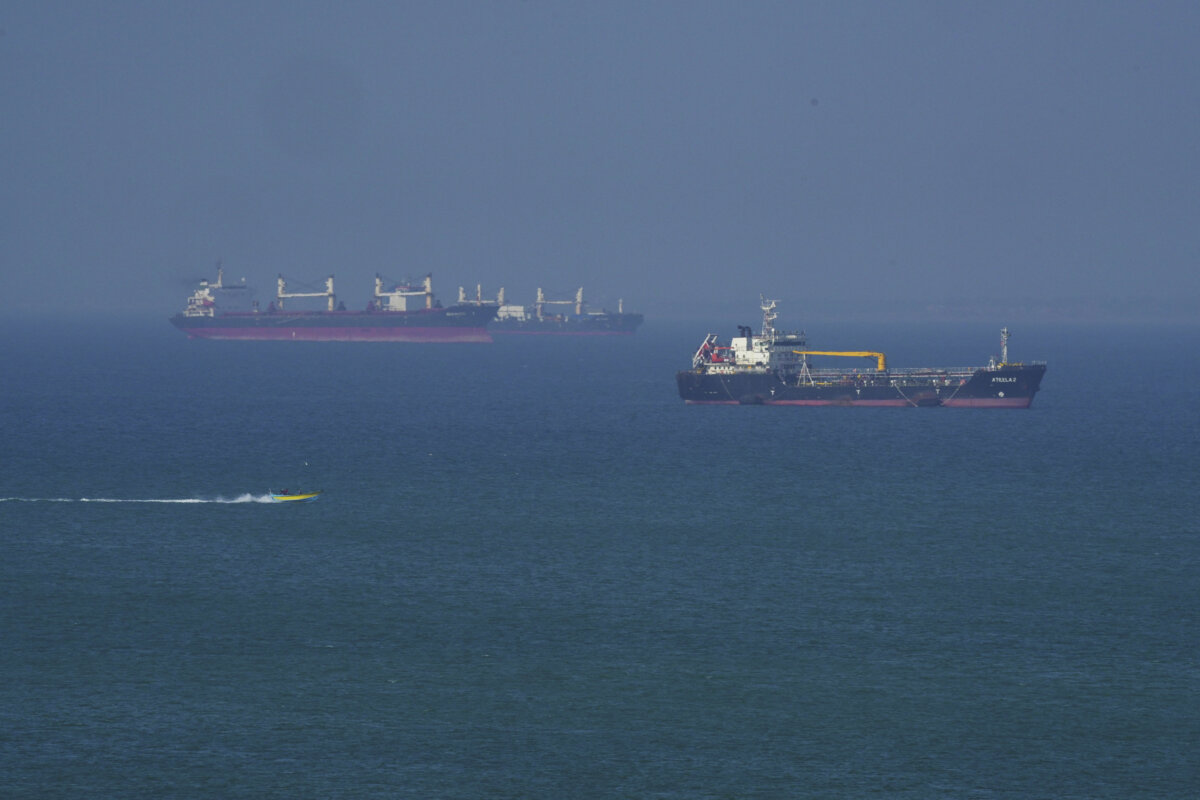
Iran has largely shut the Strait of Hormuz to all ships apart from its own since the U.S.–Israeli campaign began in February, leading to the biggest disruption to global energy supplies in history.
The United States responded last month with its own blockade of Iran’s ports, with the U.S. military saying that it has stopped or redirected more than 80 ships traveling to and from Iran.
Trump has demanded a rollback of Iran’s nuclear activities, while Iran has said it has a right to enrich uranium. U.S., European, and Israeli officials for years have said Iran is working to enrich uranium to weapons-grade potential, while Tehran has disputed those assertions.
Vance on Tuesday also reiterated that the Iranian regime cannot be allowed to develop a nuclear weapon, saying it would cause instability in the Middle East and potentially spark a worldwide nuclear conflict.
Iran has been found to have enriched its uranium to 60 percent purity, far exceeding the 3 to 5 percent needed for civilian nuclear power. Further enriching uranium from 60 percent to the 90 percent needed for weapons-grade material can be done in a matter of weeks.
Reuters contributed to this report.
 Friends Read Free
Copy
Facebook
Tweet
Friends Read Free
Copy
Facebook
Tweet