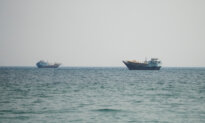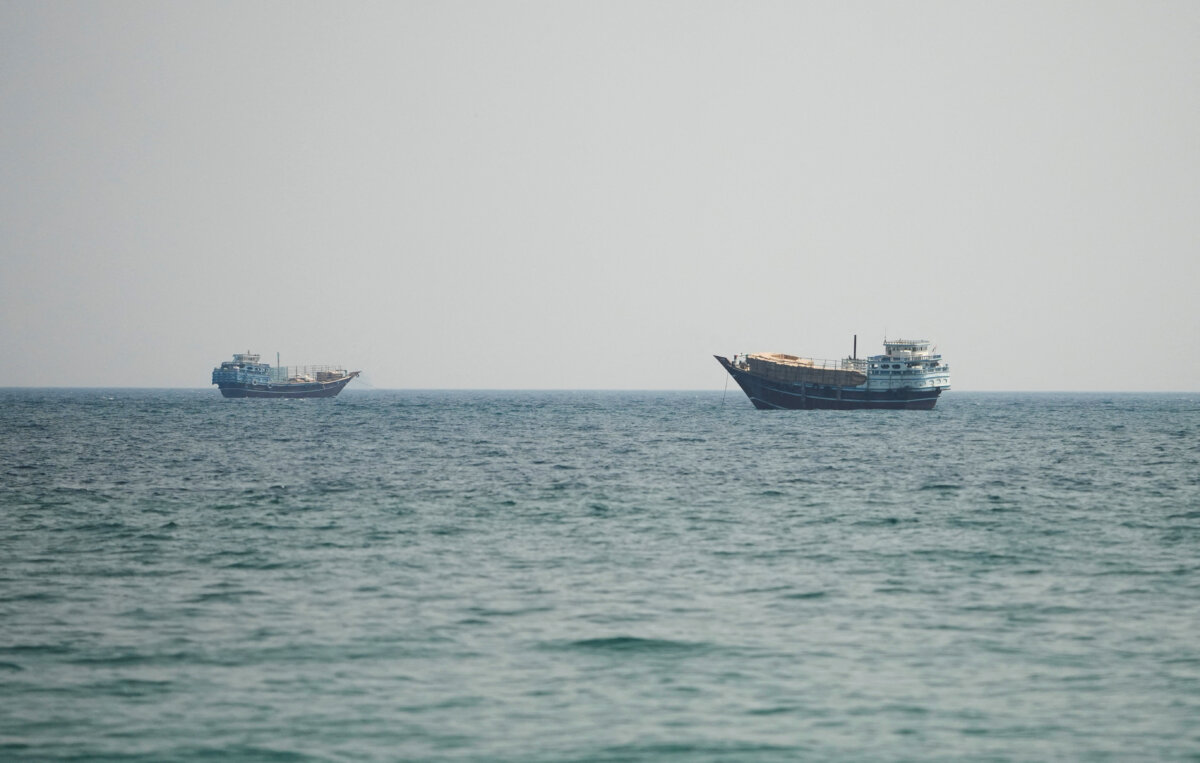

Iranian cruise missiles hit two Emirati-owned oil tankers transiting the Strait of Hormuz on Tuesday, killing one Indian sailor and wounding eight others, some seriously, United Arab Emirates officials said.
The strike and earlier attacks over the weekend have rattled oil markets amid a contentious situation in the Middle East.
The UAE Ministry of Defense condemned the Iranian attacks.
The tankers, the Mombasa and the Al Bahiyah, were traveling in the southern shipping lane, in Omani waters, which the sultanate has opened to toll-free international shipping, when the Iranian missiles hit. Fires broke out on both ships but were brought under control.
“The injured comprise six Indian nationals and two Ukrainian nationals,” the ministry stated, extending its sincere condolences and sympathy to the family of the victim, as well as to the government and people of the Republic of India. It also wished the injured a speedy recovery.
Meanwhile, British maritime authorities reported another tanker struck by an unknown object approximately 40 nautical miles northeast of Oman’s Qalhat. The object hit the engine room on the starboard side of the vessel.
Several more commercial vessels have been hit by Iranian projectiles in or near the strait in recent days, with the threat level from the U.S. Navy-led Joint Maritime Information Center (JMIC) being raised to “severe.”
“Mariners should expect sustained naval presence, increased IRGC (Islamic Revolutionary Guard Corps) hailing and monitoring along transit routes, and possible diversion of AIS-equipped vessels to the northern Iranian-controlled route,” the JMIC’s July 14 advisory stated. “Enhanced force protection measures, increased VHF hailing, and congestion near anchorage areas should also be anticipated.”
Washington has launched new strikes on Iranian sites over the past week. In addition, the Trump administration has revoked a sanctions waiver that under a June agreement had allowed Iran to keep selling oil.
“The Office of Foreign Assets Control is revoking GL X, which authorized the sale of Iranian oil. As President Trump and the administration have repeatedly affirmed, the memorandum in effect with Iran is entirely performance-based,” a U.S. official told The Epoch Times.
Tehran’s Islamic Revolutionary Guard Corps on Monday also laid claim to the strait and threatened to shut down traffic.
“The Strait of Hormuz is our territory, and we will not allow a rogue and child-killing army from the other side of the world to continue its illegal interference in it,” the IRGC declared.
Its negotiations with Oman on ensuring the strait is open to safe, international maritime traffic remain unresolved.
Brent crude jumped nearly 4 percent Monday morning. West Texas Intermediate followed closely behind.
American and Israeli strikes targeted Iran’s military and nuclear facilities in February after a third round of U.S.–Iran nuclear talks in Geneva concluded without an agreement. A 60-day ceasefire deal in June led temporarily to increased shipping. Yet disagreements persist over who controls which lanes and tolls, and how closely ships stick to certain routes, which have hampered traffic throughout the region.
 Friends Read Free
Copy
Facebook
Tweet
Friends Read Free
Copy
Facebook
Tweet