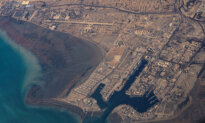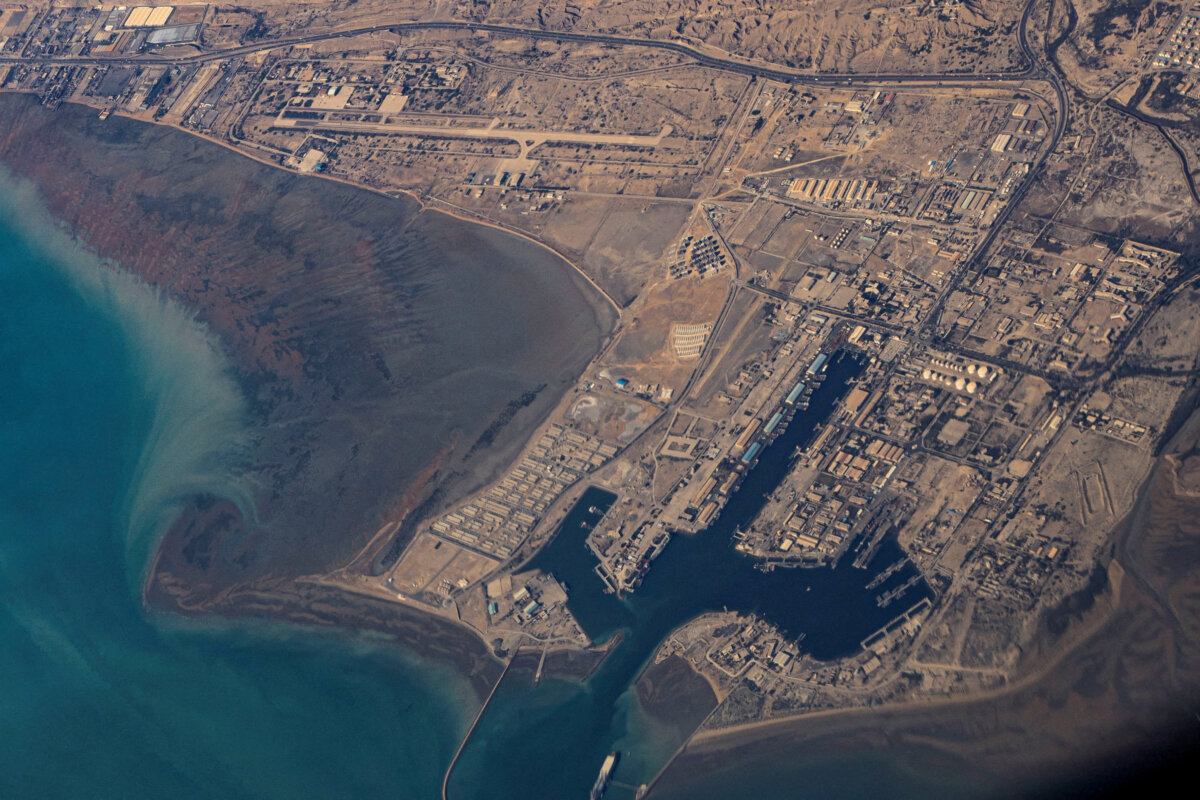

The Iranian foreign ministry has said that vessels associated with the United States or Israel will be blocked from transiting the Strait of Hormuz, ahead of an April 7 deadline from U.S. President Donald Trump, who has warned the country’s power plants and bridges could be struck if the Strait of Hormuz is not fully reopened.
During an April 6 press conference, Iran’s Ministry of Foreign Affairs spokesman Esmaeil Baqaei said that Tehran won’t allow what it deems enemy vessels to pass through the strait, according to Tasnim, a news agency affiliated with the Islamic Revolutionary Guard Corps (IRGC).
Ships that are deemed by the regime to be non-hostile may be able to transit the strait, he suggested, adding that preparations are underway to make sure those vessels can pass. Iran has previously attacked ships in the waterway and around the Middle East, claiming they are linked to the United States and Israel.
In the multi-week conflict, traffic through the strait has been heavily restricted, leading to a surge in oil and gas prices worldwide. Around 20 percent of the world’s oil is typically transported through the waterway.
Iran has allowed some ships through the Strait of Hormuz in recent weeks, but traffic is down by more than 90 percent from the same period last year.
Three Omani-operated tankers, a French-owned container ship, and a Japanese-owned gas carrier have crossed the strait since April 2, shipping data showed, reflecting Iran’s policy to allow passage for vessels it deems friendly.
Washington has demanded a full reopening of the strait as a condition for de-escalation.
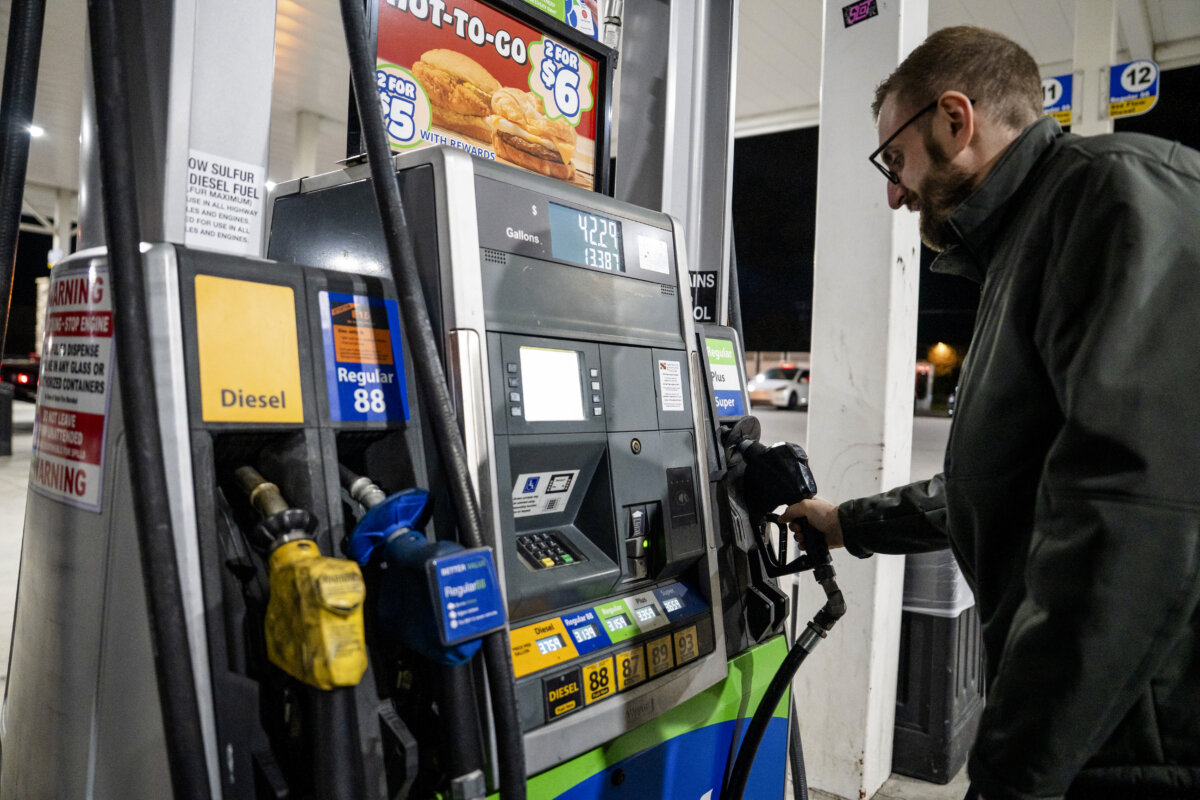
The national average for a gallon of gas is firmly above $4—California, Nevada, and Washington are already contending with $5-a-gallon gas—according to the American Automobile Association.
The price of Brent crude oil hit a high of $111.89 late on April 5 and was trading at about $109 on April 6.
The comments from the Iranian official come a day after Trump warned in Truth Social posts that the country needs to open the Strait of Hormuz by the deadline on Tuesday or the U.S. military will strike the country’s bridges and power plants.
Trump told The Hill that he also isn’t ruling out sending in ground troops to Iran if the country doesn’t take a deal to end the conflict, while he suggested that the regime’s leaders are acting in an irrational manner.
“Normal people would make a deal. Smart people would make a deal,” the president said on Sunday. “If they were smart they would make a deal.”
Iran’s state-run IRNA news agency said Tehran rejected the latest cease-fire proposal and wants a permanent end to the war. The agency said it has conveyed its response to the United States through Pakistan, a key mediator.
“We only accept an end of the war with guarantees that we won’t be attacked again,” Mojtaba Ferdousi Pour, head of the Iranian diplomatic mission in Cairo, told The Associated Press on April 6.
During the news conference, Baghaei said that Tehran is “calling for an end to the war and for preventing its recurrence,” in response to the cease-fire proposal. He described the U.S. plan as “extremely excessive and unusual and illogical,” adding that Iran has a “very bitter experience of negotiating with the U.S.”
Iranian officials on Monday said IRGC intelligence chief Maj. Gen. Majid Khademi was killed in the conflict, according to Tasnim.
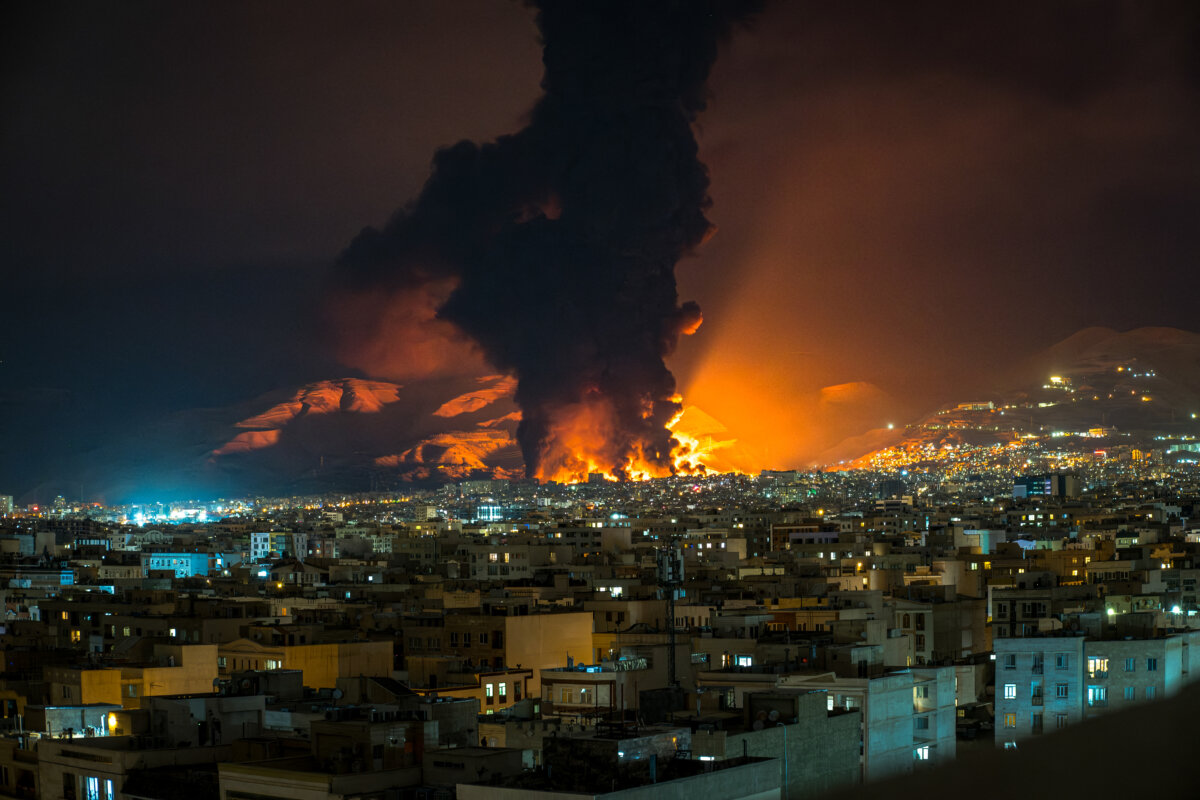
Israeli Prime Minister Benjamin Netanyahu said Monday that his country’s military separately struck a petrochemical facility in Iran that he said was part of a systematic campaign aimed at destroying the IRGC’s “money machine.”
“We are destroying factories, we are eliminating activists and we continue to eliminate senior figures,” he said in a statement.
The Associated Press contributed to this report.
 Friends Read Free
Copy
Facebook
Tweet
Friends Read Free
Copy
Facebook
Tweet