The speaker of the Iranian Parliament on March 10 said Tehran would strike back if the United States or Israel started an infrastructure war, while stressing that the country doesn’t want a cease-fire.
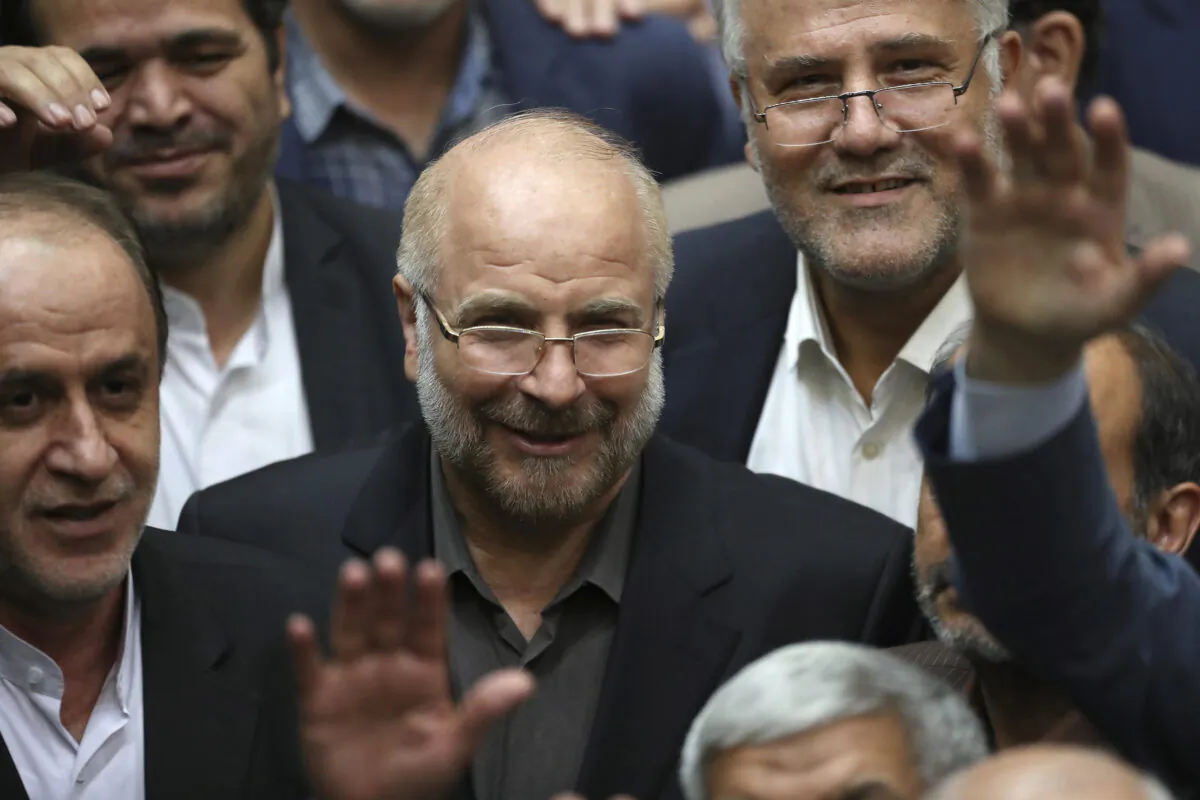
“The enemy knows that whatever they do, we will undoubtedly have a proportionate and immediate response; no evil will go unanswered,” Speaker Mohammad Bagher Ghalibaf wrote in a post on X, according to a translation.
Ghalibaf said that Iran will adopt “an eye for an eye” approach, adding, “If they start an infrastructure war, we will undoubtedly target infrastructure.” He did not elaborate on what targets Iran’s military could strike.
Hours earlier, Ghalibaf wrote in another post on X that Iran is not seeking a cease-fire and added that the country “must strike the aggressor in the mouth so that he will never think of attacking our beloved Iran again.”
Iran will also not allow oil to be exported from the region if U.S.–Israeli strikes continue, a spokesperson for Iran’s Islamic Revolutionary Guard Corps, Maj. Gen. Ali Mohammad Naeini told CNN early on March 10.
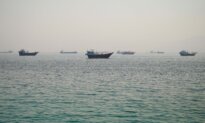
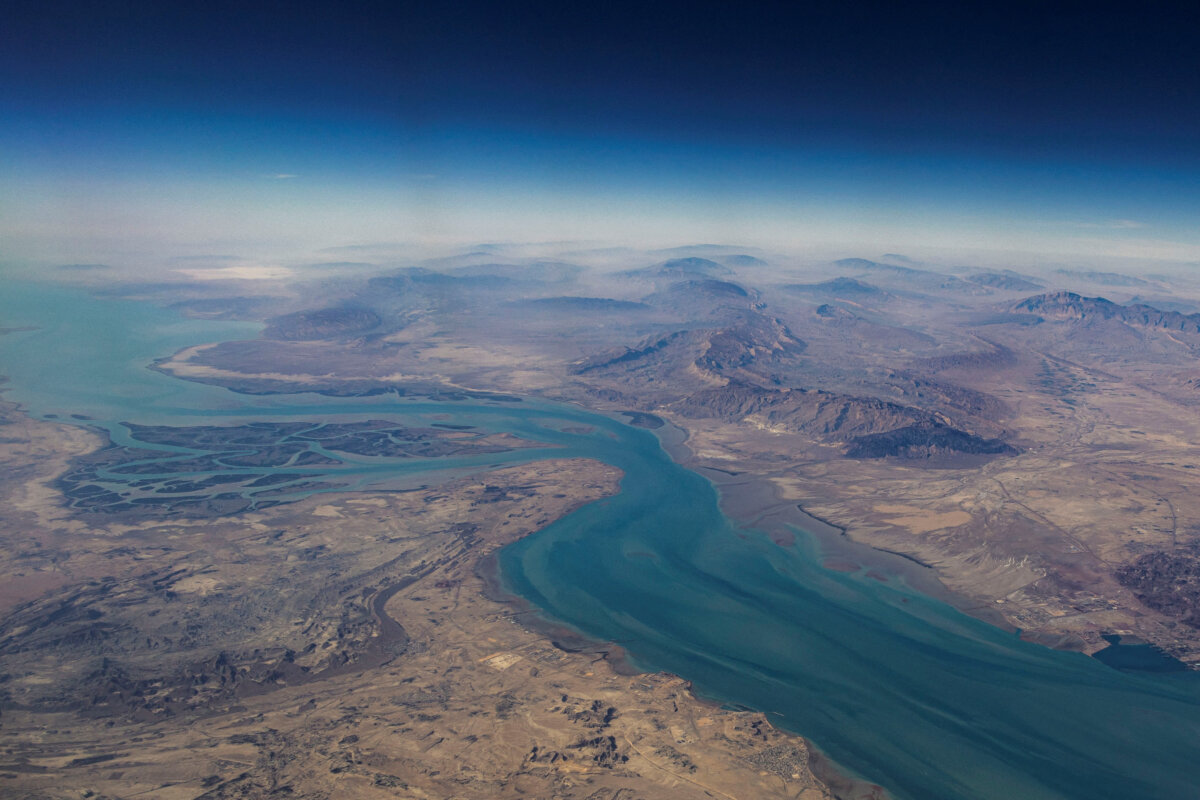
Iran’s armed forces, he said, “will not allow the export of a single liter of oil from the region” and that the country’s military is “awaiting the U.S. naval fleet in the Strait of Hormuz region,” a key waterway considered crucial for the world’s oil markets.
The conflict surpassed its 10th day on March 10. U.S. Secretary of War Pete Hegseth said during a news conference that it “will be yet again our most intense day of strikes inside Iran: The most fighters, the most bombers, the most strikes, intelligence more refined and better than ever,” Hegseth told a Pentagon briefing.
On Tuesday, Iran launched new attacks on Israel and Gulf Arab countries, while Israel launched more airstrikes on Tehran and in Lebanon, where it is battling the Iran-backed Hezbollah. The United Arab Emirates reported two more deaths as about nine drones evaded air defenses, and nearly three dozen other drones and missiles were intercepted.
In Bahrain, authorities said an Iranian attack hit a residential building in the capital, Manama, killing a 29-year-old woman and wounding eight people. Saudi Arabia said it destroyed two drones over its oil-rich eastern region, and Kuwait’s National Guard said it shot down six drones.
Hegseth said that Iran has fired “the lowest amount of missiles they have fired yet” in the past 24 hours. U.S. Central Command said in a post on X that the American military has hit more than 5,000 Iranian targets since the start of the war.
Tehran was choked in black smoke on March 9 after an oil refinery was hit over the weekend, in an escalation in strikes on Iran’s domestic energy supplies as part of the U.S.–Israeli campaign.
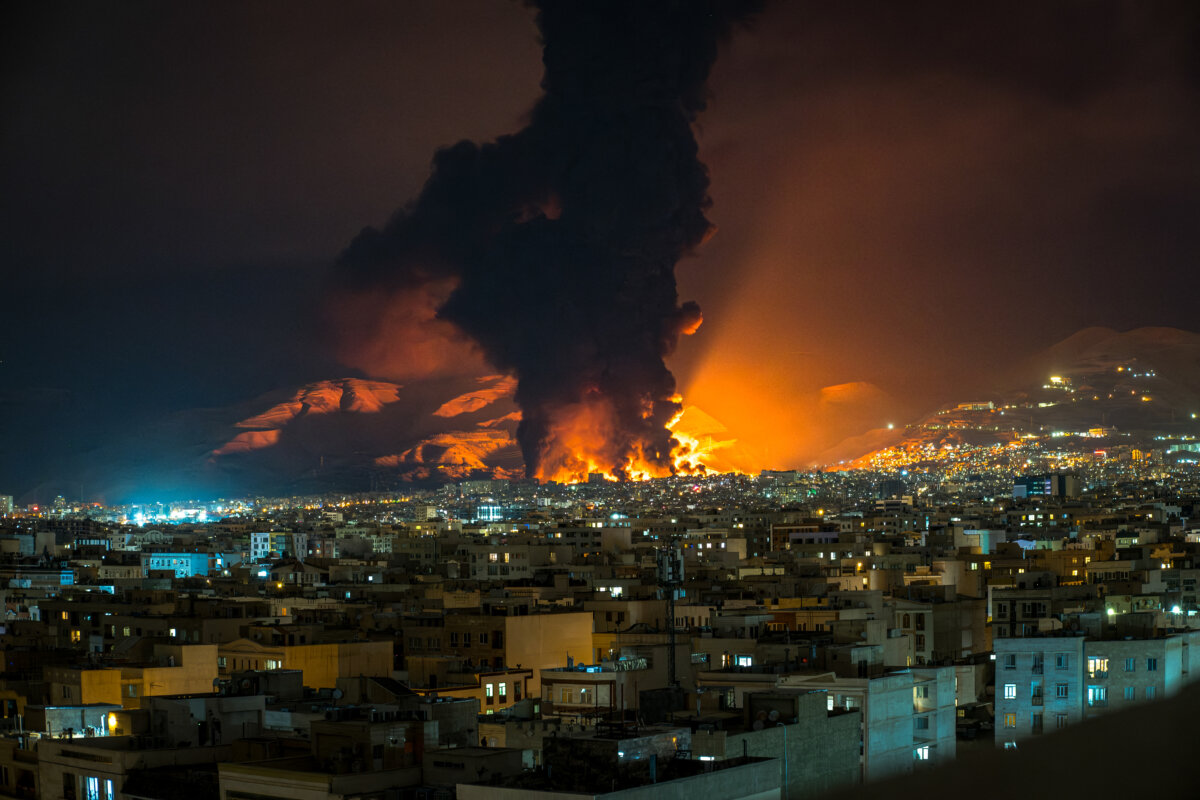
The World Health Organization warned on March 10 that the “black rain” and toxic compounds in the air in Iran after strikes on oil facilities could cause respiratory problems.
“The black rain and the acidic rain coming with it is indeed a danger for the population, respiratory mainly,” WHO spokesperson Christian Lindmeier said at a press briefing in Geneva, adding that Iran had advised people to stay indoors.
Asked whether the WHO backed that advice, he said, “Given what is at risk right now, the oil storage facilities, the refineries that have been struck, triggering fires, bringing serious air quality concerns, that is definitely a good idea.”
He said the strikes had caused “the massive release of toxic hydrocarbons, sulfur oxides and nitrogen compounds, into the air.” Scientists said inhaling or touching the smoke or particles could cause headaches, skin and eye irritation, and difficulty breathing. Longer-term exposure to some of the compounds increases the risk of some cancers, they added.
“The risk of exposure goes down provided we don’t see fresh strikes—if we get fresh strikes, that is going to be problematic,” he said.
On March 8, Bahrain accused Iran of damaging one of its desalination plants. Earlier, Iran said a U.S. airstrike had damaged an Iranian plant.
Iranian Foreign Minister Abbas Araghchi said the strike on Qeshm Island in the Strait of Hormuz had disrupted the water supply to 30 villages. He warned that in doing so “the U.S. set this precedent, not Iran.”
On March 2, Iranian strikes on Dubai’s Jebel Ali port landed some 12 miles from one of the world’s largest desalination plants.
The conflict started on Feb. 28 when the United States and Israel launched massive airstrikes on Iran, killing its top leader, Ayatollah Ali Khamenei, and dozens of other officials.
On March 9, U.S. President Donald Trump issued a warning to Iran not to try to shut down the Strait of Hormuz, writing in a post on Truth Social that Tehran could be hit significantly harder. Earlier on March 9, he said in an interview with CBS that the United States’ war objectives have largely been met and are “very complete.”
The Associated Press and Reuters contributed to this report.
 Friends Read Free
Copy
Facebook
Tweet
Friends Read Free
Copy
Facebook
Tweet