
Iran’s rial fell to a record low on April 29, weakening to about 1.8 million to the U.S. dollar as a shaky ceasefire with the United States and Israel continued to hold, raising fears of a new inflation surge in an economy already battered by war, sanctions, and a U.S. naval blockade.
The Iranian currency had remained relatively stable in the early weeks of the war, partly because there was minimal trading, but the rial began sliding earlier this week, dropping nearly 15 percent in two days.
The latest decline could raise the cost of imported goods and locally produced items tied to foreign inputs, including food, medicine, electronics, packaging, and raw materials. Inflation was already running high in Iran, with its central bank reporting a year-on-year rate of 65.8 percent over the past month or so.
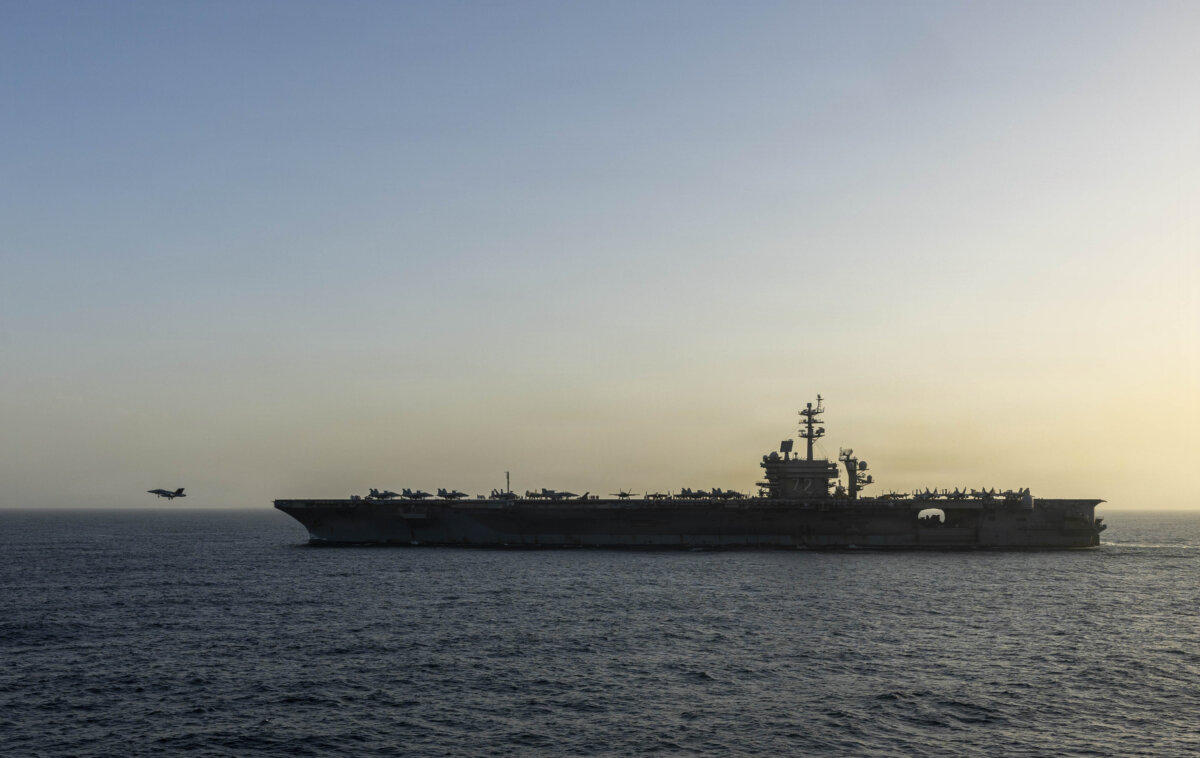
The downward pressure on the rial comes amid the continuing U.S. blockade of Iranian maritime trade.
U.S. Central Command said in an April 28 post on X that more than 20 vessels remain moored or anchored at the Iranian port of Chabahar, compared with an average of five before the blockade, as U.S. forces “cut off economic trade going into and coming out of Iran.”
Maritime analytics company Kpler said in a recent note that, as the United States “tightens the screws” on Tehran, loadings of Iranian crude have slowed over the past week, while Strait of Hormuz traffic has dropped sharply as U.S. enforcement of the blockade tightens.
Kpler senior crude oil analyst Muyu Xu wrote that, while roughly 155 million barrels of Iranian crude remain outside the Gulf of Oman and so face a lower risk of interception by U.S. forces, tighter cargo availability in the months ahead suggests greater pressure for Iran.
U.S. Treasury Secretary Scott Bessent said in an April 28 post on X that Washington’s economic campaign has disrupted tens of billions of dollars in Iranian revenue and that Kharg Island, Iran’s main oil export terminal, is nearing storage capacity, which he said could force production cuts and cost Tehran about $170 million a day.
“Under [President Donald Trump’s] maximum pressure campaign, Tehran’s inflation has doubled and its currency has rapidly depreciated,” Bessent said.
Growing Economic Strain
The mounting pressure on Iran’s currency is unfolding alongside a deepening crisis in the country’s oil sector, long the backbone of revenue and access to hard currency for the regime in Tehran.
Kpler said in an April 22 update that the U.S. blockade, combined with wartime damage to infrastructure, is pushing Iran toward forced production shut-ins as storage capacity fills. According to Kpler, Iranian oil output has already fallen by roughly 750,000 barrels per day from pre-war levels, reflecting both weaker domestic demand during the conflict and the near halt in exports.
With exports constrained, unsold crude is accumulating rapidly. Estimates suggest Iran could exhaust available onshore storage capacity within weeks, forcing producers to shut in wells, a process that can permanently damage reservoirs and reduce long-term output potential.
Bessent said the squeeze on storage could put a permanent dent in Iran’s revenue lifeline.
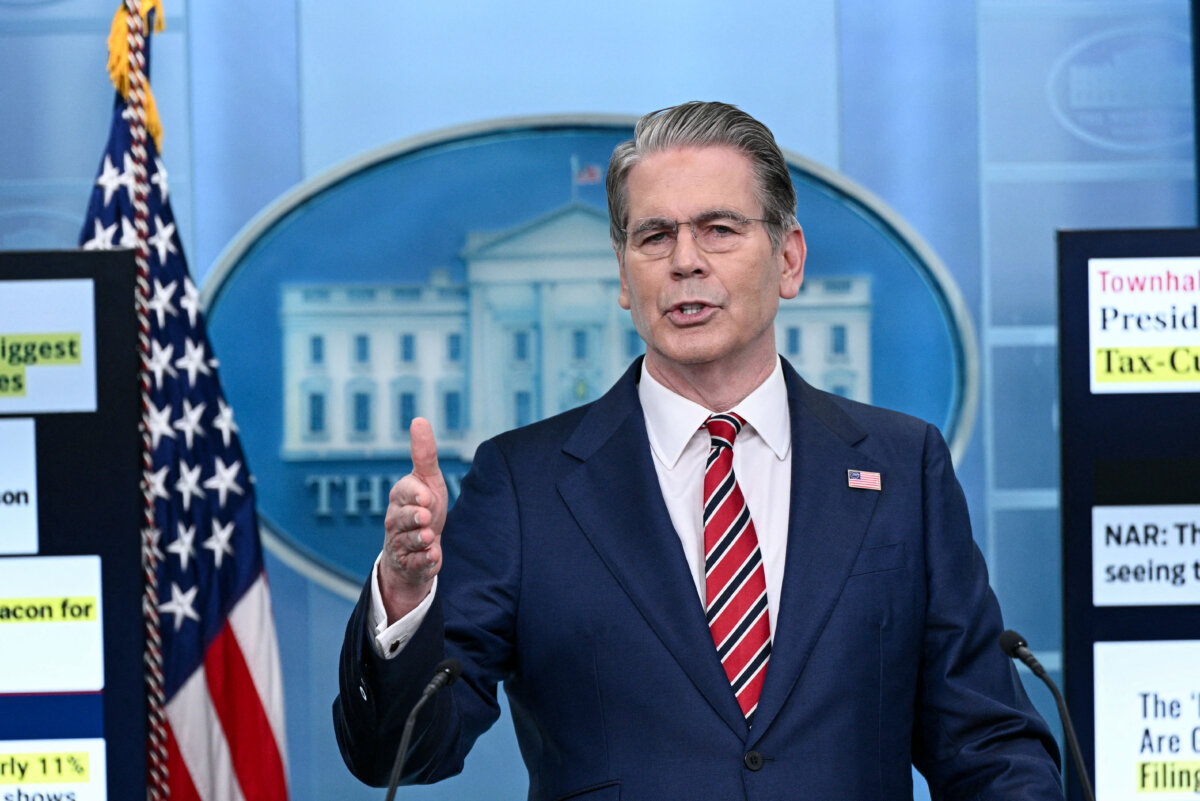
“Treasury will continue to exert maximum pressure and any person, vessel, or entity facilitating illicit flows to Tehran risks exposure to U.S. sanctions,” Bessent said, adding that the U.S. blockade is likely to cause “permanent damage to Iran’s oil infrastructure.”
Iran’s economy has faced decades of sanctions, with America’s newest economic campaign adding pressure and already feeding through to consumer prices.
Even before the rial’s latest slide, households were facing rising costs for basic goods, including dairy products, cooking oil, bread, rice, and detergents. The depreciation of the currency could accelerate those increases, particularly for goods with imported components or supply chains exposed to global pricing.

The strain is also becoming visible in the labor market. Reports from Iran’s reformist Shargh newspaper indicate that hundreds of workers have already been laid off in recent weeks, including about 500 employees at a facility in Rasht and 700 at a textile factory in Borujerd.
The layoffs reflect a broader pullback by companies facing higher input costs, weaker demand, and uncertainty about the economic outlook during the war and in its aftermath, when it finally ends.
Iran’s largest protests in three years erupted last year after the country’s currency plummeted to a record low against the U.S. dollar, and the head of the Central Bank resigned.
Owen Evans and The Associated Press contributed to this report.
 Friends Read Free
Copy
Facebook
Tweet
Friends Read Free
Copy
Facebook
Tweet