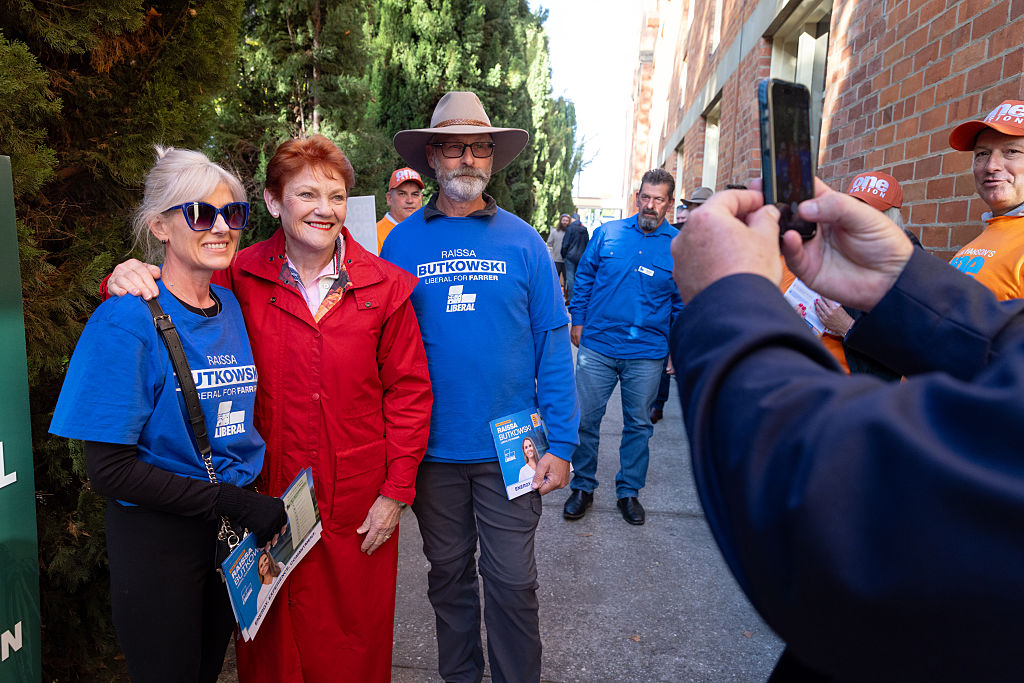


As the dust settles on One Nation’s victory in the seat of Farrer, wresting a seat held by the Coalition since 1949, the question now shifts to how One Nation’s popularity will continue to play out.
This November, Victorians will gear up for their state election and next year will see Australia’s most populous state, New South Wales, choose its government.
One Nation MP Barnaby Joyce boldly declared on May 9, “Western Sydney here we come”—alluding to the popularity the conservative-leaning party enjoys among suburban, working-class, or lower socio-economic voters.
But is that the whole picture? Does One Nation’s brand only resonate with the Aussie “battler” or is there more to the picture?
A closer look at the Farrer by-election polling data gives some indication.
Albury, the Biggest City in Farrer
The seat of Farrer covers a vast area of southern New South Wales, stretching from the Victorian border through the Riverina and includes the regional centres of Albury and Griffith.
A closer look at booth-level data from Albury, the largest city in the electorate, outlines where One Nation’s support is gaining a foothold in city seats.
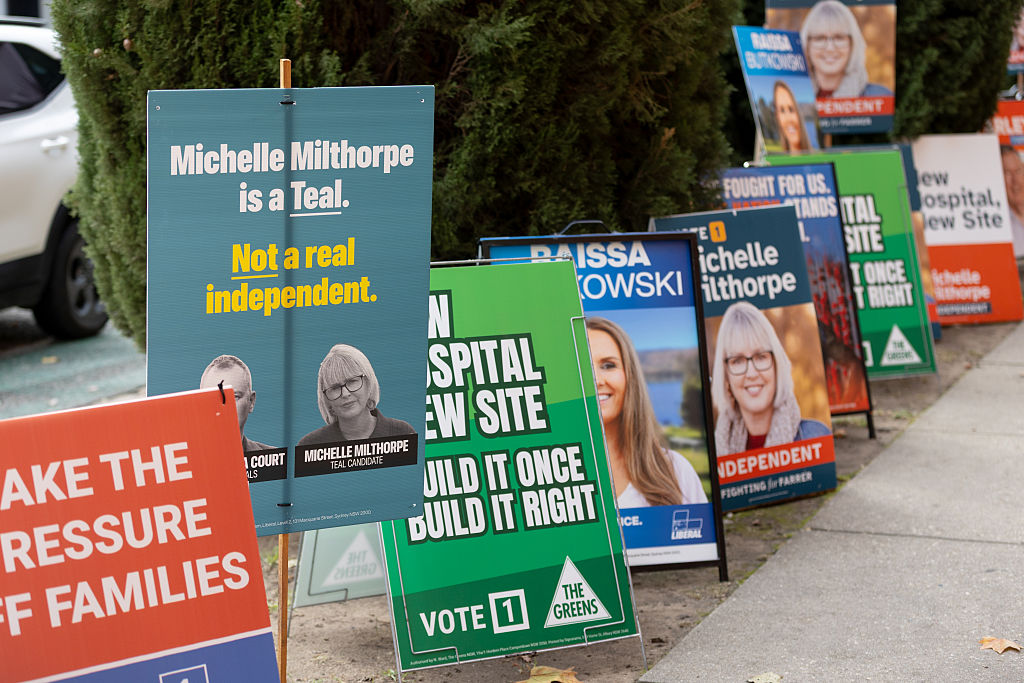
In the 2025 federal election, the party’s first preference vote in Albury booths generally remained below 10 percent, peaking at 8.78 percent in Lavington East to the north of Albury.
While the Liberal’s former leader Sussan Ley secured between 26 and 29 percent of first preference votes.
Yet at the 2026 by-election, the tide shifted.
One Nation recorded swings from 18 percent in the more affluent East Albury to about 30 percent in Lavington, taking a large chunk of the Liberal’s previous vote.
In several polling booths, One Nation exceeded 30 percent of the primary vote, including Springdale Heights (34.52 percent), North Albury (33.56 percent), Lavington (32.58 percent), and Lavington East (35.06 percent).
Notably, in these suburbs average weekly median incomes sit below the Farrer average ($1,390 a week).
While in suburbs with higher weekly incomes like Albury Central, East Albury, West Albury, and Glenroy, One Nation’s vote did increase but many voters fortified around the Climate 200-backed Teal Michelle Milthorpe.
In Albury Central, One Nation won 30.7 percent of the primary vote (a swing of 23.8 percent) compared to 36.3 percent for Milthorpe. In East Albury, One Nation won 23.9 percent (18.3 percent swing) compared to 40.4 percent, while in West Albury, One Nation garnered 23.2 percent (19.1 percent swing) to 41.9 percent.
The suburb of Table Top was the outlier with one of the highest median household incomes at $2,475 per week tipping towards One Nation.
One Nation Challenging Both Sides of Politics?
Pollster Antony Green suggests One Nation isn’t just a threat to the Liberal or National parties who have, in recent years, relied more on support from regional and suburban voters.
“We know that One Nation has always polled more strongly in rural and regional seats than in city seats. Last month’s South Australian election provided hints that One Nation could be a threat to Labor in some city seats,” he wrote the day after the by-election.
“But where One Nation is an electoral threat to Labor, it is an existential threat to the Liberal and National Parties. One Nation is a threat to their relevance, their chances of ever governing again, and to their continuing existence.”
Graham Young, executive director at the Australian Institute for Progress, pointed to Labor’s previous 15 percent primary vote in Farrer, saying half of that vote likely ended with One Nation.
He notes that Milthorpe’s vote increased eight percent this time compared to last year’s federal election, but asked, “What happened to the other seven percent [of Labor’s vote?]”
“Apart from Affordable Housing and Legalise Cannabis, just about all the other parties were on the right of the spectrum,” Young told The Epoch Times.
“Some must have gone to [the right] before eventually finding a home with Milthorpe or One Nation [via preference flows]. That tells you that the Labor vote is not a very committed one.”
 Friends Read Free
Copy
Facebook
Tweet
Friends Read Free
Copy
Facebook
Tweet