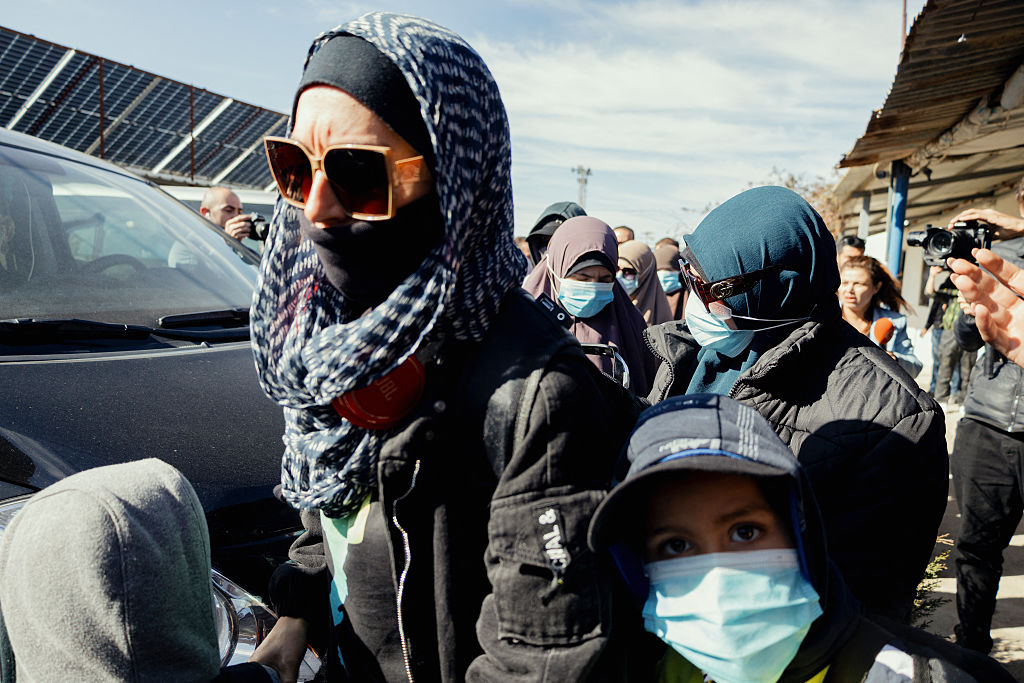

Home Affairs Minister Tony Burke says the government did not assist a cohort of ISIS “brides” and their children from returning to Australia despite their now imminent return.
The news comes just days after Health Minister Mark Butler told reporters the Australian government was not engaging with the women, who hold Australian citizenship but left to support ISIS fighters in Syria and Iraq.
About 30 women and children have since attempted to re-enter Australia following the defeat of ISIS in 2019. The current cohort is 13 with nine kids and four women.
“These are people who have made the horrific choice to join a dangerous terrorist organisation and to place their children in an unspeakable situation,” Burke said in a statement.
“Any members of this cohort who have committed crimes can expect to face the full force of the law.”
The minister said there were limits on how citizens could be blocked from returning to Australia.
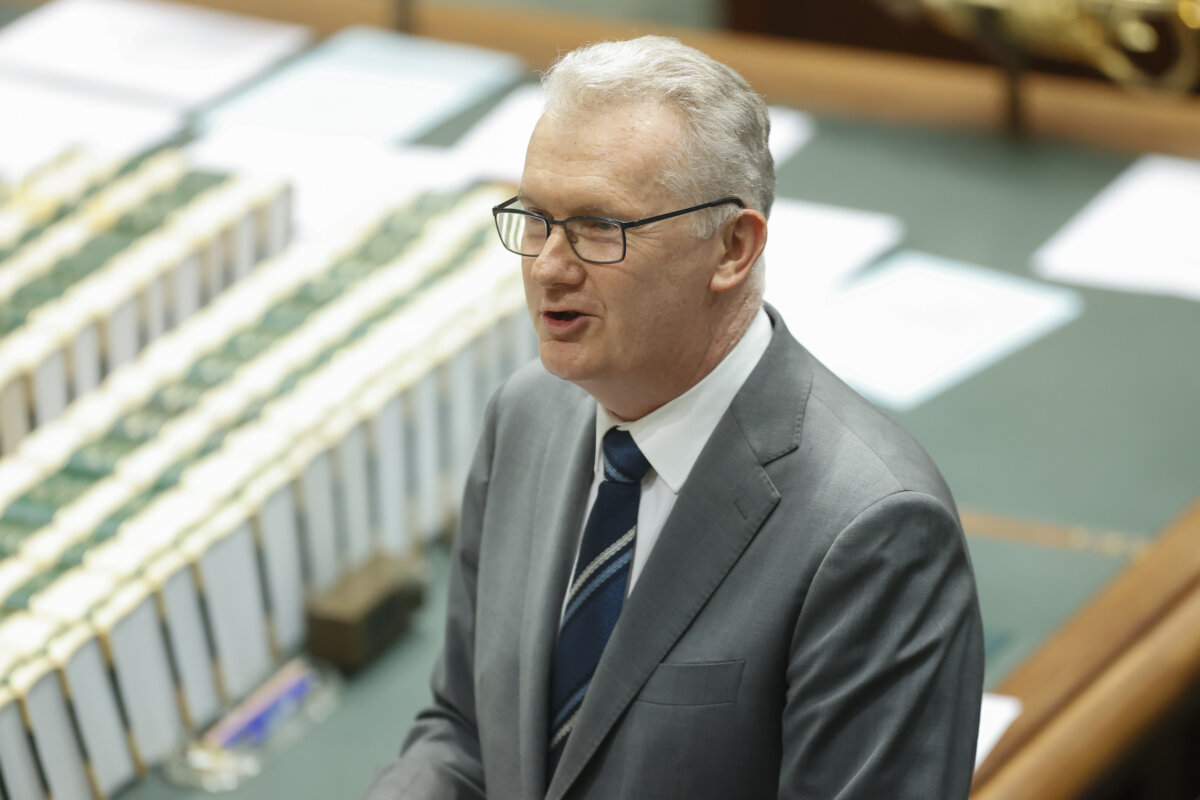
Australian Federal Police (AFP) Commissioner Krissy Barrett said she would not “flag how many individuals will be arrested” or when they will be arrested or investigated.
“Some individuals will be arrested and charged; Some will face continued investigations if they arrive in Australia,” Barrett said.
“Children who return in the cohort will be asked to undergo community integration programs, therapeutic support and Countering Violent Extremism programs.”
Opposition Home Affairs spokesman Jonathon Duniam said the government needed to revoke their passports.
“It is not in the national interest. Where are these people going to be settled? What monitoring arrangements are going to be put in place? How much is it going to cost Australian taxpayers?” he told reporters in Hobart.
“These are women who chose to go to Syria, to a designated terror hotspot declared under law as a crime. That is something that should not be taken lightly.”
The Epoch Times contacted the AFP and the Office of Home Affairs for comment.
Last month, it was revealed that the group of 13 ISIS brides and children were attempting to travel to Australia via Damascus, Syria, but did not make the flight.
Minister Burke said plans were in place to monitor the cohort, who had been attempting to come back since 2014.
“The priority of the government, as always, is the safety of the Australian community,” he said.
$74 Million to Target Online Extremism
The news comes as the government announced $74 million over two years to target online extremism.
Burke responded to claims that funding to target terrorism had fallen under his governance as agencies scrambled to keep up with threats, outlining issues with converging threats
“So you take something like Adass Israel Synagogue, the terrorist attack there. That was something where you’d call it a terrorist attack, but at the same time it was conducted by organised crime and at the same time it was foreign interference because it was being master-minded from Iran.”
Burke said the different categories could be deceptive as agencies faced an increase in threats across the board.
“The overall figure and the commitment from government is going up,” he said.
“What the agencies are dealing with is all the threat levels are going up.
The new online anti-terror centre will take two years to be established, Burke said.
Radicalisation Can Take Days: AFP
In a statement, AFP Commissioner Barrett said the online environment was becoming increasingly dangerous.
“It used to take months or years to radicalise an individual, but now, in some cases, it is happening within days,” she said.
“The speed and scale of radicalisation is becoming one of our most significant challenges, especially when it comes to youth.
“We need to use a combination of human intelligence and artificial intelligence to disrupt and detect the extremist recruiters and inciters, while protecting and diverting those at risk.”
 Friends Read Free
Copy
Facebook
Tweet
Friends Read Free
Copy
Facebook
Tweet