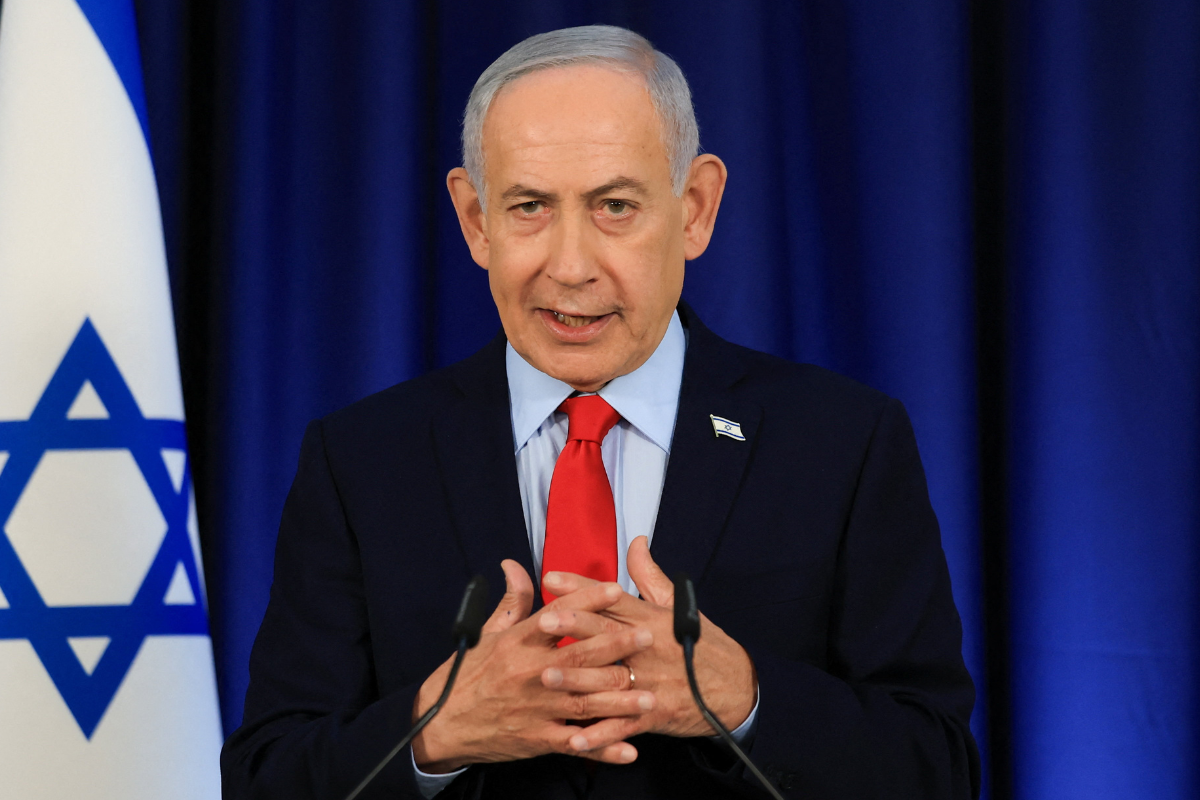

Israel backs U.S. President Donald Trump’s two-week suspension of attacks on Iran, but that cease-fire does not include Lebanon, the office of Prime Minister Benjamin Netanyahu said in April 8 posts on X.
Netanyahu’s office said it supports U.S. efforts to ensure Tehran no longer poses a terror, nuclear, or missile threat to the United States, Israel, the region, or the world.
“The United States has told Israel that it is committed to achieving these goals, shares by the US, Israel and Israel’s regional allies, in the upcoming negotiations,” the prime minister’s office said. “The two-weeks ceasefire does not include Lebanon.”
Earlier, Pakistani Prime Minister Shehbaz Sharif, whose government helped broker the deal, said the cease-fire was effective immediately “everywhere including Lebanon and elsewhere,” and invited both sides to Islamabad for further negotiations aimed at a comprehensive agreement.
“Both parties have displayed remarkable wisdom and understanding,” Sharif said in a post on X, expressing hope that the upcoming “Islamabad Talks” would deliver “sustainable peace.”
French President Emmanuel Macron said during an April 8 meeting of France’s Defense Council that the cease-fire should pave the way for negotiations addressing Iran’s nuclear and ballistic programs as well as broader regional tensions. Macron said it is France’s wish to ensure “that the ceasefire fully includes Lebanon.”
The remarks came after Trump announced in an April 7 post on Truth Social that he would suspend attacks on Iran, provided Tehran agreed to the complete and immediate full reopening of the Strait of Hormuz.
The U.S. president’s announcement came about an hour and a half before his 8 p.m. ET deadline for Iran to fully reopen the waterway or face the U.S. bombing of its power plants and bridges.
Lebanon ‘a Separate Skirmish’
In comments to PBS on April 8, Trump said that Lebanon was not included in the cease-fire deal.
Trump told PBS White House correspondent Liz Landers that it was “because of Hezbollah.”
“They were not included in the deal. That’ll get taken care of, too.” Trump said.
When asked whether he was happy with Israel continuing to conduct air strikes against Hezbollah in Lebanon, the president said, “It’s part of the deal—everyone knows that.”
“That’s a separate skirmish,” he said.
Both Israel and Iran said they conducted last-minute strikes before the cease-fire was finalized.
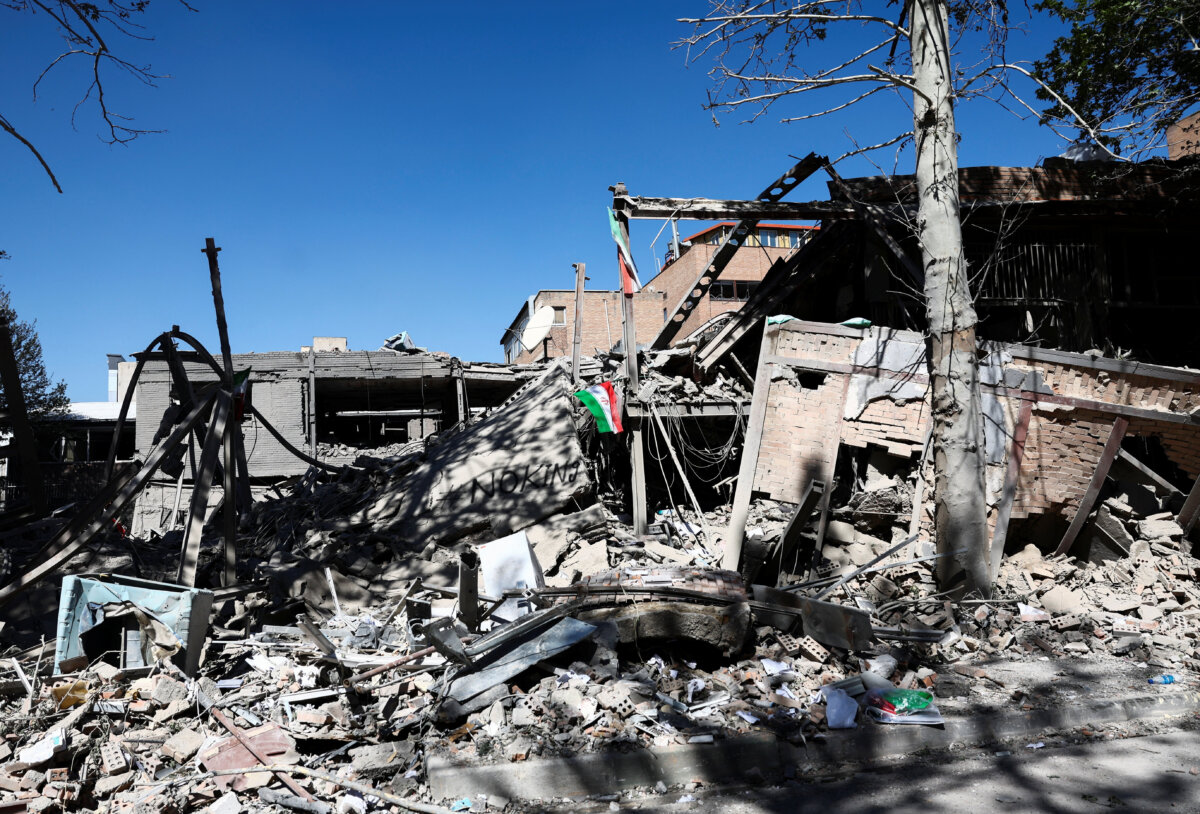
The state-run Islamic Republic of Iran Broadcasting said in an April 8 post on X that Tehran conducted its 100th wave of missile and drone strikes “launched just #before the ceasefire at 00:00 GMT, [which] hit key cities including Haifa, Tel Aviv, and Beersheba.”
The Israel Defense Forces (IDF) said in an April 8 post on X that overnight, it had conducted strikes against Iran, targeting missile launch sites and launchers “in order to significantly degrade its launching capabilities.”
The Israeli military said that in accordance with orders from the government, “the IDF has ceased fire in the operation against Iran, and is highly prepared to respond defensively against any violation.”
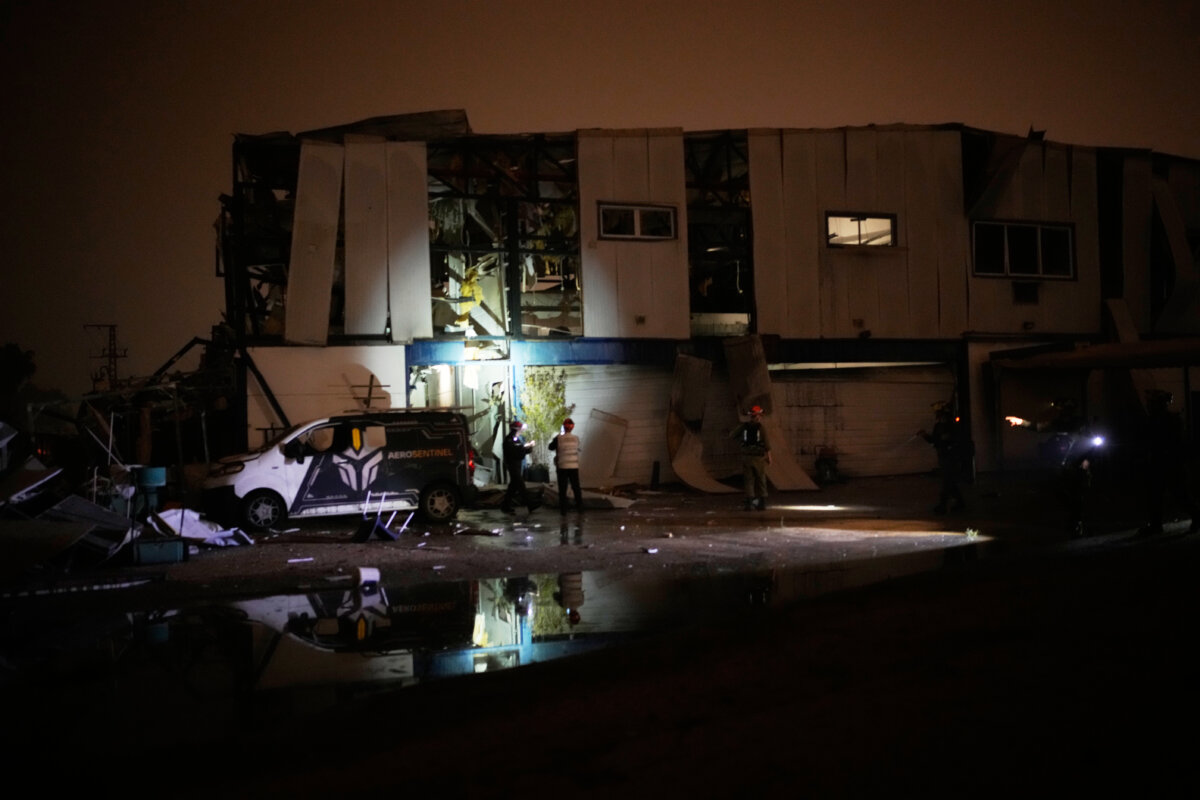
The IDF reiterated the comment from the prime minister’s office about Lebanon, saying it will continue “to conduct targeted ground operations against Hezbollah.”
“The IDF will continue to operate across all fronts to defend Israel,” the IDF said.
The Israeli offensive against the Iran-backed terror group in Lebanon began days after the start of the war, after Hezbollah fired rockets at Israel to avenge Iranian leader Ayatollah Ali Khamenei’s killing in an air strike on Feb. 28.
Iran’s Proposal ‘Workable Basis’
Trump said in his April 7 Truth Social post that Iran’s 10-point proposal was a “workable basis on which to negotiate.”
“Almost all of the various points of past contention have been agreed to between the United States and Iran, but a two week period will allow the Agreement to be finalized and consummated,” he wrote. “On behalf of the United States of America, as President, and also representing the Countries of the Middle East, it is an Honor to have this Longterm problem close to resolution.”
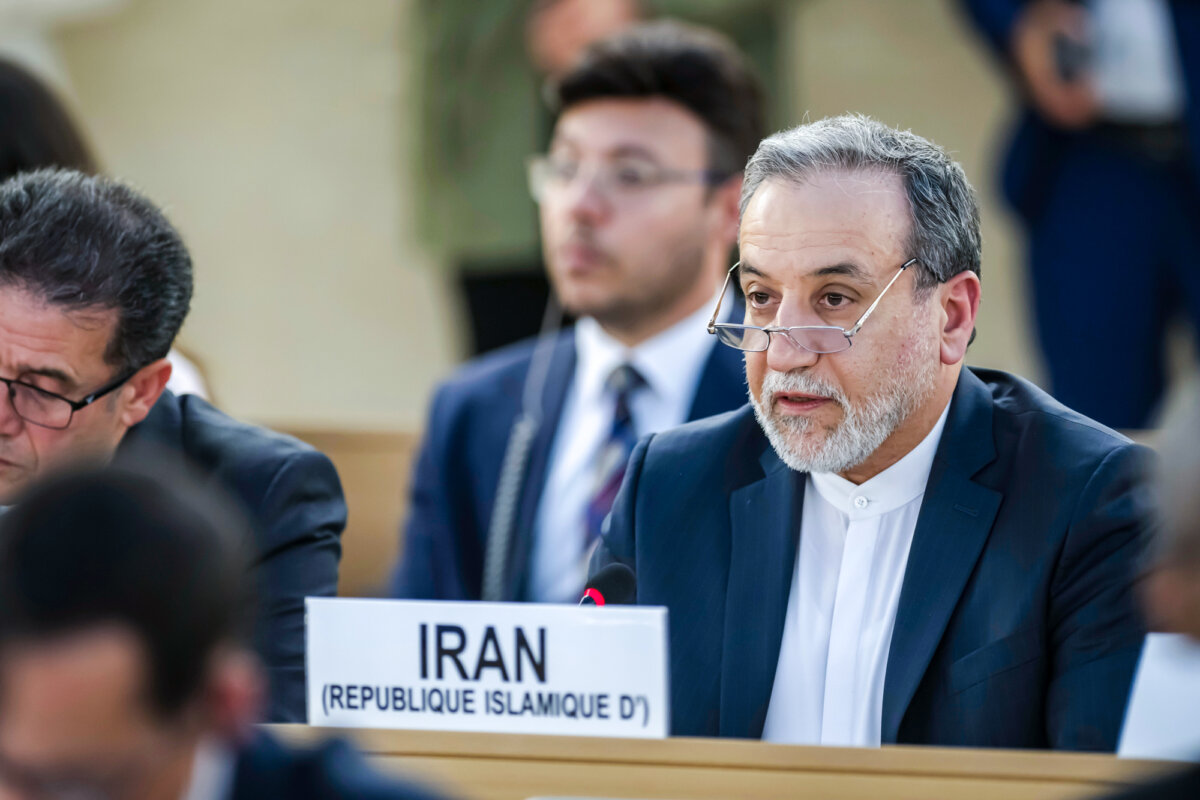
Iranian Foreign Minister Abbas Araghchi followed up on Trump’s announcement with a statement on behalf of Iran’s Supreme National Security Council, expressing gratitude to the Pakistani officials for their work to reach a cease-fire.
“If attacks against Iran are halted, our Powerful Armed Forces will cease their defensive operations,” the council said. “For a period of two weeks, safe passage through the Strait of Hormuz will be possible via coordination with Iran’s Armed Forces and with due consideration of technical limitations.”
Araghchi said the decision was in response to a 15-point peace proposal from Pakistan and Trump’s comments on Iran’s 10-point proposal.
 Friends Read Free
Copy
Facebook
Tweet
Friends Read Free
Copy
Facebook
Tweet