
The Italian Competition Authority has issued a 1 million euro (about $1.16 million) fine to Chinese fast fashion platform Shein over “misleading” and “deceptive” environmental claims, the regulator said on Aug. 4.
The fine was imposed on Infinite Styles Services Co. Ltd, a Dublin-based company that manages Shein’s websites in Europe.
In a statement, the Italian Competition Authority said the company “disseminated environmental claims within the sections #SHEINTHEKNOW, evoluSHEIN, and Social Responsibility that were, in some instances, vague, generic, and/or overly emphatic, and in others, misleading or omissive.”
The website’s claims about a so-called circular system, or the recyclability of Shein’s products, “were found to be either false or at least confusing,” the regulator stated.
It said Shein highlighted the use of “green” fibers in garments in its evoluSHEIN collection, without detailing what environmental benefits they have or mentioning that the line represents only “a marginal share” of Shein’s products.
The claims “may lead consumers to believe not only that the evoluSHEIN by Design collection is made solely from ‘sustainable’ materials, but also that its products are fully recyclable—a statement which, given the fibres used and current recycling systems, does not reflect reality,” the regulator stated.
The Italian Competition Authority also disputed Shein’s pledge to reduce greenhouse gas emissions by 25 percent by 2030 and to reach zero emissions by 2050, as being “vague and generic,” citing the increase in Shein’s greenhouse gas emissions in 2023 and 2024.
The Epoch Times reached out to Shein for comment but did not receive a response by publication time.
In a statement to Reuters, Shein said it has cooperated fully with the Italian Competition Authority and took immediate action to address the concerns raised.
“We have strengthened our internal review processes and improved our website to ensure that all environmental claims are clear, verifiable, and compliant with regulations,” the company stated.
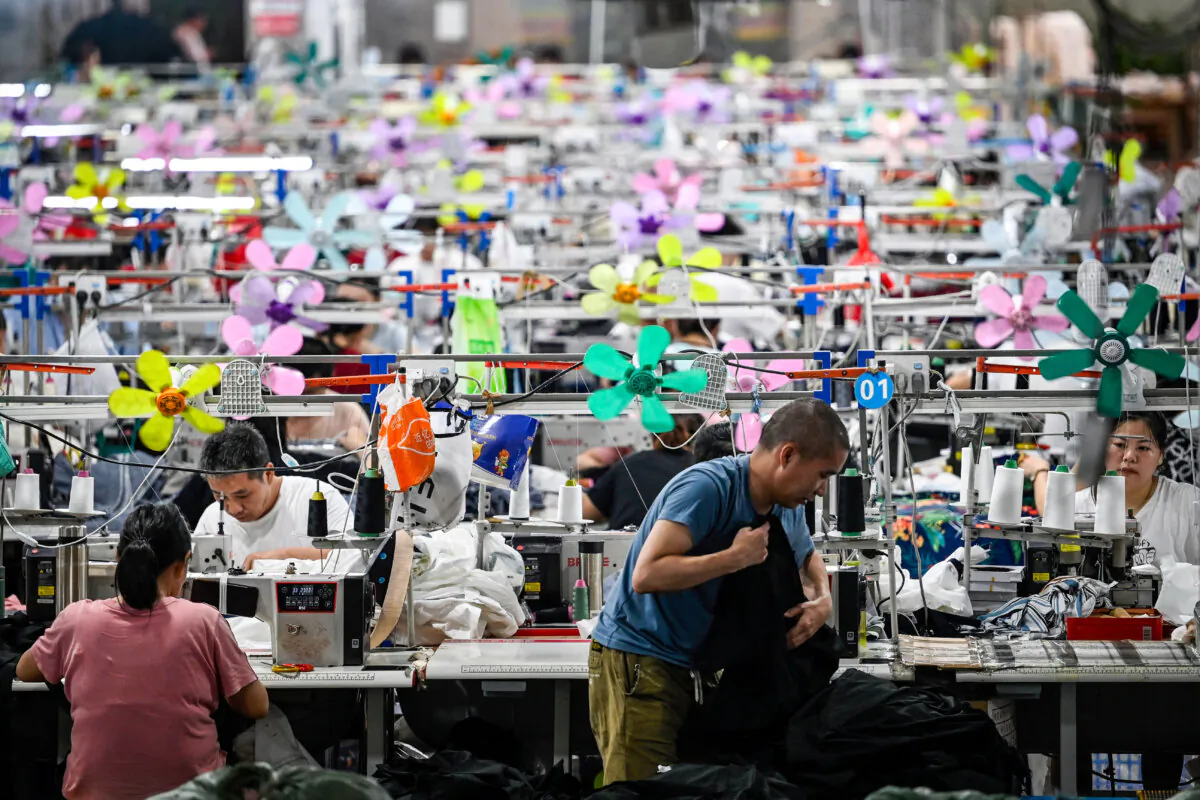
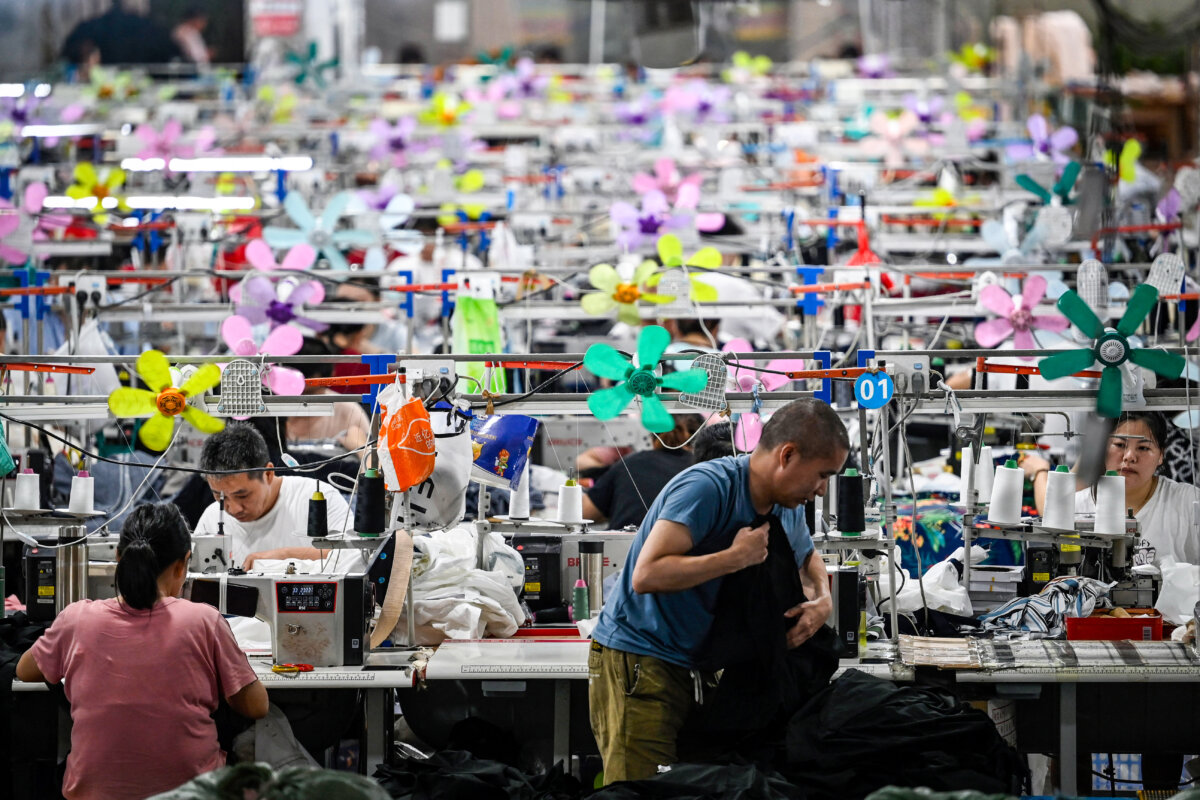
Shein, an online retailer headquartered in Singapore that ships cheap fashion products primarily from China to consumers worldwide, was founded in 2008 by Chinese billionaire Chris Xu.
In May, Shein and other Chinese e-retailers were hit by U.S. President Donald Trump’s ending of duty-free treatment of low-value packages from China. On July 30, Washington expanded the order to end the treatment worldwide, affecting the retailers’ suppliers elsewhere.
The European Union in May said its investigation into Shein found that the company violated EU consumer law in a number of ways, including making misleading sustainability claims, offering fake discounts, providing incorrect and misleading information, using deceptive product labels, and using pressure-selling tactics.
The company is also facing resistance from lawmakers in the UK against its bid to list on the London Stock Exchange.
UK Business and Trade Committee Chair Liam Byrne, one of the leading opponents of Shein’s listing in London, has pressured the company about whether its garments involve forced labor in China’s Xinjiang region, where the communist regime has long subjected the local Uyghur Muslims to torture and forced labor.
Yinan Zhu, Shein’s general counsel in Europe, told the committee that Shein doesn’t ban “the use of Chinese cotton” in its garments.
The company previously told The Epoch Times that it has “a zero-tolerance policy for forced labor” and requires contract manufacturers to “only source materials from approved regions.”
According to an Epoch Times analysis of data published by China’s National Bureau of Statistics, in the past three years, more than 90 percent of cotton produced in China came from Xinjiang.
 Friends Read Free
Copy
Facebook
Tweet
Friends Read Free
Copy
Facebook
Tweet