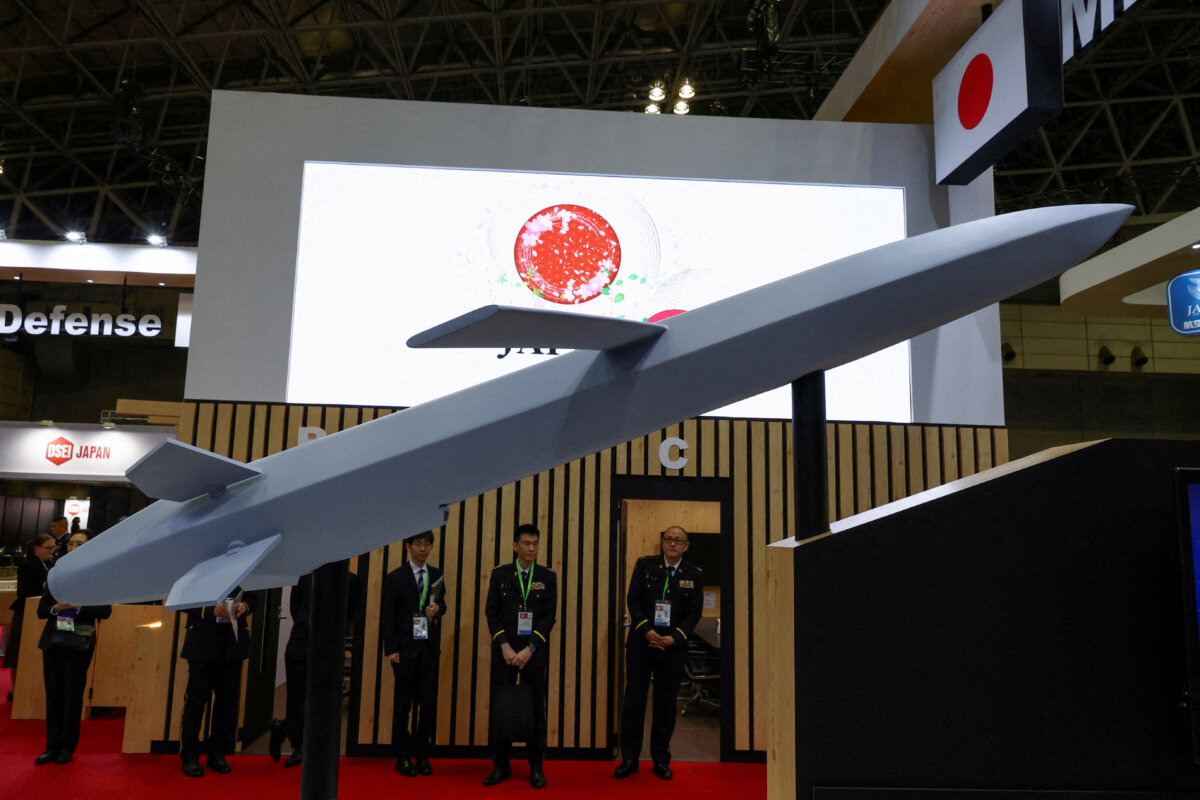

Japan on April 21 formally endorsed scrapping a long-standing ban on lethal weapons exports, a historic shift in its postwar security policy.
The approval by Japanese Prime Minister Sanae Takaichi’s Cabinet revises the country’s “Three Principles on Transfer of Defense Equipment and Technology,” effectively clearing one of the final barriers to Japan’s participation in global arms markets.
Japan’s postwar constitution, shaped after World War II, has long restricted military activity and arms exports. For decades, Tokyo effectively banned overseas sales of weapons, reflecting its pacifist stance.
In 2014, Japan began allowing limited exports of non-lethal equipment. Further changes in 2023 permitted the sale of certain licensed lethal components, including U.S.-designed Patriot missiles, primarily to support allied supply chains.
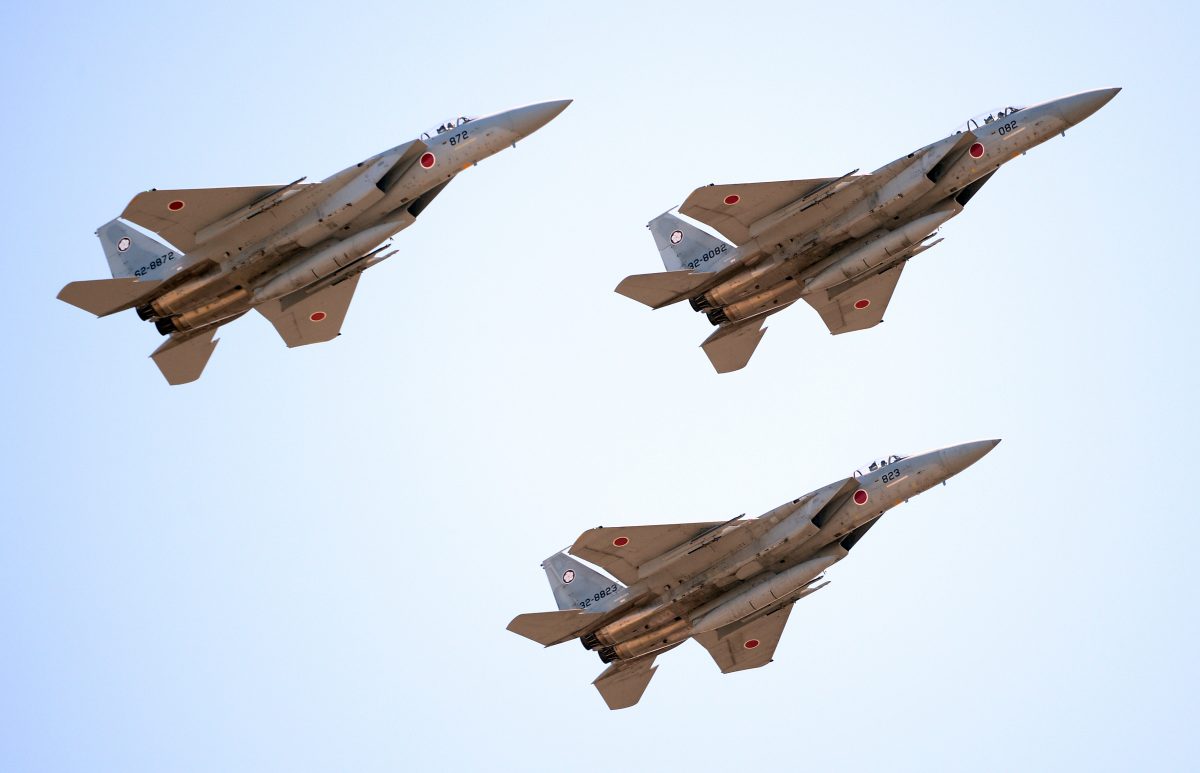
The latest revision goes further by removing categorical limits and allowing exports of advanced systems such as fighter jets and naval vessels, although with restrictions.
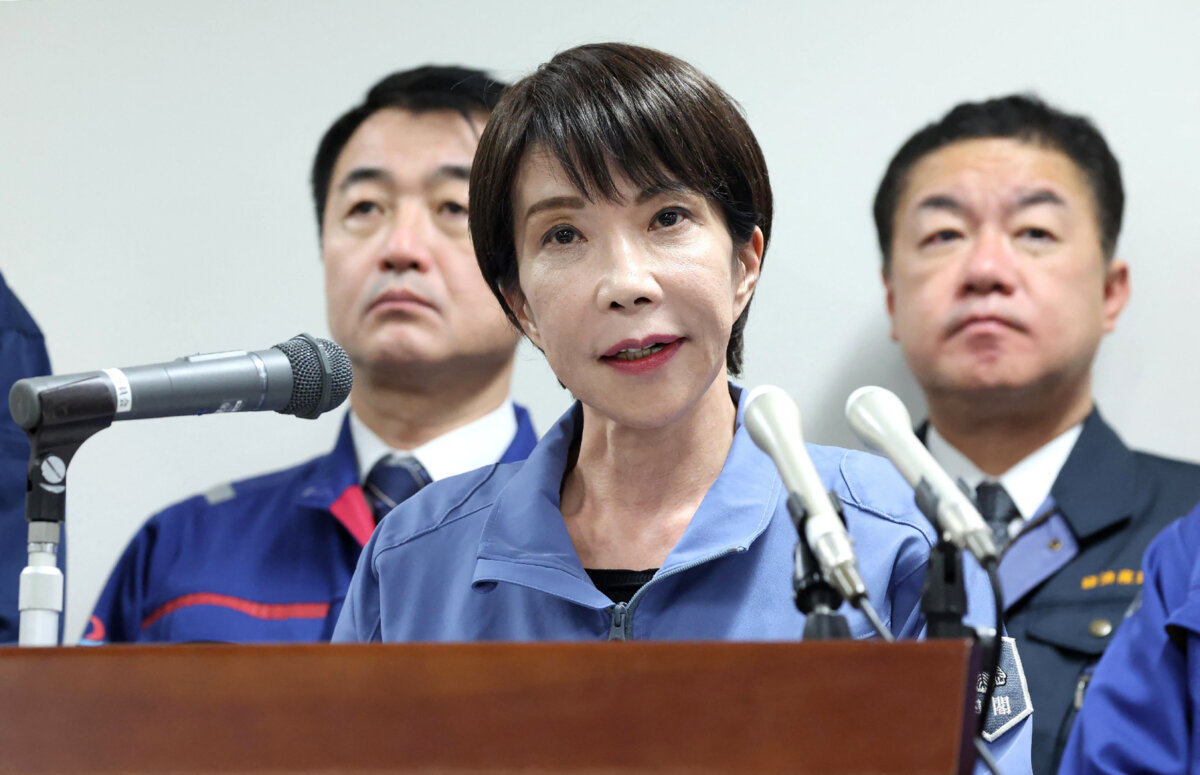
“Until now, overseas transfers of domestically produced finished products were limited to rescue, transport, warning, surveillance, and minesweeping,” Takaichi said in an April 21 post on X. “With this revision, transfers of, in principle, all defense equipment will now be possible.”
Takaichi framed the revision as both pragmatic and defensive.
“As the security environment grows more severe, no country can any longer protect its own peace and security on its own; countries need partner nations that can support one another in defense equipment as well,” she said.
Allowing exports would strengthen allied capabilities and help deter conflict, Takaichi said.
Exports will be limited to 17 partner countries with existing defense agreements and will require approval by Japan’s National Security Council. Tokyo will also monitor how the equipment is used.
In principle, Japan will still avoid exporting lethal weapons to countries actively engaged in war.
Regional, Global Reactions
The policy shift drew swift support from key allies. The U.S. ambassador to Japan, George Glass, said in an April 21 post on X that the revised rules “will make a major contribution to peace and stability in the Indo-Pacific.”
He said the decision was a “historic step” that would strengthen collective defense capacity and safeguard regional freedom.
Philippine Secretary of National Defense Gilberto Teodoro welcomed the change, saying in an April 21 statement that it would provide access to defense “articles of the highest quality” and help “strengthen domestic resilience” while contributing to regional stability through deterrence.
China voiced strong opposition. During an April 20 news conference, Chinese Ministry of Foreign Affairs spokesperson Guo Jiakun warned that Japan’s moves toward military normalization risk reviving past tensions.
“Preventing the resurrection of militarism is Japan’s due obligation,” Guo said, urging Tokyo to “learn lessons from history” and “stick to the path of peaceful development.”
Takaichi said in her post on X that there “is absolutely no change in [Japan’s] commitment to maintaining the path and fundamental principles of Japan as a peace-loving nation over the more than 80 years since the war,” noting that under “the new system, [Japan] will promote equipment transfers strategically while making decisions on whether transfers are permissible in an even more rigorous and careful manner.”
Security Strategy
Japanese Defense Minister Shinjiro Koizumi indicated that the government plans to actively promote arms exports as part of a broader security strategy.
Speaking to reporters on April 21, Koizumi said Japan intends to promote the “transfer of defense equipment effectively and strategically as an important policy tool” to strengthen alliances across the Indo-Pacific.
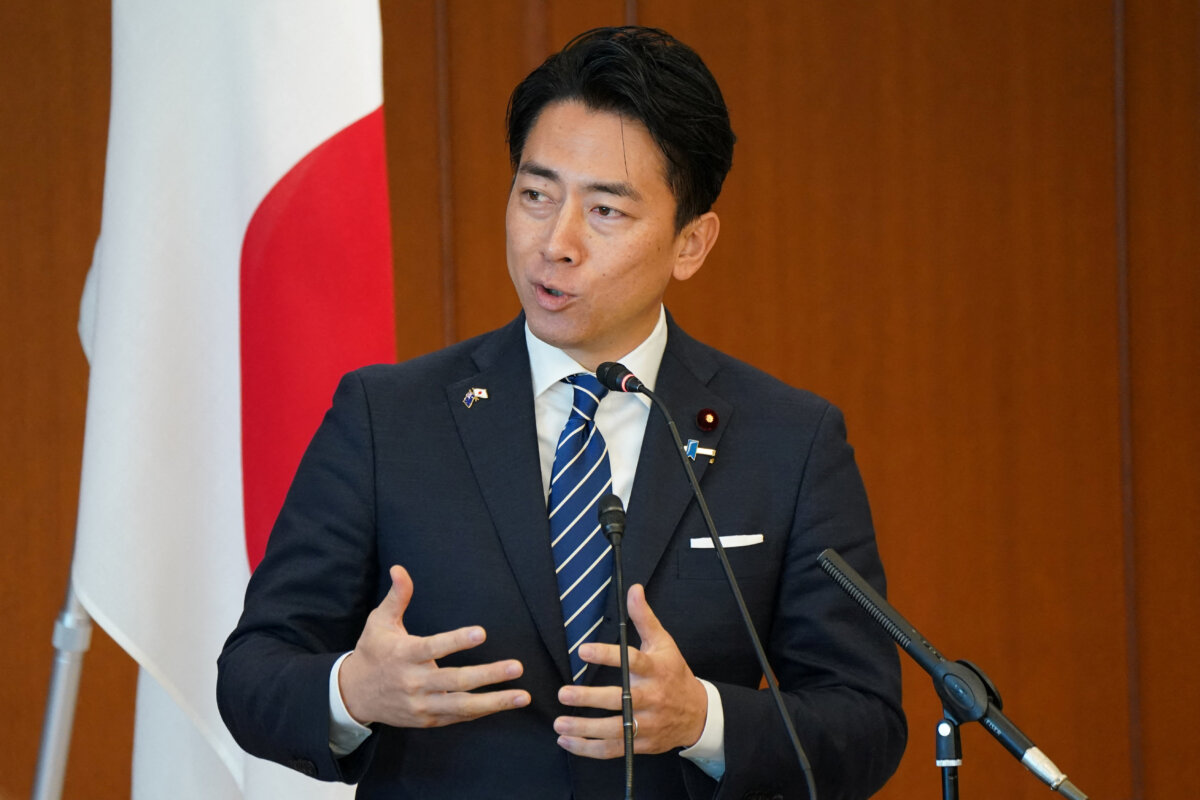
He noted that the transfers would contribute to improving the deterrence and response capabilities of allies and like-minded nations, and ultimately serve Japan’s own security.
Japanese Chief Cabinet Secretary Minoru Kihara echoed that view, stating that the new policy would “ensure safety for Japan and further contribute to the peace and stability in the region and the international society.”
The policy shift aligns with Japan’s broader military expansion under Takaichi’s government.
In December 2025, the Cabinet approved a record $784 billion defense budget as part of a five-year plan to strengthen deterrence.
Japan’s national security strategy, updated in 2022, identifies China as presenting “an unprecedented and the greatest strategic challenge.”
Rising tensions in the region, including concerns over Taiwan and maritime disputes, have driven Tokyo to deepen cooperation with allies such as the United States, the UK, and Italy.
Recent initiatives include joint development of a next-generation fighter jet and a multibillion-dollar frigate deal with Australia, Japan’s largest-ever defense export agreement.
The Associated Press contributed to this report.
 Friends Read Free
Copy
Facebook
Tweet
Friends Read Free
Copy
Facebook
Tweet