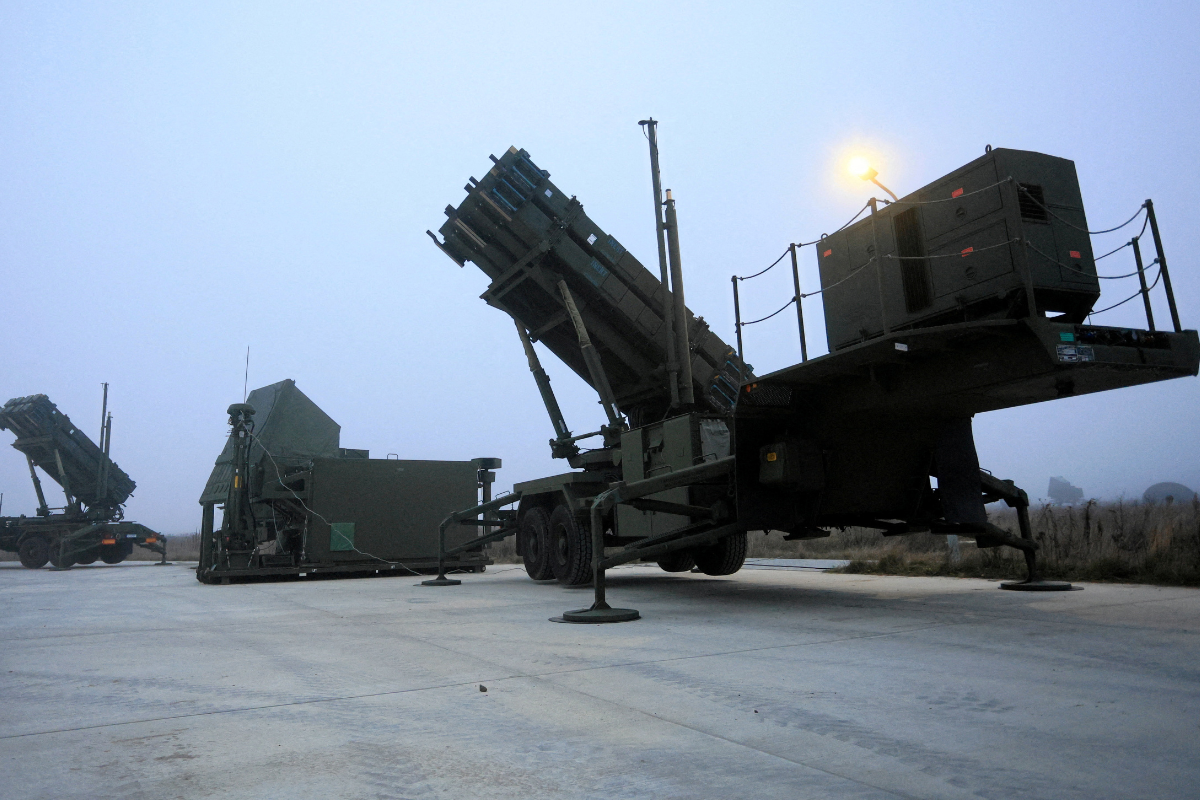

Kyiv is contracting the supply of 1,000 missiles for its U.S.-made Patriot air defense system, Ukraine’s defense minister has said, as Russia continues its aerial bombardment of the capital.
Ukraine will acquiring the armaments with the support of international partners and a loan from the European Union (EU), Minister of Defense Evgeniy Khmara confirmed during a meeting of the Ukraine Defense Contact Group on Sept. 8, according to a statement.
The Ministry of Defense of Ukraine said that it would take time for delivery, so Kyiv will need missiles from allies’ stockpiles before the start of winter.
The ministry also called for more urgent aid to fill a defense funding gap needed for more drones.
Ukraine needs the missiles for the Patriot system to defend itself against Russian aerial attacks—particularly against high-speed, long-range ballistic missiles.
Earlier, the ministry announced that the European Commission had approved Kyiv’s request to procure the missiles under the Ukraine Support Loan, which it said represented 3.2 billion euros ($3.73 billion) in funding to strengthen its air defense.
The Ukraine Support Loan is a 90 billion euro ($104.84 billion) support package from the EU for Ukraine covering 2026 and 2027, 60 billion euros ($69.89 billion) of which is earmarked for defense spending.
For 2026, the European Commission will be sending Kyiv a total of 28.3 billion euros ($32.97 billion) of the defense portion of the package.
European Council President Ursula von der Leyen said in a Sept. 8 post on X that she welcomed the agreement by EU member states to allot the funds for purchasing the Patriot missiles.
“We will continue to work hand in hand to support Ukraine and to strengthen Europe’s defence posture,” she said.
Germany Sends Patriot Missiles
During the Defense Contact Group virtual meeting, German Defense Minister Boris Pistorius confirmed that Berlin would be sending PAC-2 interceptor missiles for the Patriot system to Kyiv from its national stocks.
He also said Germany would continue to supply drones and long-range ammunition to Ukraine, as well as expand deliveries of air-to-air missiles.
“Since Russia is only advancing very slowly at the front line, it is trying to destroy Ukraine’s economic base and critical infrastructure by way of air raids on port installations, power plants, and other civilian targets,” Pistorius said via videolink.
He added that he anticipated Russian air raids to increase again as winter sets in, “and then the damage will be even greater.”
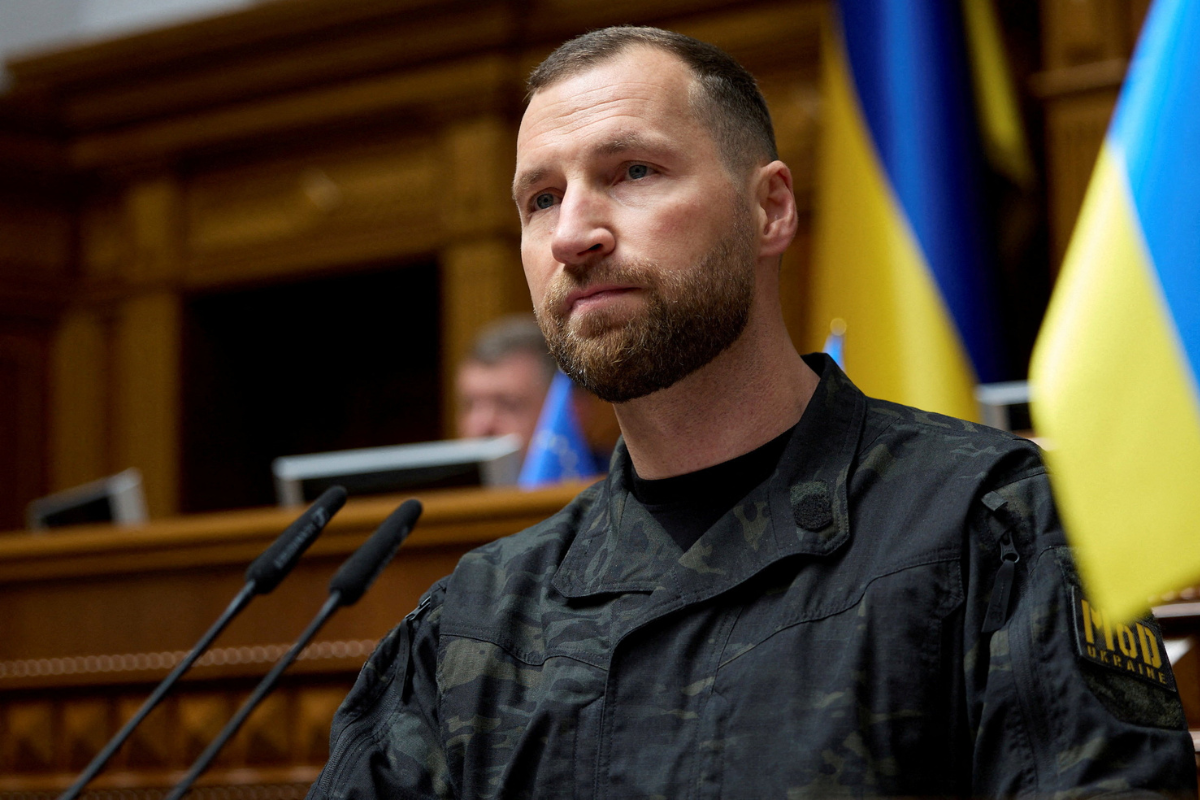 Newly appointed Ukrainian Defense Minister Evheniy Khmara attends a session of the Ukrainian parliament, amid Russia’s attack on Ukraine, in Kyiv, Ukraine, on Aug. 19, 2026. (Stringer/Reuters)
“Nations must dig deeper,” Rutte said, according to a NATO statement. “We do not have a choice, I believe.”
Russia Resumes Strikes
The Ministry of Defense of Ukraine said that while Russia has failed to achieve strategic success on the battlefield, it is compensating for these failures through “terror against Ukrainians”—alluding to Russian forces’ missile and drone attacks on major cities, including Kyiv.
On Tuesday, Russia resumed its drone and missile attacks on the capital, after both sides had paused strikes for the visit of U.S. peace negotiators over the weekend.
Kyiv’s mayor, Vitali Klitschko, said that five people were killed in the overnight attack on Sept. 8.
The attack caused fires in several districts across Kyiv, damaging at least 14 high-rise buildings as well as a school, warehouses, a clinic, and other sites, according to officials.
The Russian Defense Ministry said it hit military and logistics targets in Kyiv and the surrounding region, as well as targets in the Black Sea port of Chornomorsk.
Both sides have denied targeting civilians.
Reuters contributed to this report.
 Friends Read Free
Copy
Facebook
Tweet
Friends Read Free
Copy
Facebook
Tweet