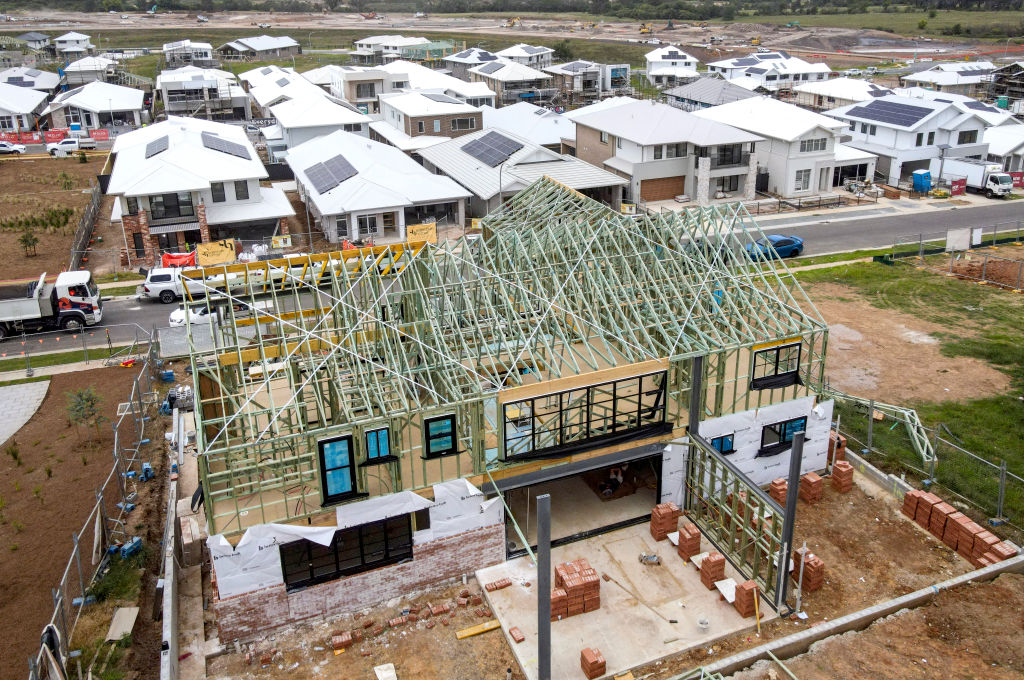

The Labor federal government has announced a $72.5 million (US$52.25 million) spending package to fast-track zoning and planning reforms in New South Wales (NSW).
The funding, known as the productivity package, will be delivered through the National Productivity Fund and paid to the NSW government once key reforms are implemented.
Out of the total amount, $67.5 million will be used to change planning and zoning rules to make approvals faster and simpler.
Zoning rules will also be relaxed with more businesses be allowed to operate without needing special permits. In addition, opening businesses in employment zones and mixed-use areas will be made easier.
The federal government also plans to extend operating hours in industrial and employment zones, and set up new planning authorities to act as a single contact point to help speed up big projects.
The government expects these steps will remove bottlenecks and move projects into construction faster to meet its target of 377,000 new homes by 2029.
The NSW government will also receive an additional $5 million to implement the National Competition Principles, a set of guidelines designed to promote fair competition, reduce unnecessary regulatory barriers, and boost productivity across the economy.
The $72.5 million spending is part of a larger $900 million National Productivity Fund, established to encourage states and territories to make changes that improve productivity and competition.
The announcement comes as new data shows housing is becoming less affordable across NSW, including in regional areas.
According to recent research by Primara Research and Airteam, reported by property website realestate.com.au, six of NSW’s ten most unaffordable housing markets are now in regional areas, up from just one in 2019.
Of those, five are now considered “impossibly unaffordable,” with median house prices more than nine times the average household income.
Coffs Harbour and Grafton recorded the largest increase, rising from 27th place in 2019 to become the third most unaffordable market in NSW.
 Friends Read Free
Copy
Facebook
Tweet
Friends Read Free
Copy
Facebook
Tweet