
The federal government has launched a new 10-year strategy aimed at reducing family, domestic and sexual violence affecting Indigenous women and children.
It will be backed by $218.3 million ($155 million) in funding over four years.
The plan, titled, Our Ways–Strong Ways–Our Voices: National Aboriginal and Torres Strait Islander Plan to End Family, Domestic and Sexual Violence 2026–2036, was developed with the collaboration of Indigenous communities and states and territory governments.
A key early commitment is the creation of a national network of up to 40 Aboriginal Community Controlled Organisations (ACCOs) to deliver specialist, community-led support services for women and families experiencing violence.
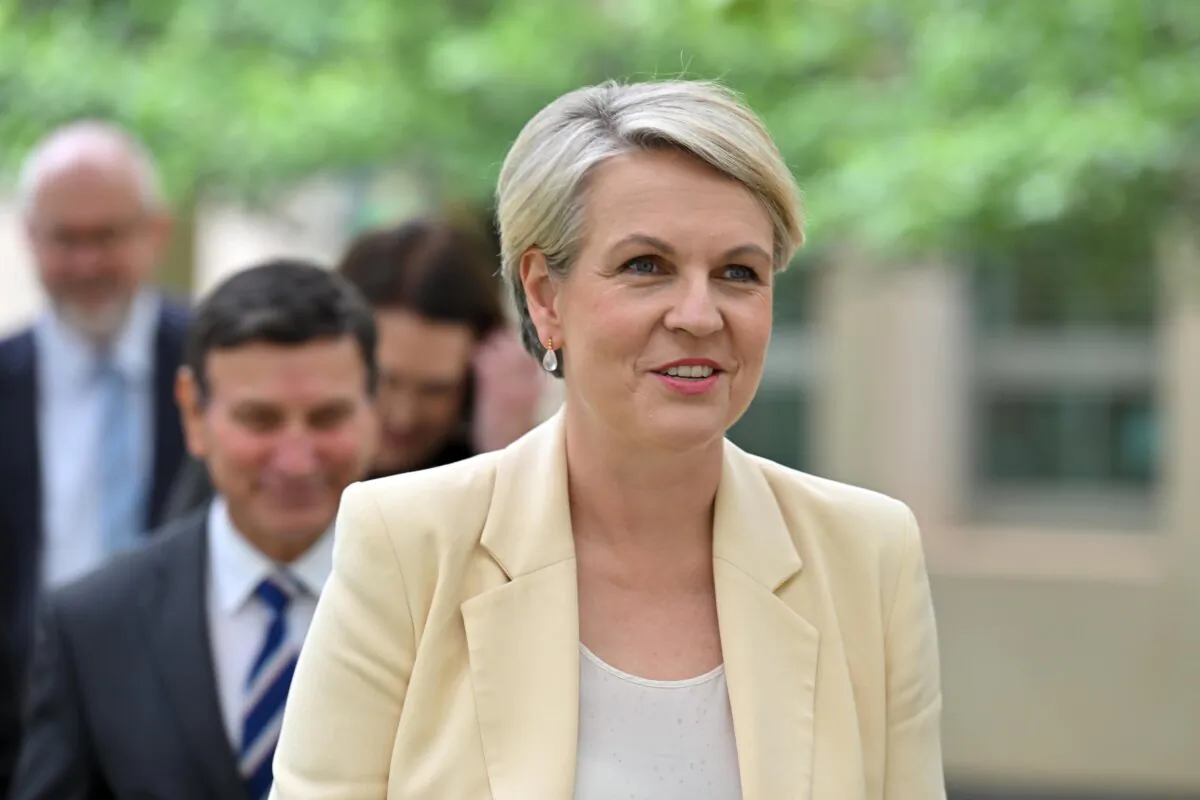
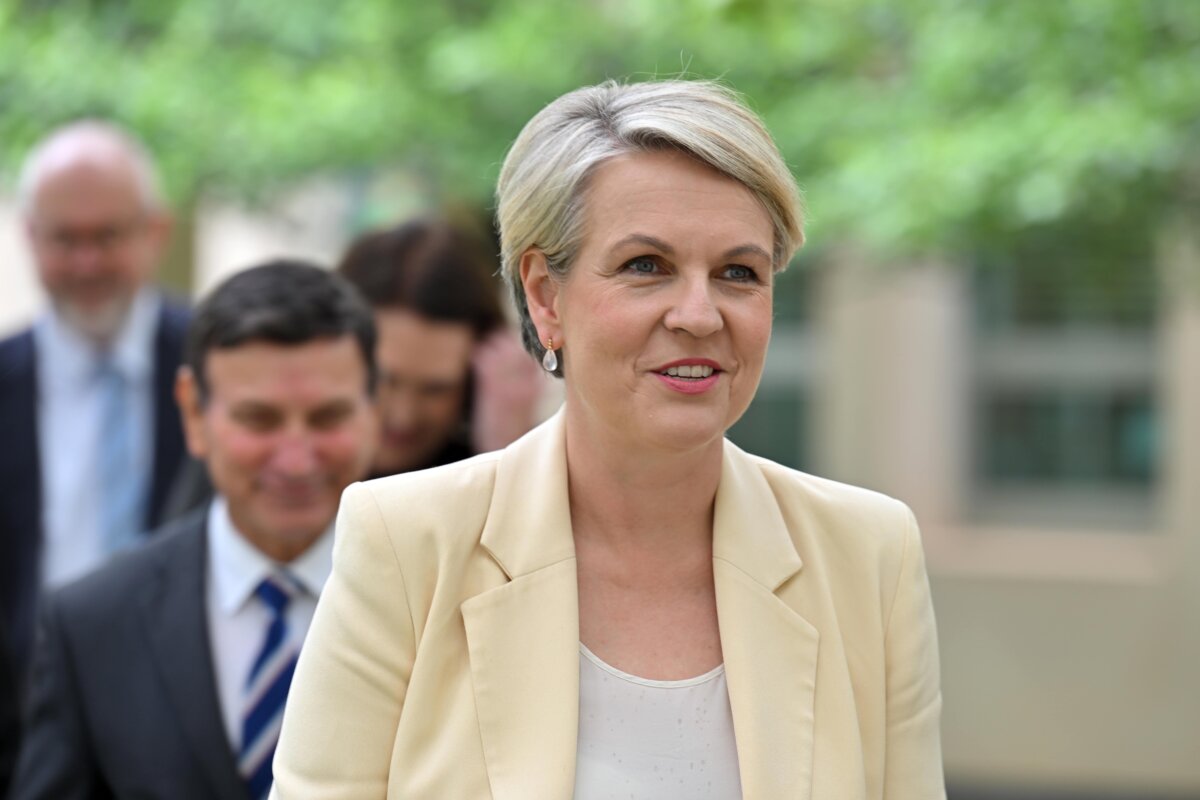
Releasing the plan on Feb. 10, Social Services Minister Tanya Plibersek said the funding would support crisis response, safe transport, emergency accommodation, safety planning, therapeutic supports, and outreach programs focused on behaviour change for Indigenous males.
In addition, the Labor government will extend the Leaving Violence Program Regional Trials until 2027, maintaining access to support packages of up to $5,000, and culturally safe services for Indigenous women.
Plibersek touted the plan as “historic,” saying it would address the unique needs and barriers of Indigenous women.
“This plan is our shared commitment to work together to make sure all communities, from Redfern to Alice Springs, are safe and strong,” she said in a statement.
Her comment was echoed by Indigenous Minister Malarndirri McCarthy, who said the measure would help end gender-based violence and improve lives.
Risk of Indigenous Violence Remains High
According to the government, Aboriginal and Torres Strait Islander women are disproportionately affected by serious violence.
Specifically, they are seven times more likely to be victims of intimate partner homicide, and 27 times more likely than non-Indigenous women to be hospitalised due to family violence, with the rate increasing to 41 times in regional and very remote areas.
Other national surveys also show that the scale of violence remains high.
An October 2025 study by the Australian Institute of Health and Welfare, drawing on the National Aboriginal and Torres Strait Islander Health Survey (NATSIHS) 2018–19, found an estimated 30,900 Indigenous people aged 15 and over experienced physical harm in the previous 12 months.
Of those, two in three (67 percent) said the perpetrator was a family member—including a current or former partner or another relative. More than half of those harmed (57 percent) were women.
Meanwhile, the Australian Bureau of Statistics’ most recent crime data revealed that there were 9,538 Indigenous assault victims in Queensland, 8,405 victims in New South Wales, and 3,964 victims in South Australia.
Across those jurisdictions, most Aboriginal victims of assault were female, and knew the offenders. In addition, family and domestic violence-related incidents accounted for the majority of assaults.
 Friends Read Free
Copy
Facebook
Tweet
Friends Read Free
Copy
Facebook
Tweet